If you have been diagnosed with HPV or you want to reduce your risk of complications from it, what you eat can make a real difference. Although there is no single food that “cures” HPV. But a growing body of research shows that a strong immune system is your body’s primary weapon for clearing HPV infections naturally, and the right diet is one of the most powerful ways to build and maintain that immunity.
Most HPV infections clear on their own within 1-2 years. Whether yours does and how quickly depends significantly on how well your immune system is functioning. According to the World Health Organization, persistent HPV infection (when the virus does not clear) is what leads to cervical cancer. That makes immune support through nutrition not just helpful, but genuinely important.
How Food Helps Your Body Deal With HPV
Your immune system fights HPV in three main ways:
- Immune cell activity: white blood cells (especially T-cells and natural killer cells) identify and attack HPV-infected cells. Certain nutrients directly support these cells.
- Antioxidant protection: HPV causes oxidative stress in cervical cells. Antioxidants from food neutralise this damage and reduce the risk of abnormal cell changes progressing.
- Folate and DNA repair: folate (vitamin B9) plays a key role in maintaining healthy cervical cells. Low folate levels are consistently linked to higher risk of HPV persistence and cervical dysplasia in studies.
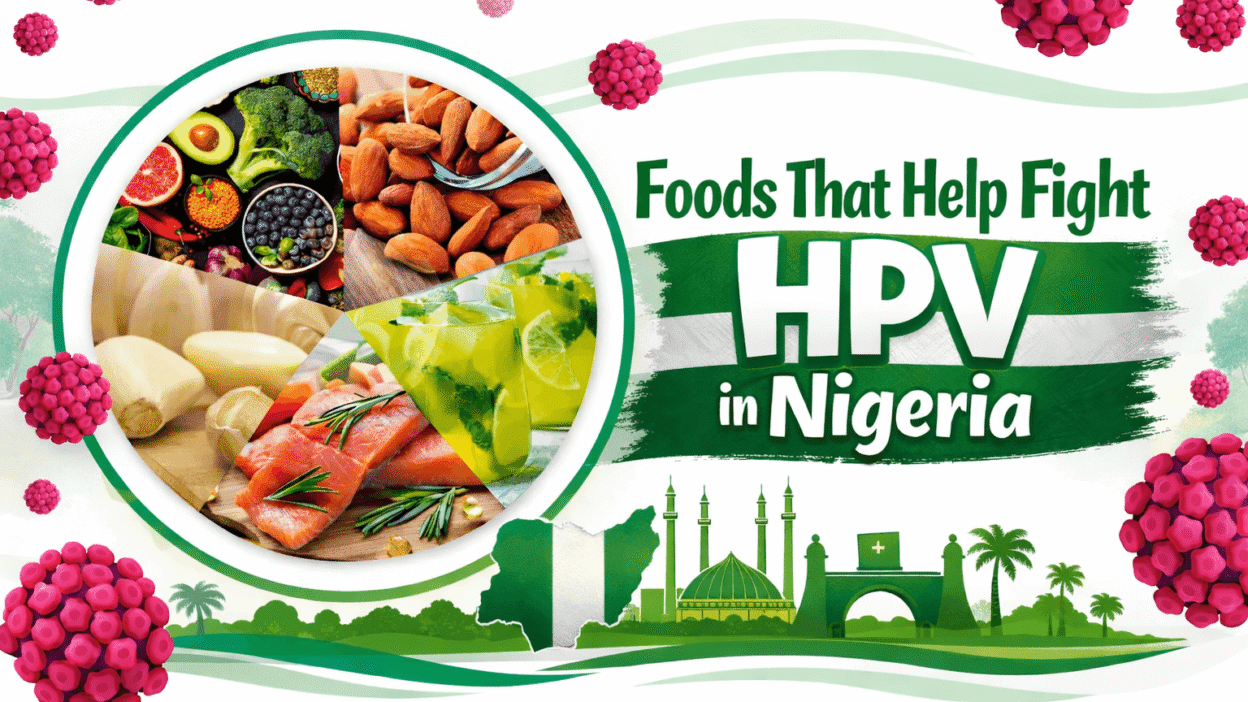
The foods below work through one or more of these pathways. They are also largely affordable and accessible across Nigeria.
The 7 Best Foods to Support Your Body Against HPV
1) Dark Leafy Greens (Ugu, Bitter Leaf, Spinach, Waterleaf)
Why they help: Dark greens are among the richest sources of folate (vitamin B9), which is critical for healthy cervical cell maintenance and DNA repair. Studies consistently show that women with low folate levels have a higher risk of HPV persistence and progression to cervical dysplasia. Leafy greens are also rich in antioxidants including vitamins C, E, and beta-carotene.
Nigeria tip: You are already cooking with some of the best HPV-fighting vegetables in the world. Ugu (fluted pumpkin leaf), bitter leaf, waterleaf, and spinach are all outstanding sources of folate and antioxidants. Add them generously to soups, stews, and egg dishes. Aim for at least 1-2 cups daily.
2) Citrus Fruits and Bell Peppers (Oranges, Tangerines, Tatashe)
Why they help: Vitamin C is one of the most studied nutrients in relation to HPV. It is a powerful antioxidant that protects cervical cells from oxidative damage and also strengthens white blood cell activity. Research published in journals including Nutrition and Cancer has found associations between higher vitamin C intake and reduced risk of HPV persistence and cervical cancer risk.
Nigeria tip: Oranges, tangerines, and pineapple are affordable and widely available year-round. Tatashe (red bell pepper) is actually one of the highest food sources of vitamin C even higher than citrus and it is already a staple in Nigerian cooking. Use it generously in stews, soups, and rice dishes.
3) Carrots, Sweet Potatoes, and Yellow Vegetables
Why they help: These foods are rich in beta-carotene, which the body converts into vitamin A. Vitamin A is essential for maintaining the health of mucosal surfaces including the cervical lining. Low vitamin A levels are linked to impaired immune response and higher susceptibility to HPV-related cell changes. The National Institutes of Health (NIH) notes vitamin A’s critical role in immune function and cellular integrity.
Nigeria tip: Sweet potatoes (dundun), carrots, yellow corn, and red palm oil (in moderate amounts) are all excellent local sources of beta-carotene and vitamin A. Roasted or boiled sweet potato makes a great snack or meal addition.
4) Garlic and Onions
Why they help: Garlic contains allicin and organosulfur compounds that have demonstrated antiviral and immune-boosting properties in research. Garlic has been shown to stimulate natural killer cell activity, exactly the immune cells that help clear viral infections. Onions contain quercetin, a powerful antioxidant flavonoid that also has anti-inflammatory and antiviral effects.
Nigeria tip: The great news is that garlic and onions are already at the heart of Nigerian cooking. Using them fresh (rather than garlic powder) gives you the most benefit. Crush or chop fresh garlic and let it sit for 5-10 minutes before cooking to activate the allicin. Add raw onions to salads and fresh pepper sauces where possible.
5) Mushrooms and Zinc-Rich Foods (Seafood, Pumpkin Seeds, Beans)
Why they help: Zinc is one of the most important minerals for immune function. It is needed for the development and activation of T-lymphocytes, the white blood cells that identify and attack virus-infected cells. Zinc deficiency is linked to impaired immune response and slower viral clearance. Mushrooms also contain beta-glucans, compounds that directly stimulate immune cell activity.
Nigeria tip: Dried crayfish, shellfish (periwinkle, snails), pumpkin seeds (egusi), beans, and lean red meat are all solid zinc sources available in Nigerian markets. Egusi soup, when made with leafy greens, becomes a genuinely powerful immune-support meal.
6) Fatty Fish and Eggs (Mackerel, Sardines, Tilapia)
Why they help: Fatty fish provide omega-3 fatty acids that reduce chronic inflammation; an environment that allows HPV to persist and cause more damage. Eggs are an excellent source of vitamin D, which plays a major role in immune regulation. Low vitamin D levels are linked to higher risk of HPV-related complications and reduced viral clearance. Many Nigerians are vitamin D deficient due to indoor lifestyles despite living in a sunny country.
Nigeria tip: Small oily fish (sardine/sardinella, titus/mackerel), tilapia, and catfish are affordable and accessible. Grill or bake rather than deep-fry to preserve nutrients. Include eggs regularly — boiled, scrambled, or added to stews.
7) Fermented Foods and Probiotics (Ogi, Kunu, Yoghurt)
Why they help: A healthy gut microbiome is increasingly recognized as a key regulator of immune function. Emerging research suggests that gut health may influence how effectively the immune system clears HPV. Fermented foods feed beneficial gut bacteria that support immune signaling and reduce inflammation throughout the body. According to Harvard Medical School, gut health and immune health are deeply interconnected.
Nigeria tip: Ogi (pap/akamu), kunu, iru (locust beans), and plain unsweetened yoghurt are excellent probiotic-rich options. Avoid sweetened yoghurt drinks as the sugar content undermines the benefit. Plain Greek yoghurt or locally fermented pap made without excessive sugar is ideal.
Foods to Reduce or Avoid
Just as important as what you eat is what you limit. Certain foods actively suppress the immune system or worsen HPV-related inflammation:
- Refined sugar and sugary drinks: suppress white blood cell activity for hours after consumption and feed inflammation
- Processed and packaged foods: high in trans fats and additives that promote chronic inflammation
- Alcohol: even moderate alcohol consumption impairs immune cell function and is linked to higher HPV persistence risk
- Excessive fried foods: the oxidative stress from fried oils counteracts antioxidant defenses
- Smoking (not food, but critical): cigarette smoking is one of the strongest lifestyle factors linked to HPV persistence and progression to cervical cancer. If you smoke, stopping is one of the most powerful things you can do.
A Sample Day of HPV-Fighting Eating (Nigeria Edition)
Breakfast: Oats or ogi (pap) with no added sugar + a boiled egg + a glass of fresh orange juice (whole orange preferred)
Lunch: Brown rice or millet + egusi soup with ugu leaves + grilled mackerel or tilapia
Snack: A handful of pumpkin seeds (egusi) or groundnuts + a tangerine or mango
Dinner: Beans (ewa agoyin style without excess palm oil) + vegetable stew loaded with tatashe, tomatoes, spinach, garlic, and onions.
Practical Plate Tips
- Colour your plate: the more colourful your vegetables, the wider the range of antioxidants and immune-boosting compounds you are getting
- Eat whole fruit, not juice: fruit juice spikes blood sugar and loses the fibre that slows glucose absorption
- Pair iron-rich foods with vitamin C: eating beans or leafy greens with tomato or citrus improves iron absorption significantly
- Cook with fresh garlic and onions daily: they are cheap, available everywhere, and genuinely beneficial
- Limit ultra-processed snacks: replace biscuits, chin-chin, and sweet drinks with nuts, fruit, and water.
Important Caution
Diet supports your immune system, it does not replace medical care. If you have been diagnosed with HPV or have not had cervical cancer screening, please:
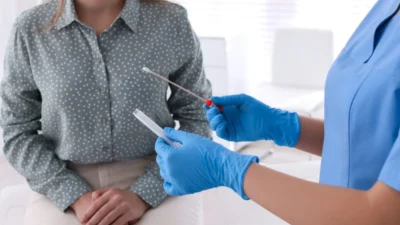
- Get screened: a Pap smear or HPV DNA test detects abnormal cell changes before they become cancer
- Complete your HPV vaccination: if you are eligible (up to age 26, or discuss with your doctor up to age 45)
- Follow up with your clinician: regularly, especially if you have been told you have abnormal cervical cells
At Pretty Healthcare, you can access cervical cancer screening and speak with a clinician about HPV vaccination. Early action is the most powerful protection.
Bottom Line
Seven food groups – dark leafy greens, vitamin C-rich fruits and vegetables, beta-carotene foods, garlic and onions, zinc-rich foods, fatty fish and eggs, and fermented foods consistently support the immune function your body needs to clear HPV and protect your cervical health.
For Nigerians, the most powerful of these foods are already right in your kitchen: ugu, tatashe, garlic, mackerel, egusi, sweet potato, and ogi. Eat them with intention. Combine good nutrition with regular screening and vaccination for the strongest possible protection.