Human Papillomavirus (HPV) is the most common sexually transmitted infection in the world and most people who have it don’t even know. In Nigeria, HPV is directly responsible for the vast majority of cervical cancer cases, making it one of the leading causes of cancer death among Nigerian women.
The good news? It is largely preventable. Understanding HPV is the first step to protecting yourself and the people you love.
What Is HPV?
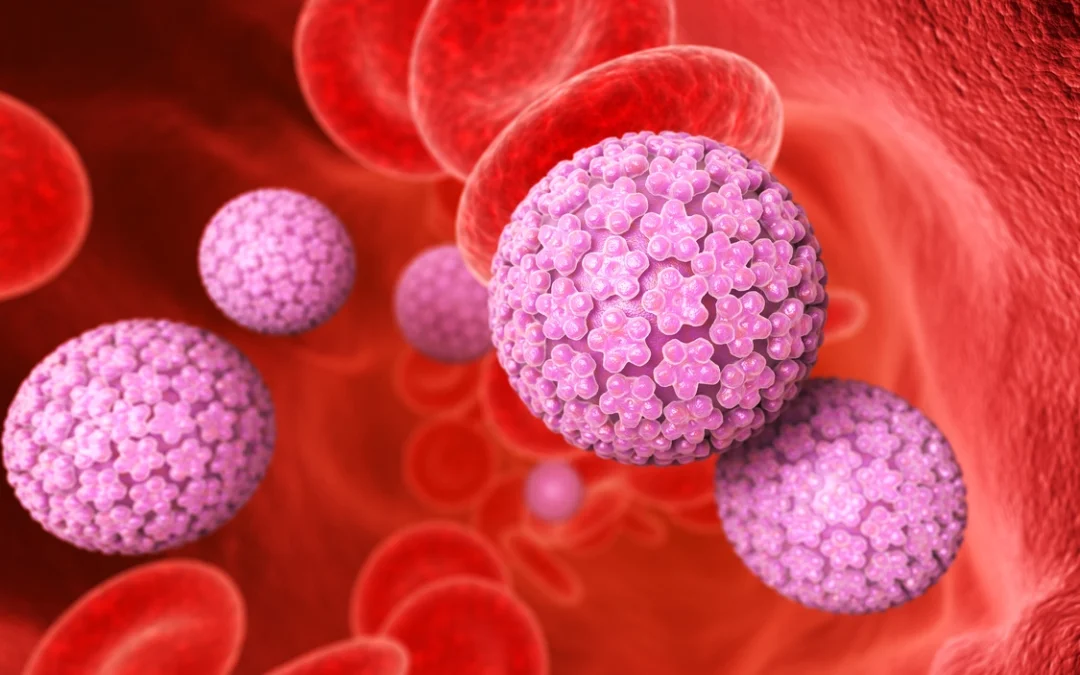
HPV is a group of more than 200 related viruses that spread through skin-to-skin contact, most commonly through sexual activity. Most HPV infections are harmless and clear on their own without treatment. However, certain high-risk strains, particularly HPV 16 and 18 can cause cancer if left undetected and untreated over time.
According to the World Health Organization (WHO), nearly all cases of cervical cancer (99%) are caused by persistent HPV infection. In Nigeria, cervical cancer is the second most common cancer in women, with thousands of new cases diagnosed every year.
How HPV Spreads
HPV spreads primarily through:
- Vaginal, anal, or oral sex with an infected person
- Skin-to-skin genital contact, even without penetrative sex
- From mother to baby during childbirth (less common)
It does not spread through:
- Hugging, sharing food, or toilet seats
- Swimming pools or handshakes
- Casual contact
Because HPV often causes no symptoms, a person can carry and transmit the virus without knowing. This is why regular screening, not just symptom-checking, is so important.
Types of HPV: Low-Risk vs. High-Risk
Not all HPV strains are equally dangerous. There are two main categories:
Low-risk strains (e.g., HPV 6 and 11) cause genital warts – small, flesh-colored bumps around the genitals or anus. These are uncomfortable and can recur, but they do not cause cancer.
High-risk strains (e.g., HPV 16 and 18) cause no immediate symptoms but can quietly cause abnormal cell changes in the cervix, penis, anus, throat, or mouth that, over many years, may develop into cancer.
This is exactly why HPV is so dangerous, the strains that cause the most harm are the ones you cannot feel or see.
Who Is at Risk?
HPV is extremely common. The CDC estimates that almost every sexually active person will get at least one type of HPV at some point in their life. In Nigeria, the risk is compounded by:
- Low awareness of the virus and its link to cancer
- Limited access to regular cervical cancer screening (Pap smears or HPV tests)
- Low vaccination uptake among adolescents
- Cultural barriers that delay medical consultations
You are at higher risk if you:
- Became sexually active at a young age
- Have had multiple sexual partners
- Have a weakened immune system (e.g., due to HIV)
- Have never had an HPV screening test
Signs and Symptoms – What to Look Out For
Most HPV infections produce no symptoms at all. When symptoms do appear, they may include:
- Genital warts: Soft, painless bumps or clusters around the vagina, penis, anus, or upper thighs. These are caused by low-risk HPV strains.
- Abnormal vaginal bleeding: Unusual bleeding between periods, after sex, or after menopause can be an early sign of cervical changes.
- Persistent pelvic pain or pain during sex: May indicate advanced cervical cell changes.
- Changes in urination: Pain or blood in urine can appear in later-stage disease.
Important: Many women with early-stage cervical changes (caused by HPV) feel completely fine. This is why waiting for symptoms before getting screened is dangerous. By the time symptoms appear, the disease may already be advanced.
Diagnosis: How Is HPV Detected?
There is no single blood test that tells you if you have HPV. Instead, it is detected through:
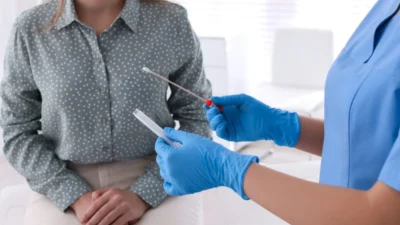
1. Pap Smear (Pap Test) A cervical screening test that checks for abnormal cells in the cervix caused by HPV. Recommended for all women from age 25 (or earlier if sexually active). Done at a clinic by a healthcare provider.
2. HPV DNA Test Tests cervical cells directly for the presence of high-risk HPV strains. More sensitive than a Pap smear alone. Often done together with a Pap smear (co-testing).
3. Visual Inspection with Acetic Acid (VIA) A low-cost, practical screening method widely used across Nigeria’s public health system. A nurse or doctor applies acetic acid (vinegar) to the cervix and looks for abnormal white patches that suggest precancerous changes.
4. Colposcopy and Biopsy If a screening test shows abnormal results, a doctor may use a colposcope (a magnifying device) to closely examine the cervix and take a small tissue sample for testing.
At Pretty Healthcare, cervical cancer screening and HPV-related diagnostics are available. Early detection saves lives, do not wait for symptoms.
Treatment Options
There is no cure for HPV itself, but the conditions it causes are very treatable, especially when caught early.
For genital warts:
- Topical creams (applied by patient or clinician)
- Cryotherapy (freezing the warts off)
- Minor surgical removal
For precancerous cervical changes (CIN):
- LEEP (Loop Electrosurgical Excision Procedure): Removes abnormal tissue using a thin wire loop
- Cryotherapy: Freezes and destroys abnormal cells
- Cone biopsy: Removes a cone-shaped section of the cervix
For cervical cancer: Treatment depends on the stage and includes surgery, radiotherapy, chemotherapy, or a combination. This is why early detection matters, treating precancerous cells is far simpler and more successful than treating cancer.
Prevention: Your Best Weapon Against HPV
1) Get Vaccinated
The HPV vaccine is the single most effective tool for preventing HPV infection. Available vaccines (such as Gardasil 9) protect against the high-risk strains most responsible for cancer. The WHO recommends vaccination for girls aged 9–14 before they become sexually active, as the vaccine works best before any exposure to the virus.
The vaccine is also beneficial for:
- Girls and boys up to age 26
- Adults aged 27-45 who are not yet vaccinated (discuss with your doctor)
Nigeria tip: HPV vaccines are available at Pretty Healthcare’s clinic in Ikeja, Lagos. You can also book a vaccination appointment here.
2) Get Regular Cervical Screenings
Even vaccinated women need regular Pap smears or HPV tests because the vaccine does not protect against all HPV strains. Women aged 25-65 should screen every 3-5 years (or as advised by their clinician).
3) Use Condoms Consistently
Condoms significantly reduce (but do not completely eliminate) the risk of HPV transmission, since the virus can affect areas not covered by a condom.
4) Reduce Number of Sexual Partners
The more partners, the higher the exposure risk. Open, honest conversations with partners about sexual health matter.
5) Quit Smoking
Smoking weakens the immune system’s ability to clear HPV infections and is linked to higher risk of cervical cancer in women with HPV.
Nigeria-Specific Facts You Should Know
- Cervical cancer kills more Nigerian women than almost any other cancer, most of these deaths are preventable.
- HPV vaccination coverage in Nigeria remains low compared to many other countries, largely due to lack of awareness and access.
- Many Nigerian women never receive a Pap smear in their lifetime, meaning precancerous changes go undetected for years.
- The Nigerian government has begun expanding HPV vaccination through school-based programs, but private clinic access remains critical to reaching more people.
When to See a Clinician
See a healthcare provider if you:
- Have never had a cervical cancer screening and are aged 25 or older (or sexually active)
- Notice unusual bumps, warts, or sores around your genitals
- Experience abnormal vaginal bleeding between periods, after sex, or after menopause
- Have a new or recent HIV diagnosis (you need HPV screening sooner)
- Want to discuss the HPV vaccine for yourself or your child
Quick Summary
| FAQ | Answer |
| What is HPV? | A common virus spread through sexual contact |
| Who is at risk? | Anyone who is or has been sexually active |
| Does it cause symptoms? | Usually none – silent infection |
| Most serious complication? | Cervical cancer (and other cancers) |
| How to detect it? | Pap smear, HPV DNA test, or VIA |
| How to prevent it? | Vaccine + regular screening + condoms |
| Is there a cure? | No cure for HPV, but conditions it causes are treatable |
Bottom Line
HPV is common, silent, and preventable. The combination of vaccination ideally before sexual debut and regular cervical cancer screening is the most powerful protection available. In Nigeria, where cervical cancer claims far too many lives that could be saved, awareness and action are everything. Do not wait for symptoms. Get screened. Get vaccinated. And talk to your family about it.
Ready to take action? Book your HPV vaccine or cervical cancer screening at Pretty Healthcare, Ikeja Lagos – prettyhealthcare.com.ng or chat with us on WhatsApp.