Most Nigerians have never had their cholesterol checked. Of those who have, many do not fully understand what the numbers mean or why they matter. Yet high cholesterol is one of the most significant and most silent risk factors for heart attack and stroke, two of the leading causes of premature death in Nigeria.
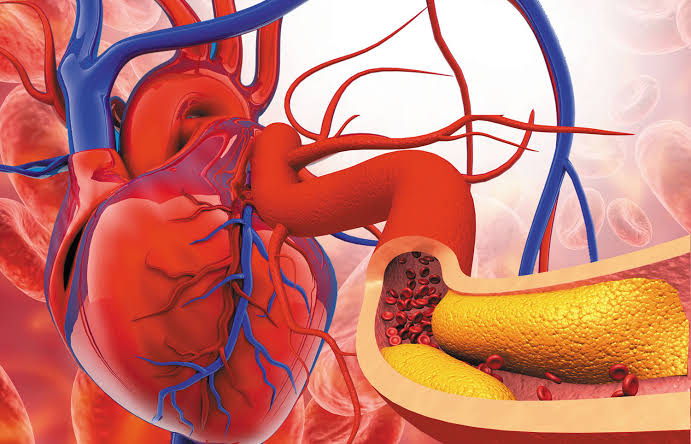
Cholesterol does not cause pain. It does not cause obvious symptoms. It builds up quietly in blood vessel walls over years and decades, narrowing arteries and setting the stage for cardiovascular catastrophe. By the time most people find out their cholesterol is high, significant damage may already have been done.
This article explains exactly what cholesterol is, what your numbers mean, how diet and lifestyle affect it, and what to do about it in the Nigerian context.
What Is Cholesterol?
Cholesterol is a waxy, fat-like substance found in every cell of the body. It is essential for life; the body uses it to build cell membranes, produce hormones (including oestrogen and testosterone), make vitamin D, and produce bile acids that aid digestion.
The body produces all the cholesterol it needs primarily in the liver. Additional cholesterol enters the body through food, particularly animal products like meat, eggs, and dairy.
Cholesterol is transported through the bloodstream in packages called lipoproteins particles made of fat and protein. The type of lipoprotein carrying the cholesterol is what determines whether it is beneficial or harmful.
The Different Types of Cholesterol
LDL Cholesterol – “Bad” Cholesterol
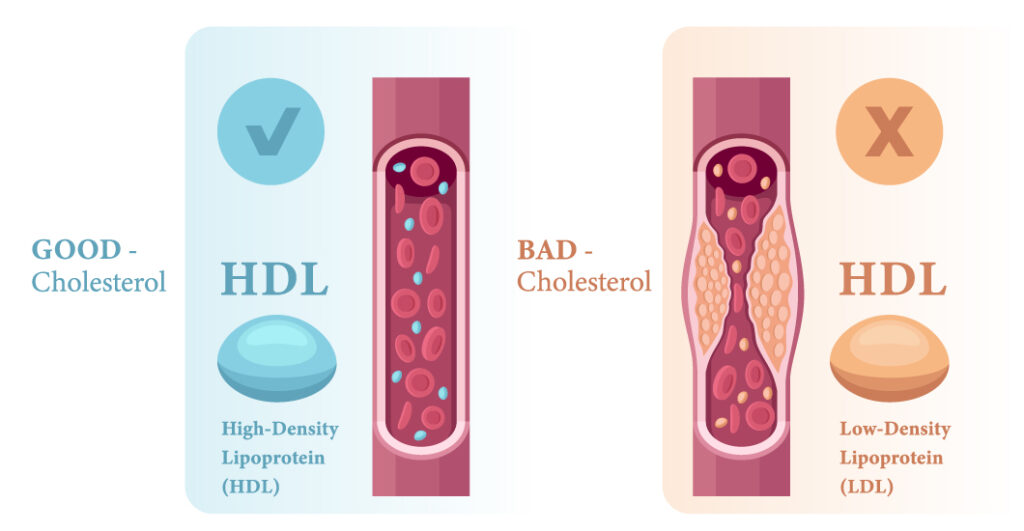
Low-Density Lipoprotein (LDL) carries cholesterol from the liver to cells throughout the body. When there is too much LDL in the bloodstream, excess cholesterol deposits in the walls of arteries, forming plaques. These plaques narrow arteries (atherosclerosis), restrict blood flow, and can rupture, triggering a blood clot that causes a heart attack or stroke.
The lower your LDL, the better; especially if you have other risk factors.
HDL Cholesterol – “Good” Cholesterol
High-Density Lipoprotein (HDL) acts as a scavenger; it picks up excess cholesterol from the bloodstream and artery walls and carries it back to the liver for disposal. Higher HDL levels are associated with lower cardiovascular risk.
The higher your HDL, the better.
Triglycerides
Triglycerides are a type of fat in the blood, not technically cholesterol, but measured alongside it in a lipid profile. They come from excess calories, refined carbohydrates, sugar, and alcohol. High triglycerides combined with low HDL and high LDL significantly increase cardiovascular risk.
Total Cholesterol
The sum of all cholesterol types in the blood. A useful initial screening number, but less informative than the individual components.
Understanding Your Cholesterol Numbers
Cholesterol is measured in millimoles per litre (mmol/L) in Nigeria and most of the world. Here is how to interpret your results:
Total Cholesterol
| Level | Interpretation |
| Below 5.0 mmol/L | Desirable |
| 5.0 – 6.1 mmol/L | Borderline high |
| Above 6.2 mmol/L | High – action needed |
LDL Cholesterol
| Level | Interpretation |
| Below 2.6 mmol/L | Optimal |
| 2.6 – 3.3 mmol/L | Near optimal |
| 3.4 – 4.1 mmol/L | Borderline high |
| 4.1 – 4.9 mmol/L | High |
| Above 4.9 mmol/L | Very high |
Note: Target LDL levels differ based on individual risk. Someone who has already had a heart attack or stroke may need LDL below 1.8 mmol/L. Discuss your personal target with your doctor.
HDL Cholesterol
| Level | Interpretation |
| Below 1.0 mmol/L (men) / 1.3 mmol/L (women) | Low – increased risk |
| 1.0 – 1.5 mmol/L | Acceptable |
| Above 1.5 mmol/L | Protective – desirable |
Triglycerides
| Level | Interpretation |
| Below 1.7 mmol/L | Normal |
| 1.7 – 2.2 mmol/L | Borderline high |
| 2.3 – 5.6 mmol/L | High |
| Above 5.6 mmol/L | Very high – risk of pancreatitis |
What Causes High Cholesterol in Nigerians?
Diet
The Nigerian diet has significant cholesterol-raising potential when certain foods dominate:
- Red meat (beef, goat, offal): high in saturated fat which raises LDL
- Palm oil: very high in saturated fat; one of the most significant dietary cholesterol-raising factors in the Nigerian diet
- Fried foods: frying in reused oil generates trans fats which both raise LDL and lower HDL
- Processed and packaged foods: often loaded with trans fats and refined carbohydrates
- Excess refined carbohydrates and sugar: raise triglycerides significantly
- Alcohol: raises triglycerides
Physical Inactivity
A sedentary lifestyle lowers HDL (good cholesterol) and raises LDL and triglycerides. Regular physical activity is one of the most effective ways to improve cholesterol levels.
Obesity
Excess body weight particularly abdominal obesity (belly fat) raises LDL and triglycerides and lowers HDL. Abdominal obesity is increasingly common in Nigerian urban populations.
Genetics (Familial Hypercholesterolaemia)
Some people inherit genes that cause very high LDL cholesterol regardless of diet. Familial hypercholesterolaemia (FH) affects approximately 1 in 250 people globally and causes LDL levels so high that heart attacks can occur as young as the 30s or 40s. It is underdiagnosed in Nigeria. If a close family member had a heart attack before age 55 (men) or 65 (women), ask your doctor about screening for FH.
Diabetes and Insulin Resistance
Type 2 diabetes and prediabetes typically produce a characteristic lipid pattern – high triglycerides, low HDL, and small, dense LDL particles that are particularly atherogenic (artery-clogging).
Thyroid Disease
An underactive thyroid (hypothyroidism) raises LDL significantly. Thyroid function should be checked in anyone with unexplained high cholesterol.
Kidney Disease
Chronic kidney disease causes a lipid profile similar to diabetes, high triglycerides and low HDL.
Medications
Some medications raise cholesterol or triglycerides including certain blood pressure medications, steroids, and antiretroviral drugs used in HIV treatment.
Symptoms of High Cholesterol – There Are Almost None
This is what makes high cholesterol so dangerous. In the vast majority of people, high cholesterol causes no symptoms whatsoever until a cardiovascular event occurs; a heart attack, stroke, or peripheral artery disease.
The rare exceptions:
- Xanthomas: yellowish fatty deposits under the skin, typically around the eyes (xanthelasma), on tendons, or on the elbows. These suggest very high cholesterol, often familial.
- Corneal arcus: a grey or white arc around the iris of the eye, sometimes seen in younger people with familial hypercholesterolaemia.
For everyone else, the only way to know your cholesterol is high is to test it. This is why routine lipid profile testing is so important.
Who Should Get Tested and How Often?
Everyone aged 20 and above should have a baseline lipid profile. After that:
| Risk Level | Frequency |
| Low risk, normal results | Every 5 years |
| Borderline results | Every 1-2 years |
| High risk (diabetes, hypertension, family history, obesity) | Every year or as directed by doctor |
| Already on cholesterol-lowering medication | Every 3-6 months to monitor treatment response |
Get tested regardless of how healthy you feel. High cholesterol has no symptoms. Testing is the only way to know.
At Pretty Healthcare, a full lipid profile (total cholesterol, LDL, HDL, triglycerides) is available. Walk in or book an appointment.
How to Lower Your Cholesterol: Diet and Lifestyle
For many people, lifestyle changes alone can significantly improve cholesterol levels without medication.
Reduce Saturated and Trans Fats
- Reduce palm oil use: switch to smaller quantities of healthier oils like groundnut oil or olive oil
- Limit red meat and offal: choose leaner proteins like fish, chicken (without skin), beans, and tofu
- Avoid fried foods: especially those fried in reused or hydrogenated oil
- Read labels on packaged foods; avoid products listing “partially hydrogenated oils” (trans fats)
Eat More of These
- Oily fish: mackerel (titus), sardines, and salmon raise HDL and reduce triglycerides
- Soluble fibre: oats, beans, lentils, and fruits like apples and pears bind cholesterol in the gut and reduce LDL absorption. A bowl of oats daily has a measurable LDL-lowering effect.
- Nuts: groundnuts, walnuts, and almonds in moderate quantities raise HDL and lower LDL
- Vegetables and fruits: rich in antioxidants and fibre; eat a wide variety daily
- Avocado: rich in monounsaturated fat that lowers LDL without lowering HDL
Exercise Regularly
30 minutes of moderate aerobic exercise (brisk walking, swimming, cycling) 5 days a week raises HDL and lowers triglycerides. Even modest increases in physical activity produce measurable cholesterol improvement.
Lose Excess Weight
Even a 5-10% reduction in body weight significantly improves all components of the lipid profile.
Quit Smoking
Smoking lowers HDL cholesterol. Quitting raises it; measurable improvement begins within weeks.
Limit Alcohol
Alcohol raises triglycerides significantly. Reduce or eliminate alcohol consumption.
Control Blood Sugar
In people with diabetes or prediabetes, improving blood sugar control improves the lipid profile. See our blood sugar article for practical food guidance.
When Medication Is Needed
Lifestyle changes are the foundation but some people need medication as well, particularly:
- Those with very high LDL that does not respond adequately to lifestyle changes
- Those with familial hypercholesterolaemia
- Those who have already had a heart attack, stroke, or have established cardiovascular disease
- Those with diabetes plus additional risk factors
- Those at high calculated cardiovascular risk based on overall risk assessment
Statins (atorvastatin, rosuvastatin, simvastatin) are the most widely used and extensively studied cholesterol-lowering medications. They are generally safe, effective, and now available affordably in Nigeria. Other classes include ezetimibe and for very high-risk patients; PCSK9 inhibitors.
The decision to start medication should be made with your doctor based on your full cardiovascular risk profile not just the cholesterol number alone.
Nigeria-Specific Context
- Cardiovascular disease including heart attack and stroke is a leading cause of death in Nigeria, and rising. High cholesterol is a major driver.
- Lipid profile testing is underutilised in Nigeria most people only test during a health scare, not as routine prevention
- The shift toward more processed foods, fast food, and sedentary urban lifestyles is driving rising cholesterol levels in Nigerian cities
- Coconut oil and palm oil heavily used in Nigerian cooking are among the highest sources of saturated fat. Reducing portion sizes of these oils has a direct impact on cholesterol
- Many Nigerians on statin medication stop taking it once they “feel fine” statins require lifelong use to maintain their benefit
Quick Summary
| What is cholesterol? | A fat-like substance essential for body function |
| The bad type | LDL – deposits in arteries |
| The good type | HDL – removes cholesterol from arteries |
| Any symptoms? | Almost none – testing is the only way to know |
| Main dietary causes in Nigeria | Palm oil, fried foods, red meat, refined carbs, sugar |
| Best dietary change | Reduce saturated fat, increase fibre and oily fish |
| When is medication needed? | When lifestyle changes are insufficient or risk is high |
| How often do you test? | Every 5 years from age 20; annually if high risk |
Bottom Line
High cholesterol is common, silent, and dangerous; and in Nigeria, it is massively undertested. The combination of a diet high in palm oil and fried foods, increasingly sedentary lifestyles, and low rates of preventive health screening means many Nigerians are walking around with arteries quietly narrowing toward a preventable heart attack or stroke. A simple blood test tells you exactly where you stand. From there, targeted diet changes, exercise, and where needed, medication, can dramatically reduce your risk. Know your numbers. Act on them.
Book a lipid profile test at Pretty Healthcare, Ikeja Lagos – prettyhealthcare.com.ng/diagnostics or chat with our health advisor on WhatsApp. Monday – Friday: 8am – 5pm | Saturday: 9am – 4pm.