“Is it malaria or typhoid?” This is one of the most common questions in Nigerian homes, pharmacies, and clinics. Both infections are extremely common in Nigeria. Both cause fever. Both make you feel terrible. And both are frequently self-diagnosed and self-treated; often incorrectly.
The problem is that malaria and typhoid are two completely different diseases caused by different organisms, requiring different treatments. Treating typhoid with antimalarials does nothing. Treating malaria with antibiotics accomplishes nothing. And treating yourself for one when you actually have the other, or have both simultaneously delays recovery and allows the actual infection to worsen.
This article gives you the clearest possible breakdown of the differences between malaria and typhoid so that you and the people around you stop guessing and start getting the right diagnosis.
What Is Malaria?
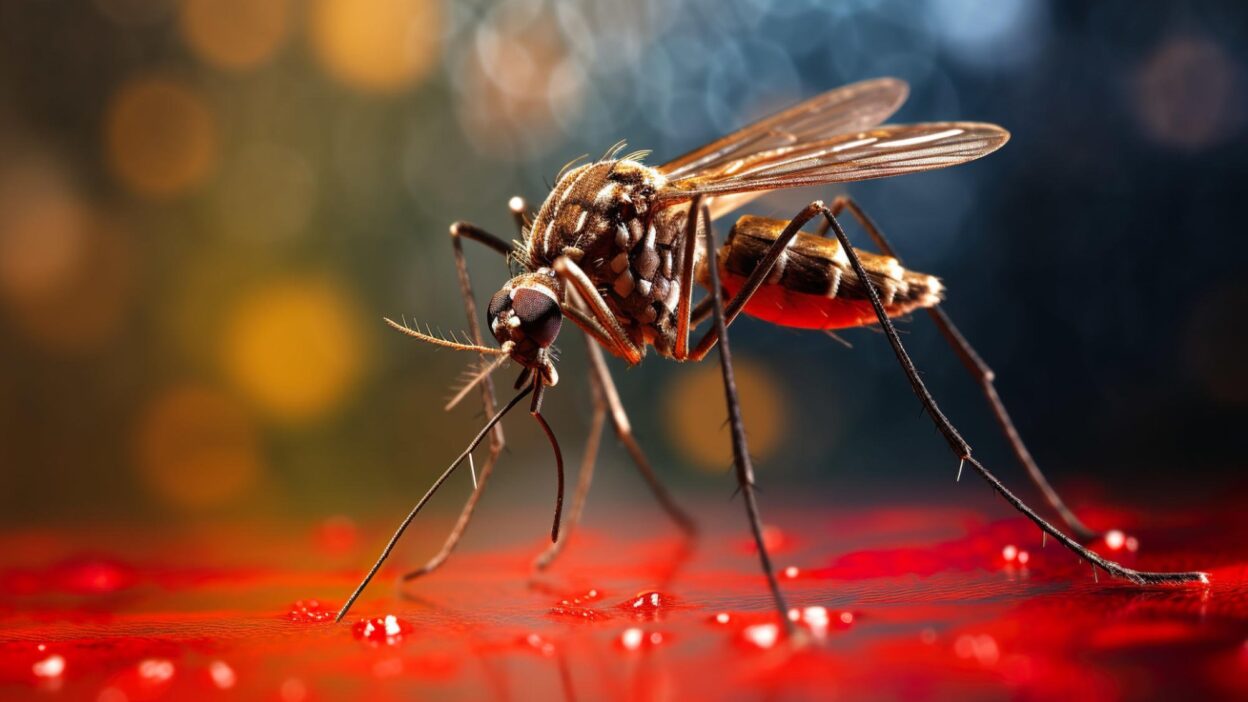
Malaria is a parasitic infection caused by Plasmodium parasites, transmitted to humans through the bite of an infected female Anopheles mosquito. In Nigeria, the most common and most dangerous species is Plasmodium falciparum, responsible for the severe and potentially fatal form of malaria.
Nigeria carries the highest malaria burden in the world, accounting for approximately 27% of global malaria cases. It is a leading cause of death in children under five and a major cause of illness in adults across all age groups.
What Is Typhoid?
Typhoid fever is a bacterial infection caused by Salmonella typhi, spread through contaminated food and water, specifically through the faecal-oral route. This means the bacteria are shed in the stool and urine of infected people and spread when food or water is contaminated with those secretions.
In Nigeria, where access to clean water and food hygiene standards vary widely, typhoid is endemic, meaning it circulates continuously in the population. Street food, contaminated well water, and poor sanitation are significant transmission routes.
How They Spread: A Key Difference
| Malaria | Typhoid | |
| Cause | Plasmodium parasite | Salmonella typhi bacteria |
| How it spreads | Mosquito bite | Contaminated food or water |
| Can person-to-person spread occur? | No (needs mosquito) | Yes (through contaminated food/water handled by infected person) |
| Prevention | Mosquito nets, repellents, antimalarials | Clean water, food hygiene, typhoid vaccine |
Symptoms: How They Compare
This is where most confusion occurs because both diseases cause fever, weakness, and general malaise. Here is a detailed side-by-side comparison:
| Symptom | Malaria | Typhoid |
| Fever pattern | Cyclical – comes in spikes every 48-72 hours, often with shaking chills and drenching sweats | Persistent, gradually rising – described as a “step-ladder” pattern over days |
| Chills and rigors | Very prominent, often severe shaking before fever spikes | Mild to moderate |
| Sweating | Profuse sweating as fever breaks | Mild |
| Headache | Severe, throbbing | Present but usually milder |
| Body aches | Prominent, severe muscle and joint pain | Present but less severe |
| Fatigue | Severe | Severe, often described as profound weakness |
| Nausea and vomiting | Common | Common |
| Abdominal pain | Mild – mainly from enlarged spleen | More prominent – central abdominal pain or cramping |
| Diarrhoea | Occasional | Common in early stages; constipation may follow |
| Cough | Occasional | Dry cough in early stages is common |
| Rash | Rare | “Rose spots” – faint pink spots on the trunk (seen in some cases, easily missed on dark skin) |
| Enlarged spleen | Common – spleen enlarges to filter infected red blood cells | Can occur in prolonged infection |
| Confusion / altered consciousness | In severe malaria, a medical emergency | In severe typhoid (typhoid encephalopathy); a serious complication |
| Onset | Rapid – symptoms appear 7-14 days after mosquito bite, deteriorate quickly | Gradual – symptoms build over 1-3 weeks |
| Duration without treatment | Progresses rapidly; can be fatal within days in severe cases | Progresses over weeks, complications develop if untreated |
The Most Useful Distinguishing Clue
Fever pattern is the most useful clinical differentiator:
- Malaria fever comes and goes in clear cycles, the classic pattern is a cold/shivering phase, followed by a hot/burning fever phase, followed by a sweating phase, then a period of feeling relatively better before the cycle repeats. Many patients can predict when the fever will spike.
- Typhoid fever is more persistent and stepwise, it builds gradually day by day, often reaching its peak in the second or third week of illness. There is no clear cyclical pattern.
Can You Have Both at the Same Time?
Yes and this is very common in Nigeria. Malaria-typhoid co-infection is frequently seen in Nigerian hospitals. Both infections circulate in the same environments, so simultaneous infection is entirely possible. Co-infection tends to cause more severe illness and requires treatment for both conditions simultaneously.
This is another critical reason why self-diagnosis and self-treatment are dangerous; you may be treating one infection and completely missing the other.
Complications If Left Untreated
Malaria Complications
Untreated P. falciparum malaria can rapidly progress to severe malaria, which includes:
- Cerebral malaria: brain involvement causing seizures, coma, and death
- Severe anaemia: destruction of red blood cells
- Respiratory distress
- Kidney failure
- Hypoglycaemia (dangerously low blood sugar)
- Death: particularly in children under five and pregnant women
Severe malaria is a medical emergency. A child or adult with malaria and any sign of confusion, seizures, difficulty breathing, or inability to stand must reach a hospital immediately.
Typhoid Complications
Untreated typhoid in the third or fourth week of illness can cause:
- Intestinal perforation: a hole in the bowel wall. A surgical emergency with high mortality.
- Intestinal bleeding: severe blood loss from the bowel
- Typhoid encephalopathy: brain involvement with confusion and altered consciousness
- Pneumonia
- Myocarditis (heart inflammation)
- Relapse: typhoid can recur even after apparent recovery
Diagnosis: Why Testing Matters
In Nigeria, malaria and typhoid are frequently diagnosed based on symptoms alone or with unreliable tests. This leads to widespread misdiagnosis and inappropriate treatment. Here is what proper testing looks like:
For Malaria
Rapid Diagnostic Test (RDT): A finger-prick blood test that detects malaria antigens within 15-20 minutes. Widely available and reasonably accurate. The most practical first-line test.
Malaria Blood Film (Thick and Thin Film Microscopy): A blood smear examined under a microscope. The gold standard identifies the specific Plasmodium species and quantifies parasite density. More accurate than RDT but requires a laboratory and skilled technician.
Malaria parasite density from microscopy helps determine severity and guides treatment decisions.
For Typhoid
Widal Test: The most commonly used typhoid test in Nigeria but unfortunately one of the least reliable. The Widal test measures antibodies to Salmonella typhi and has very poor specificity in Nigeria because many Nigerians have background antibody levels from prior exposure, causing frequent false positives. A positive Widal test does not reliably confirm active typhoid infection. Despite this, it remains widely used.
Blood Culture: The gold standard for typhoid diagnosis. Blood is grown in a laboratory medium to detect Salmonella typhi bacteria. Highly specific, a positive result definitively confirms typhoid. Requires 48-72 hours for results and a quality laboratory. Unfortunately underused in Nigerian routine practice.
Typhidot / Typhoid IgM/IgG rapid tests: More specific than Widal and increasingly available in Nigerian labs. Detect Salmonella typhi-specific antibodies. A better option than Widal when blood culture is not available.
Stool and Urine Culture: Can also detect Salmonella typhi, particularly in later stages of illness.
At Pretty Healthcare, malaria blood films, RDTs, and typhoid testing including blood culture are available. Getting the right test gives you the right diagnosis and the right treatment.
Treatment
Malaria Treatment
Malaria is treated with artemisinin-based combination therapies (ACTs); the current first-line treatment in Nigeria per the National Malaria Elimination Programme (NMEP) guidelines. Common ACTs include:
- Artemether-lumefantrine (Coartem)
- Artesunate-amodiaquine
- Dihydroartemisinin-piperaquine
Severe malaria requires injectable artesunate in a hospital setting not oral medication.
Do not use chloroquine alone, widespread resistance has made it ineffective against P. falciparum in Nigeria.
Typhoid Treatment
Typhoid is treated with antibiotics, the specific choice depends on local resistance patterns:
- Azithromycin (increasingly preferred for uncomplicated typhoid)
- Fluoroquinolones (ciprofloxacin) though resistance is increasing
- Third-generation cephalosporins (ceftriaxone) for severe typhoid, given intravenously
Treatment typically lasts 7-14 days. Completing the full course is essential, stopping early leads to relapse and antibiotic resistance.
Fever may persist for several days after starting antibiotics; this does not mean the treatment is not working.
Prevention
Preventing Malaria
- Sleep under an insecticide-treated mosquito net (ITN) every night
- Use mosquito repellents: DEET-containing products on exposed skin
- Eliminate standing water around the home, mosquito breeding sites
- Indoor residual spraying where available
- Intermittent preventive treatment for pregnant women (SP/Fansidar) per antenatal guidelines
- Chemoprophylaxis for travellers to high-risk areas
Preventing Typhoid
- Drink clean, safe water: boil or treat water if source is uncertain
- Eat properly cooked food: avoid raw or undercooked foods from uncertain sources
- Wash hands thoroughly before eating and after using the toilet
- Avoid street food from vendors with poor hygiene practices
- Typhoid vaccine: available and recommended, particularly for those at high risk. Available at Pretty Healthcare.
Nigeria-Specific Facts
- Nigeria accounts for the world’s highest malaria burden, approximately 68 million cases annually
- The Widal test, widely used in Nigeria for typhoid diagnosis, has up to 50% false positive rate in endemic areas, meaning many “typhoid” diagnoses are incorrect
- Many Nigerians take antimalarials and typhoid antibiotics simultaneously “just to be safe”, this promotes drug resistance and exposes patients to unnecessary side effects
- Malaria misdiagnosis is a leading cause of preventable death in Nigerian children; fever in a child must be tested, not assumed
- Drug-resistant typhoid strains are an increasing problem in Nigeria, making correct antibiotic selection, guided by culture and sensitivity more important than ever
Quick Comparison Summary
| Malaria | Typhoid | |
| Cause | Parasite (Plasmodium) | Bacteria (Salmonella typhi) |
| Spread | Mosquito bite | Contaminated food/water |
| Fever | Cyclical – comes and goes | Persistent – builds gradually |
| Key symptoms | Chills, sweating, severe headache | Abdominal pain, cough, prolonged fever |
| Best test | Blood film microscopy or RDT | Blood culture; Typhidot |
| Treatment | ACTs (artemisinin combinations) | Antibiotics (azithromycin, ceftriaxone) |
| Prevention | Nets, repellents | Clean water, food hygiene, vaccine |
| Can you have both? | Yes – co-infection is common in Nigeria |
Bottom Line
Malaria and typhoid are two of the most common serious infections in Nigeria and two of the most commonly confused. The cyclical fever of malaria versus the persistent, building fever of typhoid is the most useful clinical clue, but symptoms alone are not enough. The only reliable way to tell them apart is proper laboratory testing, a malaria blood film or RDT for malaria, and a blood culture or Typhidot test for typhoid. Stop guessing, stop self-treating, and stop relying on the Widal test alone. The right test gives you the right diagnosis and the right treatment could save your life.
Book a malaria or typhoid test at Pretty Healthcare, Ikeja Lagos – prettyhealthcare.com.ng/diagnostics or chat with our health advisor on WhatsApp. Monday – Friday: 8am – 5pm | Saturday: 9am – 4pm.