Every year, thousands of Nigerian women are diagnosed with cervical cancer, and the heartbreaking truth is that most of these cases could have been caught and treated early. Cervical cancer is one of the few cancers that is almost entirely preventable when detected in time. The tool that makes early detection possible is cervical cancer screening.
Yet in Nigeria, the majority of women have never had a single cervical screening test in their lifetime. Lack of awareness, cost, fear, and cultural barriers all play a role. This article explains exactly what cervical cancer screening is, who needs it, what to expect, and where to access it, because knowing this information could save your life or the life of someone you love.
What Is Cervical Cancer Screening?
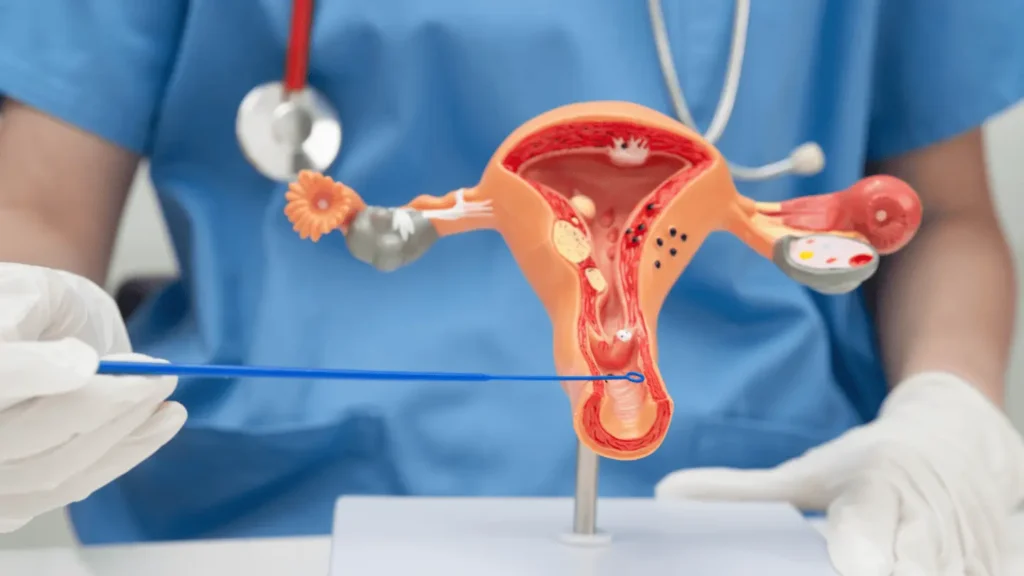
Cervical cancer screening is a routine test that checks the cervix (the lower part of the uterus that connects to the vagina) for early signs of abnormal cell changes that could, over time, develop into cancer.
Here is the key point: Screening helps detect precancerous changes, abnormal cells that are not yet cancer but could become cancer if left untreated. At this precancerous stage, treatment is simple, highly effective, and does not require major surgery or chemotherapy.
This is why screening is so powerful. By the time symptoms like unusual bleeding or pelvic pain appear, the disease may already be at an advanced stage. Screening finds problems before symptoms start.
According to the World Health Organization, cervical cancer can be eliminated as a public health problem if countries achieve high rates of HPV vaccination, cervical screening, and treatment of detected lesions.
Who Should Get Screened and How Often?
All women who are or have ever been sexually active should be screened, regardless of whether they feel fine, have been vaccinated against HPV, or are postmenopausal.
Here are the general guidelines:
| Age Group | Recommendation |
| Under 25 | Screening generally not recommended unless advised by a doctor |
| 25 – 49 | Screen every 3 years (Pap smear) or every 5 years (HPV DNA test) |
| 50 – 64 | Screen every 5 years |
| 65 and above | May stop screening if recent results have been consistently normal; discuss with your doctor |
| HIV-positive women | Screen more frequently like every 1–2 years, starting from diagnosis |
| Women who have never been screened | Get screened immediately, regardless of age |
Important: Even if you have received the HPV vaccine, you still need regular cervical screening. The vaccine protects against the most common high-risk HPV strains, but not all of them.
The Three Main Screening Methods Used in Nigeria
1) Pap Smear (Papanicolaou Test)
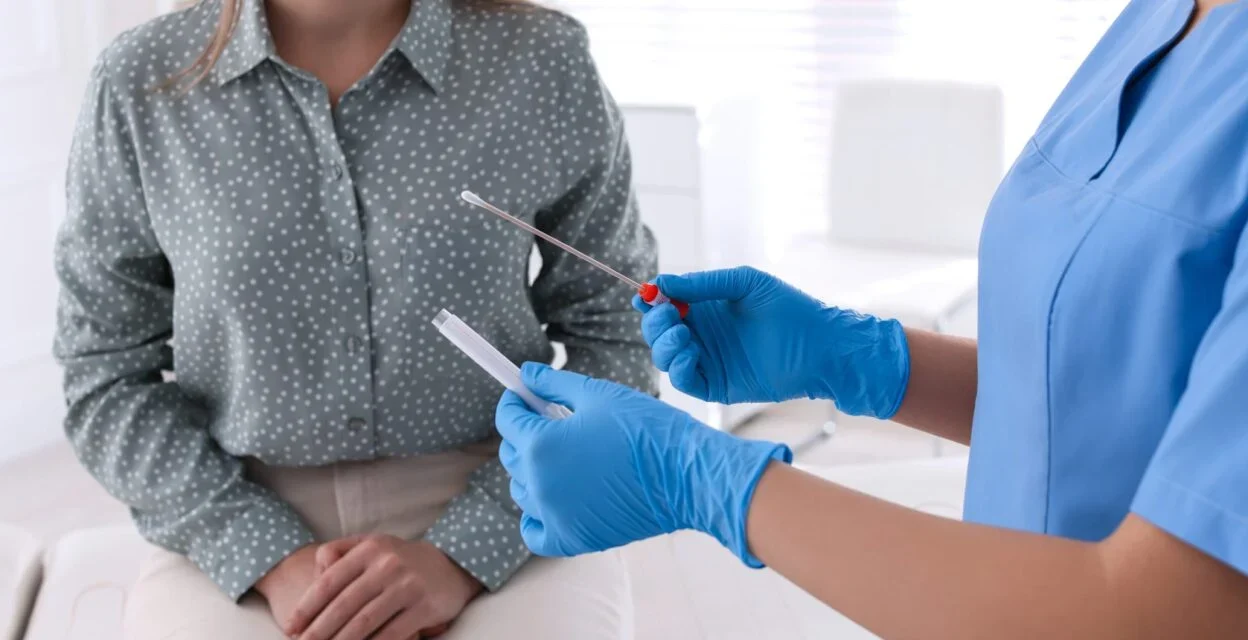
The most widely known cervical screening test. A clinician uses a small brush or spatula to gently collect cells from the surface of the cervix. These cells are sent to a laboratory where they are examined under a microscope for abnormalities.
- Duration: 5-10 minutes
- Discomfort: Mild to none, some women feel light pressure or a brief cramp
- Results: Usually available within a few days to 2 weeks
- What it detects: Abnormal cervical cells (dysplasia) that may be precancerous
2) HPV DNA Test
A more sensitive test that directly detects the presence of high-risk HPV strains (especially HPV 16 and 18) in cervical cells. It can be done alone or combined with a Pap smear – called co-testing for the most thorough screening.
- Duration: Same as a Pap smear, cells are collected the same way
- Advantage: Detects HPV infection even before cell changes are visible
- Best for: Women aged 30 and above, or as a follow-up after an abnormal Pap result
3) Visual Inspection with Acetic Acid (VIA)
A simple, low-cost screening method widely used across Nigeria’s public health system and in community outreach settings. A clinician applies diluted acetic acid (vinegar) to the cervix and examines it with the naked eye under good lighting. Abnormal or precancerous areas turn white, making them immediately visible.
- Duration: 5 minutes
- Advantage: Results are immediate, no waiting for lab reports
- Ideal for: Resource-limited settings, outreach programs, and areas without laboratory access
- Limitation: Less precise than a Pap smear or HPV DNA test; relies on the clinician’s visual judgment
At Pretty Healthcare, Pap smear and HPV-related diagnostics are available. Our team will help you choose the right screening option for your age, health history, and risk level.
What Happens During a Cervical Screening Appointment?
Many women avoid screening because they are not sure what to expect. Here is a simple walkthrough:
Before the appointment:
- Try to schedule it when you are not menstruating (light spotting is usually fine – ask your clinic)
- Avoid vaginal intercourse, douching, or inserting anything into the vagina 48 hours before the test.
- Wear comfortable clothing; you will need to undress from the waist down.
During the procedure:
- You will lie on an examination table with your knees bent (similar to a routine gynaecological exam)
- The clinician gently inserts a speculum, a smooth device that holds the vaginal walls apart so the cervix is visible.
- A small brush or spatula collects a few cells from the cervix. This takes about 30 seconds.
- For VIA, the clinician applies a solution and examines the cervix directly; no samples are sent away.
After the appointment:
- You may have very light spotting for a day; this is normal.
- Resume all normal activities immediately.
- Wait for your results and follow up as instructed.
The procedure is brief. Most women describe it as mildly uncomfortable, not painful. The brief discomfort is a small price for the peace of mind and the potential life saved.
Understanding Your Results
Normal result: No abnormal cells detected. Continue screening at the recommended interval.
Unclear / Unsatisfactory result: The sample did not contain enough cells for analysis. You will be asked to repeat the test. This is not a cause for alarm.
Abnormal result (dysplasia / CIN): Abnormal cells were found. This does not mean you have cancer. It means your doctor needs to look more closely. You will be referred for a colposcopy, a more detailed examination of the cervix using a magnifying instrument, and possibly a small biopsy (tissue sample).
Abnormal cells are graded:
- CIN 1 (mild): Often resolves on its own. Your doctor may recommend watchful monitoring with more frequent screening.
- CIN 2 or CIN 3 (moderate to severe): Treatment is recommended to remove the abnormal tissue before it progresses. This is done through simple outpatient procedures like LEEP or cryotherapy.
Remember: An abnormal result is not a cancer diagnosis. It is an early warning that gives you time to act.
Why So Many Nigerian Women Are Not Getting Screened
Understanding the barriers helps address them:
- Lack of awareness: Many women do not know the test exists or that cervical cancer can be prevented
- Fear: fear of finding something wrong, fear of the procedure, or fear of stigma
- Cost: out-of-pocket costs remain a barrier for many families
- Access: not enough equipped clinics, especially outside major cities
- Cultural and religious beliefs: some women feel uncomfortable with gynaecological examinations or need spousal permission
- “I feel fine” mentality: since HPV and early cervical changes produce no symptoms, many women assume they are healthy.
If any of these have been barriers for you or someone you know, this article is for you. The procedure is brief, the stakes are high, and early detection saves lives.
Nigeria-Specific Facts You Should Know
- Cervical cancer is the second most common cancer among Nigerian women, after breast cancer.
- Nigeria accounts for a significant share of global cervical cancer deaths, the vast majority of which occur in women who were never screened.
- The Nigerian government’s National Cancer Control Plan identifies cervical cancer as a priority, with goals to expand VIA-based screening in primary health centres.
- Several NGOs and government programs offer free or subsidised screening periodically; check with your local government area (LGA) health office or teaching hospital.
- Lagos State has made some progress in expanding access through public health facilities, but private clinics remain essential for quality, timely screening.
When to See a Clinician Immediately
Do not wait for your next routine screening if you experience:
- Unusual vaginal bleeding between periods, after sex, or after menopause
- Persistent unusual vaginal discharge, especially if foul-smelling
- Pain during sexual intercourse
- Unexplained lower back or pelvic pain
- Unintentional weight loss combined with fatigue
These may or may not be related to HPV or cervical cancer, but they should always be evaluated promptly.
Quick Reference Summary
| What is it? | A test to detect abnormal cervical cells before they become cancer |
| Who needs it? | All sexually active women aged 25-65 |
| How often? | Every 3-5 years depending on test type and age |
| Does it hurt? | Mild discomfort for most women, brief and manageable |
| What if results are abnormal? | Further investigation not a cancer diagnosis |
| Cost? | Available at Pretty Healthcare, contact us for current pricing |
| Still needed after the HPV vaccine? | Yes, always |
Bottom Line
Cervical cancer screening is one of the most important health tests a woman can have and one of the most neglected in Nigeria. A 5-10 minute appointment could detect changes that, if left unnoticed, might take years to become cancer. By then, treatment is far harder and outcomes far worse. You do not need symptoms to get screened. You just need to make the appointment.
Book your cervical cancer screening at Pretty Healthcare, Ikeja, Lagos – prettyhealthcare.com.ng/diagnostics or chat with our health advisor on WhatsApp. We are here Monday – Friday: 8am – 5pm and Saturday: 9am – 4pm.