Cholera remains one of the most serious water-borne diseases in many parts of the world, including Nigeria. During outbreaks, the disease can spread rapidly, especially in areas with poor sanitation, unsafe drinking water, or overcrowded living conditions.
Although cholera can be life-threatening, it is highly preventable and treatable when proper hygiene practices and timely medical care are in place. Understanding how cholera spreads, its symptoms, and the steps to stay safe can protect individuals, families, schools, and workplaces.
What Is Cholera?
Cholera is an acute diarrhoeal infection caused by the bacterium Vibrio cholerae. People become infected by consuming contaminated water or food.
According to the World Health Organization (WHO), cholera can cause severe dehydration and death within hours if left untreated. However, with prompt treatment, the risk of death drops significantly.
How Cholera Spreads
Cholera spreads mainly through the faecal-oral route, meaning the bacteria enter the body through contaminated food or water.
Common sources of infection include:
- Drinking untreated or contaminated water
- Eating food prepared with unclean water
- Poor sanitation and open defecation
- Unwashed fruits and vegetables
- Street food handled in unhygienic conditions
Outbreaks are more common during:
- Rainy seasons and flooding
- In areas with poor waste disposal systems
- In overcrowded communities or camps
Symptoms of Cholera
Cholera symptoms can appear within a few hours to five days after infection.
Common Symptoms
- Sudden onset of watery diarrhoea
- Vomiting
- Leg cramps
- Rapid dehydration
- Weakness and fatigue
In severe cases, symptoms may include:
- Sunken eyes
- Dry mouth and extreme thirst
- Little or no urine
- Rapid heartbeat
- Low blood pressure
Without treatment, severe dehydration can lead to shock and death.
Who Is Most at Risk?
Although anyone can get cholera, certain groups are more vulnerable:
- Children under five
- Elderly individuals
- Pregnant women
- People with weakened immune systems
- Communities without access to clean water
- Schools or institutions with poor hygiene facilities
What to Do If Someone Shows Symptoms
Cholera is a medical emergency, but early action can save lives.
Immediate Steps
- Start Oral Rehydration Solution (ORS) immediately
- Encourage the person to drink clean water frequently
- Seek medical care at the nearest clinic or health centre
- Avoid giving untreated water or unsafe food
At the clinic, treatment may include:
- Oral or intravenous fluids
- Zinc supplements (for children)
- Antibiotics in severe cases
Most patients recover fully when treated early.
How to Prevent Cholera During an Outbreak
Prevention is the most effective way to control cholera. Simple hygiene practices can drastically reduce the risk of infection.
1. Drink Safe Water
- Boil water before drinking
- Use bottled or treated water
- Store water in clean, covered containers
2. Practice Proper Hand Hygiene
Wash hands with soap and clean water:
- Before eating or preparing food
- After using the toilet
- After changing diapers
- After handling waste
3. Eat Safe Food
- Eat freshly cooked meals
- Wash fruits and vegetables thoroughly
- Avoid raw or undercooked seafood
- Avoid food from unhygienic sources
4. Improve Sanitation
- Use clean toilets or latrines
- Dispose of waste properly
- Keep surroundings clean
- Avoid open defecation
The Role of Vaccination in Cholera Prevention
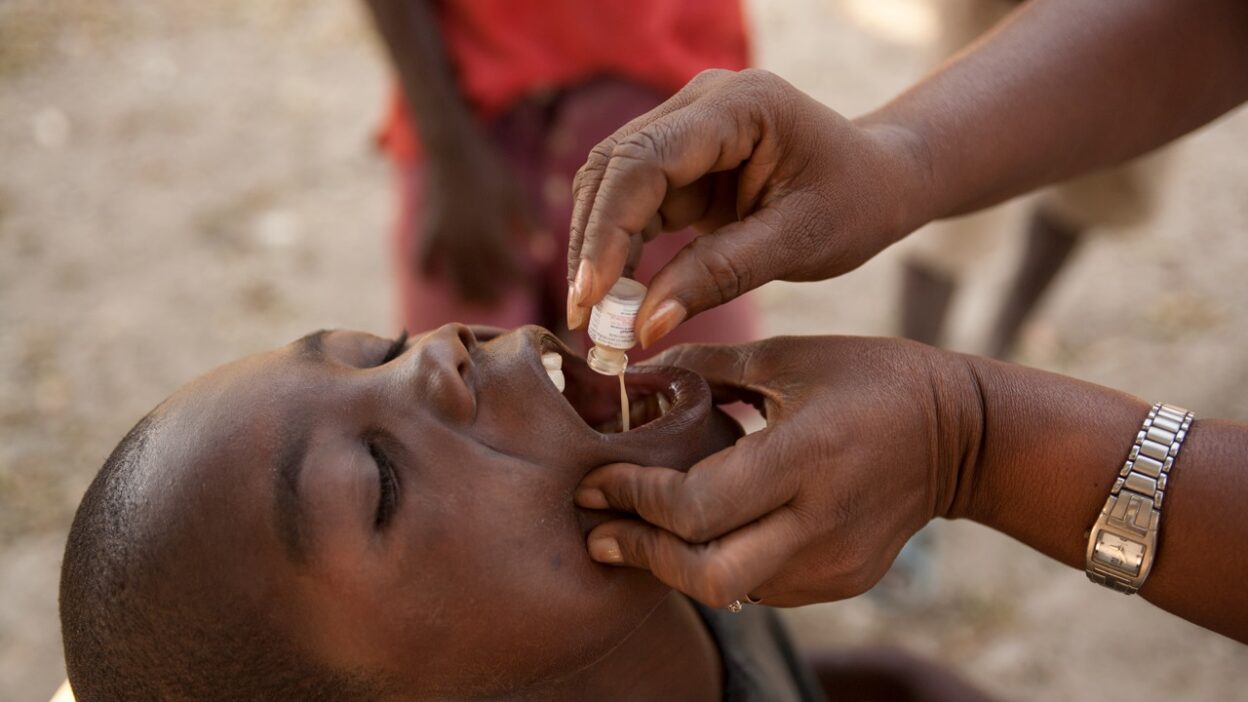
Oral cholera vaccines are available and can provide short- to medium-term protection, especially during outbreaks or in high-risk areas.
Vaccination is recommended for:
- Communities in outbreak zones
- High-risk populations
- Emergency or humanitarian settings
However, vaccination should be combined with:
- Clean water access
- Proper sanitation
- Hygiene education
Cholera Prevention in Schools and Workplaces
Schools and organisations play a vital role in preventing outbreaks.
Key Actions
- Provide clean drinking water
- Ensure functional handwashing stations
- Maintain clean toilets
- Conduct regular hygiene education
- Implement health screening programs
These steps help protect students, staff, and the wider community.
When to Seek Immediate Medical Help
Go to the nearest health facility immediately if someone has:
- Severe diarrhoea
- Persistent vomiting
- Signs of dehydration
- Weakness or confusion
Do not wait. Early treatment saves lives.
The Importance of Early Diagnosis and Treatment
Timely diagnosis and treatment:
- Prevent severe dehydration
- Reduce the risk of complications
- Stop the spread within households and communities
Health facilities equipped with diagnostic and treatment services play a critical role during outbreaks.
How Pretty Health Care Can Help
At Pretty Health Care, we focus on prevention, early detection, and community wellness.
Our services include:
- Health screenings and diagnostics
- School health programs
- Workplace wellness initiatives
- Health education and outreach
- Clinic consultations
We support families, schools, and organisations with practical solutions to stay healthy and prepared.
Final Thoughts
Cholera is a serious but preventable disease. With proper hygiene, safe water, early treatment, and community awareness, outbreaks can be controlled and lives can be saved.
Everyone has a role to play—parents, schools, businesses, and communities. Simple actions like handwashing, drinking safe water, and seeking early treatment can make a life-saving difference.
Need Health Support or Screening?
Contact Pretty Health Care today for professional preventive health services.
Call: +234 811 434 6325
Website: https://prettyhealthcare.com.ng/