Kidney disease is often called a “silent condition” because many people do not notice symptoms until it becomes advanced. Yet early detection can prevent serious complications, reduce healthcare costs, and even save lives.
In Nigeria and across the world, chronic kidney disease (CKD) is becoming increasingly common due to rising rates of hypertension, diabetes, infections, and misuse of medications. Understanding the early warning signs and knowing when to get tested can make all the difference.
What Do the Kidneys Do?
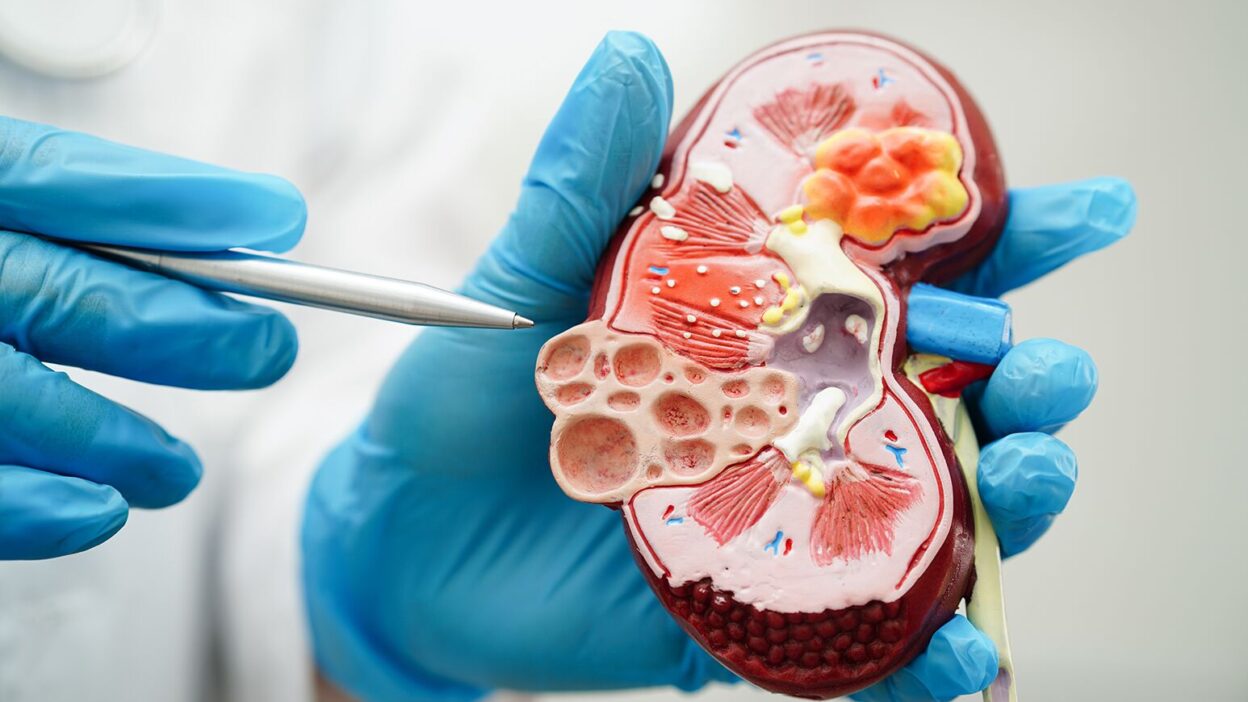
Your kidneys are two bean-shaped organs located at the back of your abdomen. They perform several vital functions:
- Filter waste and toxins from the blood
- Remove excess fluid through urine
- Balance electrolytes (sodium, potassium, etc.)
- Regulate blood pressure
- Produce hormones that support red blood cell production
- Maintain bone health
When the kidneys are damaged, waste and fluids build up in the body, leading to serious health problems.
What Is Kidney Disease?
Kidney disease occurs when the kidneys gradually lose their ability to function properly.
There are two main types:
- Acute Kidney Injury (AKI) – Sudden and often reversible damage
- Chronic Kidney Disease (CKD) – Long-term, progressive loss of kidney function
Chronic kidney disease can develop silently over months or years.
Who Is at Risk?
You are at higher risk of kidney disease if you have:
- High blood pressure (hypertension)
- Diabetes
- A family history of kidney disease
- Frequent urinary tract infections
- Sickle cell disease
- Long-term use of certain painkillers
- Untreated infections
- Obesity
In Nigeria, uncontrolled hypertension and diabetes are major contributors to kidney failure.
Early Signs of Kidney Disease
In the early stages, symptoms may be mild and easily overlooked. Watch out for:
1. Frequent Urination (Especially at Night)
An increase in urination, particularly at night, can be an early sign.
2. Swelling in the Feet, Ankles, or Face
Damaged kidneys may struggle to remove excess fluid, leading to swelling.
3. Persistent Fatigue
When kidneys cannot produce enough erythropoietin (a hormone that helps make red blood cells), anemia can occur, causing tiredness and weakness.
4. Foamy or Bloody Urine
Foamy urine may indicate protein leakage, while blood in urine requires immediate medical attention.
5. Difficulty Concentrating
Waste buildup in the blood can affect brain function.
6. Loss of Appetite or Nausea
Toxin accumulation may reduce appetite or cause stomach discomfort.
7. Dry or Itchy Skin
Mineral imbalances can lead to skin changes.
If you notice any of these symptoms, early testing is crucial.
How Is Kidney Disease Diagnosed?
Kidney disease can be detected through simple tests:
- Blood tests (to measure creatinine and estimate kidney function)
- Urine tests (to check for protein or blood)
- Blood pressure monitoring
- Ultrasound imaging (if necessary)
Routine screening is especially important for high-risk individuals.
Why Early Detection Matters
When detected early, kidney disease can often be managed through:
- Blood pressure control
- Blood sugar management
- Lifestyle changes
- Medication adjustments
- Dietary modifications
However, late detection may lead to:
- Kidney failure
- Dialysis
- Kidney transplant
- Increased risk of heart disease
Prevention and early screening are always better than treatment of advanced disease.
How to Protect Your Kidneys
You can reduce your risk by:
- Monitoring your blood pressure regularly
- Controlling diabetes
- Drinking adequate clean water
- Avoiding excessive use of painkillers without medical advice
- Maintaining a healthy weight
- Eating a balanced diet low in excessive salt
- Treating infections promptly
- Getting regular medical checkups
The Role of Workplaces and Schools in Kidney Health
Organizations can promote kidney health by:
- Offering routine health screening programs
- Encouraging blood pressure checks
- Promoting healthy eating in cafeterias
- Hosting health awareness seminars
Early screening programs in schools and workplaces help detect silent conditions before they become severe.
When to See a Doctor Immediately
Seek urgent medical care if you experience:
- Severe swelling
- Shortness of breath
- Chest pain
- Very little or no urine output
- Persistent vomiting
These may indicate advanced kidney problems requiring immediate attention.
How Pretty Health Care Can Help
Pretty Health Care provides:
- Routine health screening
- Blood pressure monitoring
- Diagnostic blood and urine tests
- Workplace and school health programs
- Preventive health education
Early detection saves lives and reduces long-term healthcare costs.
📞 Call: +2348114346325
🌐 Visit: https://prettyhealthcare.com.ng/
Key Takeaways
- Kidney disease often develops silently.
- Hypertension and diabetes are major risk factors.
- Early signs include swelling, fatigue, and changes in urination.
- Simple blood and urine tests can detect problems early.
- Routine screening is essential for high-risk individuals.
- Prevention through lifestyle changes and regular checkups is key.
Final Thought
Kidney disease does not usually announce itself loudly. By paying attention to early warning signs and prioritizing routine screening, you can protect your health and prevent serious complications.