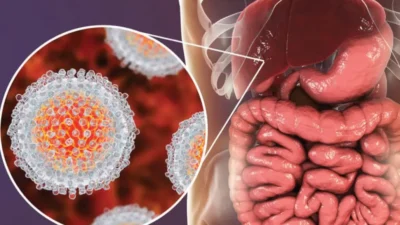

Viral hepatitis, particularly Hepatitis B (HBV) and Hepatitis C (HCV) is a major, but often hidden, public-health threat in Nigeria. According to the World Health Organization (WHO), over 70 million people in the African region live with chronic hepatitis B or C, yet less than 10% are diagnosed or treated. In Nigeria alone, more than 20 million people are estimated to be chronically infected. Detection, prevention, and linkage to care are essential in reducing long-term liver damage, liver cancer, and other complications.
What Are Hepatitis B and C?
Hepatitis B is caused by the hepatitis B virus (HBV). It infects liver cells and can cause both acute (short-term) and chronic (long-term) infection. Chronic HBV, if left untreated, may lead to cirrhosis (scarring of the liver), liver failure, or liver cancer. Hepatitis C is caused by the hepatitis C virus (HCV). Unlike HBV, many people who acquire HCV can develop a chronic infection that silently damages the liver over many years.
Both viruses are primarily transmitted through blood or body fluids:
- HBV: from mother to child during birth, unprotected sex, sharing sharp instruments, infected blood.
- HCV: mainly through blood-to-blood contact (e.g., unsafe injections or transfusions).
How Common Are HBV and HCV in Nigeria?
- In Lagos State, a large population-based survey found 2.1% prevalence for HBV and 0.1% for HCV. PubMed.
- In a Northern Nigerian healthcare facility, researchers reported significant HBV and HCV prevalence among patients and healthcare workers, underscoring occupational risk.
- Among pregnant women in Edo State, a study found a 6% HBV prevalence, including both overt and “occult” infections (where standard screening misses some cases). BioMed Central.
These numbers highlight that while not everyone is infected, HBV and HCV remain serious, with potential for silent liver damage.
Why Testing Matters: The Case for Early Diagnosis
- Silent but dangerous: Many people with chronic hepatitis have no symptoms until their liver is already damaged.
- Better outcomes with early care: Once diagnosed, people living with HBV or HCV can be monitored and treated before serious complications develop.
- Prevention of transmission: If you know your status, you can take steps to avoid passing the virus to others (safe sex, not sharing sharp items, etc.).
- Public health goals: Nigeria is scaling up screening as part of its national strategy, supported by WHO, to reduce mother-to-child transmission and improve linkage to care.
How Testing Works: Types of Tests & What They Mean
For Hepatitis B (HBV):
- HBsAg (Surface Antigen): Indicates current infection (acute or chronic).
- Anti-HBc (Core Antibody): Indicates past or current infection.
- HBeAg: Marker of high infectivity.
- HBV DNA (viral load): Measures how much virus is in the blood used for treatment decisions and to assess the risk of liver damage.
For Hepatitis C (HCV):
- Anti-HCV Antibodies: Detects past exposure to the virus.
- HCV RNA (PCR): Confirms active infection. About 30% of people who test positive for HCV antibodies clear the virus on their own.
Prevention: How to Protect Yourself & Others
For Hepatitis B:
- Vaccination: The HBV vaccine is safe and highly effective. It’s part of routine immunization but also recommended for unvaccinated adults.
- Safe sex: Use protection (condoms) and avoid sharing sharp or personal hygiene items.
- Prevent mother-to-child transmission: Pregnant women should be screened. Babies born to infected mothers need special care.
For Hepatitis C:
- Avoid unsafe injections or procedures: Ask about sterilization when receiving medical or cosmetic injections.
- Blood safety: Only accept blood from reputable, screened sources.
- No vaccine (yet): Unlike HBV, there’s no vaccine for HCV. Prevention relies on behavior and safe practices.
Treatment & Care: What Happens After Diagnosis
- HBV: Chronic infection doesn’t always mean immediate treatment. Doctors assess liver health (via blood tests, imaging, etc.) and may start antiviral therapy to suppress the virus and prevent damage.
- HCV: The good news, HCV is curable. Modern direct-acting antivirals (DAAs) can eliminate the virus in over 95% of cases, with relatively short treatment courses. Early detection and treatment significantly reduce liver disease risk.
Barriers to Testing & Treatment in Nigeria
- Low awareness: Many Nigerians don’t know about hepatitis B and C, or don’t understand how serious chronic infection can be.
- Cost: Diagnostic tests, especially advanced ones (like viral load), may be expensive or not covered.
- Limited access: Not all primary care facilities offer hepatitis testing; some areas lack labs.
- Stigma: Fear and misinformation can prevent people from getting tested.
Emerging Solutions & Innovations in Nigeria
- Self-testing for HCV: Studies show that HCV self-testing (HCVST) is gaining awareness in Nigeria. Stakeholders see it as a promising way to reach more people, reduce stigma, and improve diagnosis rates. MDPI
- National Action Plan: Nigeria is investing in expanded screening, integration of hepatitis services into primary care, and scaling up treatment programs.
- Public awareness campaigns: Supported by WHO, NCDC and other partners, these campaigns encourage more Nigerians to get tested and vaccinated.
What You Can Do Right Now (Personal Action Plan)
- Get tested: Ask your doctor for hepatitis B and C screening, especially if you haven’t been tested before.
- Get vaccinated: If you are not infected with HBV, vaccination protects you long-term.
- Practice safety: Use safe injection practices, do not share razors or needles, and practice safe sex.
- Know your status: If you test positive, don’t panic, there are treatment options. Ask about follow-up care and liver health monitoring.
- Spread awareness: Encourage friends, family, and coworkers to test and vaccinate. Join community efforts to reduce the stigma associated with hepatitis.
Why Pretty Health Care Can Help
At Pretty Health Care, we offer hepatitis B vaccination for routine, school, companies and travel purposes. Our clinic services include counseling, linkage to care for positive cases, and partnership with treatment programs.
Whether you are an individual, a business, or a school, we can help design a screening and prevention program, testing days, vaccine drives, and health education tailored to your needs.
Call +2348114346325 or visit PrettyHealthCare.com.ng to book hepatitis screening or vaccination.
Final Thoughts
Hepatitis B and C might not make headlines every day, but they quietly harm millions of Nigerians. The good news is: we can act through testing, vaccination, safe practices, and better access to care.
Early detection is power. Know your status, get protected, and help build a healthier, hepatitis-aware Nigeria.