
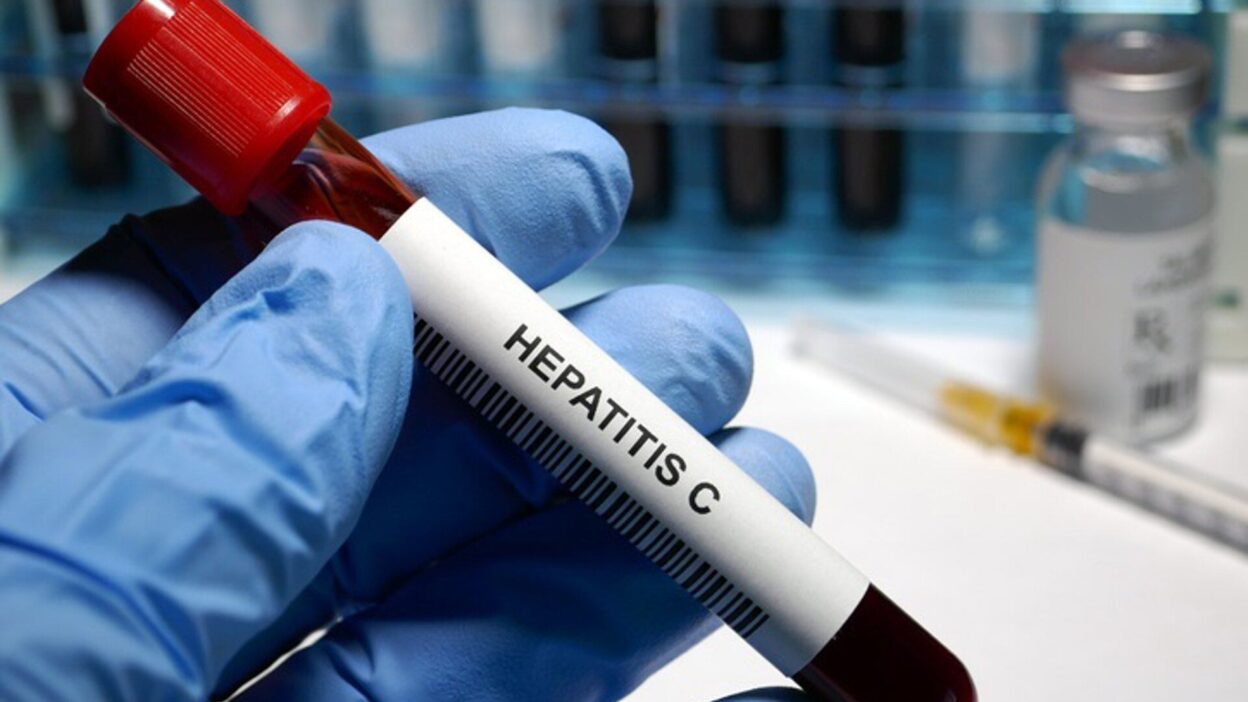
Hepatitis C (HCV) is a blood-borne virus that silently damages the liver in many people. Unlike hepatitis B (which has an effective vaccine), HCV is preventable by safer practices and importantly curable with modern oral medicines called direct-acting antivirals (DAAs). Early testing, prompt treatment and safer health practices are the keys to stopping HCV.
Why this matters
Hepatitis C contributes to long-term liver disease and liver cancer worldwide. Many people infected with HCV have no symptoms for years while the virus slowly harms the liver, which is why diagnosis is often missed until advanced disease appears. Worldwide action plans now emphasise expanding testing and treatment to close the diagnosis gap and prevent deaths.
What is Hepatitis C
Hepatitis C is an infection caused by the hepatitis C virus. The virus is spread when blood from an infected person enters another person’s bloodstream. After infection a person may develop an acute illness (short-term) or more commonly a chronic infection that can lead to cirrhosis (scarring), liver failure and liver cancer over many years. Modern treatments can cure the infection in the vast majority of people who receive them.
How HCV spreads
HCV is transmitted when infectious blood reaches another person. Common risk situations include:
- Sharing needles, syringes or other injecting equipment (including among people who inject drugs).
- Unsafe medical, dental or cosmetic procedures (non-sterile instruments).
- Blood transfusions with unscreened blood (less common now where screening is routine).
- Less commonly: shared razors, sharp household items, or needlestick injuries in health settings.
Mother-to-child (vertical) transmission can occur but is less common than for some other viruses about 6 – 7% of infants born to HCV-RNA positive mothers are infected without interventions. CDC.
Symptoms
Many people with chronic HCV experience no symptoms for years. When symptoms do appear they are usually vague: fatigue, poor appetite, abdominal discomfort or mild jaundice. By the time serious signs (ascites, bleeding, confusion) appear, advanced liver disease may already be present. That’s why testing, not waiting for symptoms is essential.
Who should get tested
Because most infected people are asymptomatic, health authorities recommend broad testing strategies to close the diagnosis gap:
- All adults: many countries and guidelines now recommend at-least-one lifetime screening for adults, especially those aged 18 and above; clinicians should consider repeat testing for high-risk groups. CDC
- Pregnant people: screening during each pregnancy is recommended in many settings so infants born to HCV-infected mothers can be followed appropriately. CDC
- High-risk groups: people who inject drugs, people with a history of blood transfusion before effective screening, healthcare workers after needlestick injuries, people with unexplained liver enzyme elevations, and household contacts in some contexts.
If you are unsure, ask your clinician, testing is a simple blood test and the first step toward cure.
How testing works
Testing for HCV typically follows two steps:
- Screening test (Anti-HCV antibody): detects whether your immune system has seen the virus (past or present exposure). A positive antibody test means you were exposed at some point but it does not distinguish active infection from a cleared infection.
- Confirmatory test (HCV RNA / PCR or HCV core antigen): this detects viral genetic material and confirms active infection that needs evaluation for treatment. RNA testing is also used to monitor response and confirm cure after treatment (sustained virologic response, SVR).
Quick note: RNA tests detect infection earlier than antibodies and are the gold standard for confirming active HCV.
Treatment
This is the most encouraging part: direct-acting antivirals (DAAs) are short, oral courses (commonly 8 – 12 weeks) that cure hepatitis C in the vast majority of people (cure rates commonly >95% in clinical practice). DAAs are safe, well-tolerated, and have transformed HCV care making elimination a realistic goal when diagnosis and access to medicines are scaled up.
What happens after diagnosis?
- If HCV RNA is detected, clinicians assess liver health (blood tests, ultrasound, fibrosis assessment).
- Most people without advanced cirrhosis can be treated successfully with pan-genotypic DAAs (work across HCV types).
- After successful treatment, the person is considered cured (but in rare cases reinfection can occur if exposure continues). PubMed
Prevention
Because there is no vaccine for HCV, prevention relies on safer practices:
- Safe injection and health-care practices: insist on single-use needles, sterile instruments, and accredited clinics for medical/dental/cosmetic procedures.
- Safer injecting services and harm reduction for people who use injectable drugs (syringe exchange, opioid substitution therapy).
- Screened blood supply: only accept transfusions from screened, reputable blood banks.
- Avoid sharing personal items that may be contaminated with blood (razors, nail clippers).
- Pregnancy & birth planning: pregnant people with HCV should be managed with antenatal screening and newborn follow-up plans.
HCV burden and barriers
Estimates and local studies show variable but significant HCV presence in Nigeria. Diagnosis and treatment gaps persist because of limited awareness, variable access to affordable RNA testing and the historic high cost/availability issues for DAAs (though prices and access have improved globally). Pilot studies and policy efforts are expanding HCV self-testing pilots, integration into primary care, and centralized procurement to reduce costs, all positive steps toward wider diagnosis and cure.
New tools & approaches
- HCV self-testing (HCVST): piloted in Nigeria and other countries as a way to reach people who avoid clinic testing because of stigma or access barriers. Early studies show potential for acceptability and expanding reach, but linkage to care must be ensured.
- Simplified care models: task-sharing and decentralised treatment (non-specialists managing uncomplicated cases) increase treatment scale and shorten time from diagnosis to cure. Evidence supports rapid initiation of DAAs with excellent outcomes.
What to do if you test positive
- Don’t panic. HCV is treatable and often curable.
- Get an HCV RNA test to confirm active infection and measure viral load.
- Assess liver health (ALT, platelet count, imaging or fibrosis tools) and discuss treatment timing with a clinician.
- Start DAA therapy when indicated, your clinician will choose the appropriate regimen.
- Avoid alcohol and follow liver-friendly lifestyle advice during and after treatment.
- Inform past partners or contacts so they can test, this protects others.
Practical advice for communities, schools and workplaces
- Make testing easy: organise screening days, include HCV antibody tests in routine workplace or school health checkups.
- Educate staff, students and parents about blood-safety and safer practices.
- Link positive tests quickly to confirmatory RNA testing and treatment partners; delayed linkage is a common program gap.
- Support harm-reduction initiatives and safe-healthcare practices in community outreach. These measures reduce transmission and protect productivity.
Costs and access – the reality in low-resource settings
Historically, limited access to affordable RNA testing and DAAs slowed program scale-up. Global efforts and generic DAA availability have improved access in many countries, but cost, lab capacity and referral pathways still limit reach in parts of Nigeria. National strategies emphasise procurement, decentralisation and integrating HCV services into primary care to drive down barriers. If cost is a concern, ask public clinics or national programmes about subsidised options or partner initiatives.
Quick FAQ
Q: Is hepatitis C curable?
A: Yes, with modern DAA therapy most people are cured after an 8 – 12 week oral treatment course.
Q: Can I be re-infected after cure?
A: Yes, cure clears the virus but does not provide protective immunity; ongoing exposure (e.g., sharing needles) can lead to reinfection.
Q: Should my baby be tested if I have HCV?
A: Infants born to HCV viraemic mothers should have testing strategies discussed with their clinicians; antibody tests before 18 months can be complicated by maternal antibodies and RNA testing/timing matters, following local guidelines. CDC
Final takeaways
- Test once, treat if positive: testing is the gateway to a cure.
- Prevent infection: safer health-care practices, harm reduction and blood safety stop transmission.
- Nigeria can eliminate HCV: with scaled testing, affordable DAAs and smart public-health programs, elimination is achievable but it starts with awareness and testing at the community level.
Want help setting up testing or a workplace/school screening day?
Pretty Health Care offers HCV antibody screening, confirmatory testing arrangements, counselling and referral for treatment. We can design screening campaigns for workplaces, schools or communities and support linkage to care.
Call: +2348114346325 or visithttps://prettyhealthcare.com.ng/ to book a screening day.