
Seasonal influenza (the flu) can disrupt workplaces and schools, cause serious illness in vulnerable people, and strain local clinics. This practical guide explains why preparation matters in Nigeria, what prevention measures work (vaccination, ventilation, hand hygiene, sick-leave policies), and gives a ready-to-use checklist and communications templates you can implement this flu season. It’s written for HR teams, school leaders, clinic managers and community organisers.
Why businesses and schools should care
- Influenza spreads easily in crowded settings (classrooms, offices, factories) and can cause both absenteeism and reduced productivity. Employers and schools that prepare reduce transmission and protect vulnerable people.
- In Nigeria, influenza occurs year-round with irregular seasonality; children under 4 and people with comorbidities are often most affected, local surveillance confirms ongoing community circulation. That means planning needs to be continuous, not just “seasonal.”
- Public health authorities (WHO, CDC, NCDC) emphasise vaccination, hand hygiene, respiratory etiquette, ventilation, sick-leave policies and rapid testing as central to influenza control.
How influenza spreads (brief)
Influenza viruses spread mainly through respiratory droplets (coughs, sneezes) and by touching contaminated surfaces then touching the face. Crowded indoor spaces with poor ventilation are high-risk. The virus can also be transmitted before symptoms appear, so relying on symptom-screening alone is insufficient. Good ventilation, masks for symptomatic people, and prompt isolation of ill individuals reduce spread.
Core prevention pillars – what works
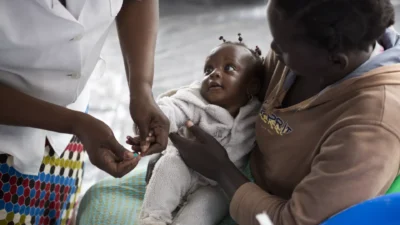
- Vaccination (first-line defence). Annual influenza vaccination reduces illness, severity and absenteeism. Employers and schools can increase uptake by offering on-site vaccination days or information campaigns. Vaccination is particularly important for health-care staff, pregnant people, young children, older adults and people with chronic conditions.
- Hand hygiene & respiratory etiquette. Regular handwashing with soap or using alcohol-based hand rubs, combined with teaching cough/sneeze etiquette, lowers transmission in schools and workplaces. Provide accessible handwashing stations and sanitiser dispensers.
- Ventilation & distancing. Improve natural ventilation (open windows/doors) where safe; consider air changes, CO₂ monitoring in large shared spaces, and keep gatherings short or outdoors when possible.
- Sick-leave policies & staying home when ill. Encourage people with fever or respiratory symptoms to stay home until 24 hours after fever resolves (without antipyretics). Flexible leave policies reduce presenteeism and workplace transmission.
- Infection prevention & control (IPC) in facilities. For clinics, school clinics and occupational health units, use standard IPC (PPE for staff when needed, triage, isolation, cleaning protocols).
- Rapid testing & linkage to care. Where available, rapid influenza testing can confirm cases quickly and guide absence duration and antiviral use for high-risk patients. Establish referral pathways to local clinics.
Practical preparatory checklist for employers & schools
1) Policy & planning (2 – 4 weeks before peak or ongoing)
- Appoint a Flu Lead (HR / School Nurse) to coordinate.
- Review and update sick-leave and remote-work policies to allow symptomatic staff/students to stay home without penalty.
- Map out onsite isolation rooms (quiet room or clinic) for people who become sick during the day.
- Identify local healthcare partners (clinics, Pretty Health Care) for testing and occupational follow-up.
- Plan on-site vaccination days (coordinate dates, consent forms, cold-chain logistics).
2) Vaccination logistics
- Decide delivery model: on-site clinic (pop-up), booked appointments at partner clinic, or vouchers for nearby vaccination centres.
- Target groups: frontline staff (security, reception, health unit), teachers, staff with chronic conditions, boarding-school students, and caregivers.
- Communicate benefits, side effects, cost (if any), and booking steps. Provide consent forms and FAQ.
3) Facilities & supplies
- Stock hand sanitiser (≥60% alcohol) at entry points, classrooms, meeting rooms and canteens.
- Check ventilation: open windows, service HVAC filters, or arrange outdoor spaces for crowded activities. Consider portable HEPA units for small clinics or isolation rooms if budgets allow.
- Ensure cleaning supplies and trained cleaning staff for high-touch surfaces.
- Prepare personal protective equipment (masks, gloves) for clinic staff and for symptomatic persons while they wait for pickup or transfer.
4) Communication & behaviour change
- Launch a clear awareness campaign (email, posters, staff meetings, PTA notes) with simple messages: get vaccinated, wash hands, stay home when sick, and when to seek medical care. Use local languages where possible.
- Train managers and teachers on supportive policies (how to approve sick leave, how to support remote learning).
- Provide scripts for receptionists and clinic staff to triage calls and advise on testing/referral.
5) Triage, testing & clinical response
- Set up a simple triage flowchart for symptomatic individuals (fever + cough/shortness of breath): isolate, offer a mask, contact guardians/employer and refer for testing if available.
- Agree with partner clinics on turnaround times for rapid tests and care for high-risk employees/students.
6) After-action review & metrics
- Track absenteeism and reasons, vaccination uptake (% of staff/students vaccinated), number of symptomatic cases managed, and referral outcomes. Use these KPIs to adjust next year’s plan.
Managing outbreaks – escalation steps
- If >10% of one team/class are absent with flu-like illness in a short window, activate enhanced measures: pause group activities, deep-clean shared spaces, and offer rapid testing to contacts.
- For severe cases or clusters, notify local public-health authorities per NCDC guidance and follow their instructions for surveillance and control.
Special considerations for schools
- Supervise handwashing for younger children; schedule regular handwashing breaks (before meals, after play).
- Stagger break times and use outdoor play when possible to reduce crowding.
- Equip boarding schools with clear isolation rooms and rapid referral pathways for sick students.
- Communicate clearly and quickly with parents about symptoms, attendance policies and aftercare.
Budget & resource checklist (practical line items)
- Vaccines (procurement fee or provider cost) estimate based on headcount.
- Consumables: syringes, alcohol swabs, gloves, vaccine cards.
- Sanitisers, soap, disposable masks.
- Portable HEPA unit(s) for clinics/isolation rooms (optional for higher risk settings).
- Staff time for planning, training & communications.
- Partnership fee for on-site provider (if using Pretty Health Care).
KPIs to measure program success
- % staff/students vaccinated (target: 60 – 80% initially).
- Average sick days per employee/student during season vs baseline.
- Time from symptom onset to isolation/referral.
- Employee/staff satisfaction with policies (short survey).
Why partner with Pretty Health Care
Pretty Health Care can deliver turnkey flu-preparedness support: on-site vaccination clinics, rapid testing coordination, occupational health advice, training for managers and teachers, and post-campaign reporting. We handle logistics, cold-chain, consent and clinical documentation so your organisation can stay focused on operations and learning. Call +2348114346325 to book a planning call.
Quick checklist (one-page takeaway)
- Appoint Flu Lead & update sick-leave policy
- Schedule on-site vaccination day / partner clinic bookings
- Stock hand hygiene & cleaning supplies; check ventilation
- Prepare isolation room & PPE for symptomatic persons
- Launch staff/parent communications and manager training
- Track vaccination uptake, absenteeism and outcomes