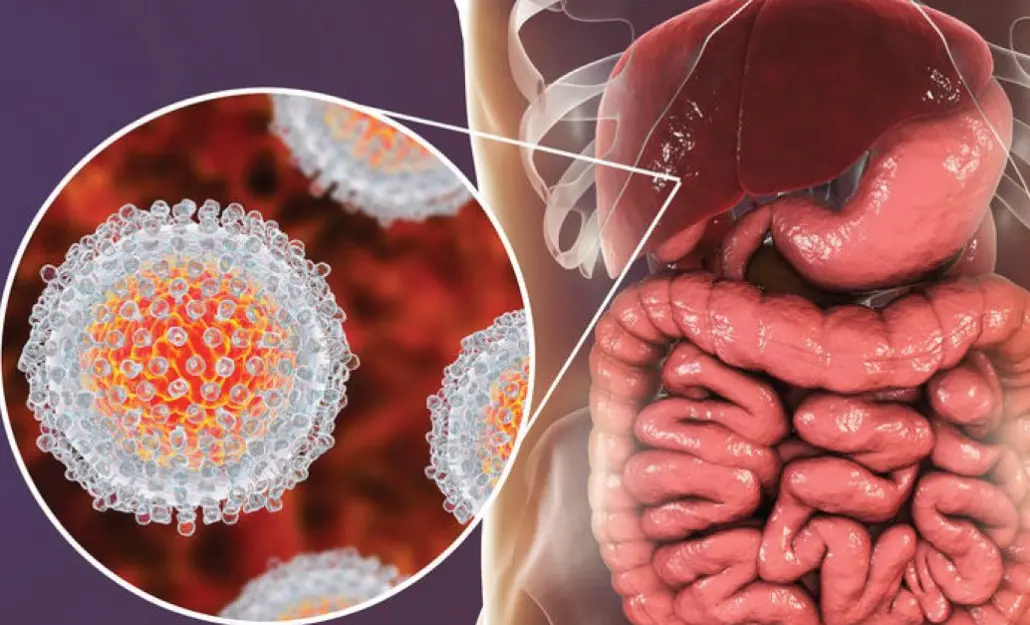
Hepatitis B (HBV) is a common viral infection that attacks the liver. It can be a short illness or more worryingly a lifelong (chronic) infection that increases the risk of cirrhosis and liver cancer. The good news: HBV is largely preventable with a safe vaccine and, if detected, can be monitored and treated to reduce harm. This guide explains what HBV is, how it spreads, how testing works, vaccine and prevention steps, treatment basics, and what to do next with practical advice for Nigerians, parents, employers and schools.
Why Hepatitis B matters now
- Globally, hundreds of millions of people live with chronic hepatitis B and it remains a leading cause of liver cancer and liver-related death. Early detection and vaccination are the most effective ways to stop this burden.
- Many people with chronic HBV have no symptoms for years while liver damage slowly progresses that makes testing and vaccination essential.
What is Hepatitis B?
Hepatitis B is a liver infection caused by the hepatitis B virus (HBV). It may present as:
- Acute HBV: short-term illness occurring in the first 6 months after infection; may cause jaundice (yellowing of skin/eyes), fatigue, nausea, abdominal pain.
- Chronic HBV: when the virus remains in the body longer than 6 months; chronic infection raises long-term risks of cirrhosis and liver cancer.
Only testing reveals whether infection is current, past or cleared. CDC
How HBV spreads
HBV is transmitted when infected blood, semen or other body fluids enter another person’s bloodstream or mucous membranes. Common routes:
- Mother-to-child at birth (the single biggest route in high-burden settings).
- Unprotected sex with an infected partner.
- Sharing needles, razors, or other sharp instruments.
- Unsafe medical or dental procedures with non-sterile equipment.
HBV is much more infectious than HIV and the virus can survive outside the body for days on contaminated surfaces.
Symptoms – what to look for (but don’t rely on symptoms)
Many people, especially those with chronic HBV have no early symptoms. When symptoms occur they may include:
- Jaundice (yellow skin/eyes), dark urine, pale stools
- Persistent fatigue, poor appetite, nausea, abdominal pain
- Fever, joint pain (sometimes)
Because symptoms are unreliable, testing is the only way to know your status.
Who should get tested?
Testing is recommended for:
- All pregnant women (screening prevents mother-to-child transmission).
- People born in high-prevalence countries or with a family history of HBV.
- Health-care workers, people who inject drugs, persons with multiple sexual partners, and those exposed to contaminated blood.
- Anyone with abnormal liver tests or risk factors.
The CDC recommends at least one lifetime test for all adults and repeat testing for higher-risk groups; national programs (including Nigeria’s) prioritise pregnant women, newborns and high-risk groups.
How testing works – simple overview
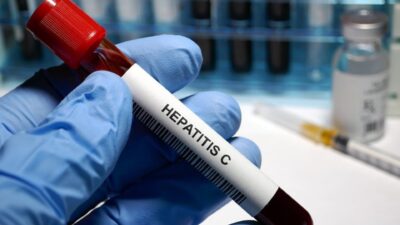
Common HBV blood tests and what they mean:
- HBsAg (Hepatitis B surface antigen): positive = current infection (acute or chronic). CDC
- Anti-HBs (Hepatitis B surface antibody): positive = immunity (from past infection that cleared or from vaccination).
- Anti-HBc (core antibody): indicates past or current infection.
- HBV DNA (viral load): measures amount of virus in the blood – used to decide on treatment and monitor response.
A typical diagnostic pathway: screen with HBsAg → if positive, do HBV DNA and liver function tests (ALT), plus ultrasound and specialist assessment as needed. Global Hepatitis Alliance.
Prevention – vaccines and practical steps
1. Hepatitis B vaccine (the most effective tool)
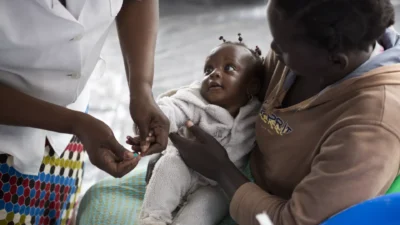
- WHO recommends that all infants receive a birth dose of hepatitis B vaccine as soon as possible after birth (preferably within 24 hours) followed by the remaining doses in the primary series. Vaccination dramatically reduces mother-to-child transmission and future chronic infection. Adults who are unvaccinated should also complete the vaccine series (or follow national adult schedules).
- Health workers and other high-risk adults should be vaccinated if not already immune.
2. Safe childbirth and maternal care
Pregnant women should be screened; babies born to HBV-positive mothers may need both the birth dose and additional measures (timely vaccination and, when indicated, antiviral therapy in the mother) to reduce transmission risk.
3. Reduce exposure to blood and body fluids
- Use condoms for safer sex when partner status is unknown.
- Avoid sharing razors, needles or personal items that may be contaminated.
- Insist on sterile procedures for injections, tattoos, dental or surgical work.
4. Blood safety & infection control
Ensure blood transfusions come from screened supplies and that clinics follow strict infection-prevention protocols (sterile instruments, safe waste disposal). ncdc.gov.ng
Treatment basics – what happens after diagnosis
- Not every person with chronic HBV needs immediate medication. Clinicians assess viral load, liver enzyme tests (ALT), and signs of liver damage to decide whether to start antiviral therapy. Regular monitoring is essential.
- When treatment is needed, oral antiviral drugs (for example, tenofovir or entecavir in many guidelines) can suppress viral replication, lower liver inflammation, and reduce the risk of cirrhosis and liver cancer. Treatment is usually long-term and requires follow-up.
- For pregnant people with very high viral load, short-term antiviral therapy in the third trimester may be recommended to reduce mother-to-child transmission (follow local protocols).
Living with Hepatitis B – practical advice
- Attend regular follow-up (blood tests, liver ultrasound when indicated).
- Avoid alcohol or discuss safe limits with your clinician – alcohol increases liver damage risk.
- Vaccinate household contacts who are not immune (vaccination protects them).
- Healthy lifestyle (balanced diet, maintain healthy weight, avoid unnecessary medications that strain the liver).
- Know red-flag signs: sudden jaundice, severe abdominal pain, confusion, or vomiting – seek urgent care.
Hepatitis B in pregnancy – key points
- Screen all pregnant women for HBsAg during antenatal care.
- Provide birth-dose vaccination to newborns of all mothers and follow the infant vaccine schedule.
- For mothers with high viral load, clinicians may offer antiviral therapy in late pregnancy to reduce transmission, discuss with your obstetrician.
Testing & vaccination: where to go in Nigeria
- Check your primary health clinic or maternal-child health centre for antenatal screening and infant vaccination.
- Many private clinics, diagnostic centres and preventive-health providers (including Pretty Health Care) offer HBV testing, vaccination and follow-up care, ask about test types (HBsAg, antibody, viral load) and vaccine availability.
- Nigeria’s national guidelines and programs are expanding testing and treatment access; if cost or access is a concern, ask about public or partner programmes.
Quick FAQ
Q: Can hepatitis B be cured?
A: Chronic HBV is rarely “cured” with current drugs; treatment suppresses the virus and prevents damage. Some people clear the infection naturally; vaccination prevents infection in the first place.
Q: Is the vaccine safe?
A: Yes – the hepatitis B vaccine has a long safety record worldwide and is recommended for infants, health workers and at-risk adults. Side effects are usually mild (soreness at injection site).
Q: If I’m HBsAg-positive, can I still have children?
A: Yes – with appropriate antenatal care (screening, infant vaccination, and maternal management when needed), the risk to the baby can be greatly reduced. Discuss options with your obstetrician.
Practical next steps (action checklist)
- If you’ve never been tested, get an HBV blood test (HBsAg + anti-HBs).
- Vaccinate if you are not immune, infants should get the birth dose and complete the series.
- If positive, link to care: specialist review, viral load testing, liver assessment and monitoring plan.
- For employers & schools: offer screening days, ensure vaccination availability for staff/students, and educate communities on safe practices.
Need help in Lagos or nationwide?
If you want testing, vaccination, workplace screening days or a school vaccination programme, Pretty Health Care provides end-to-end services: diagnostics, vaccine administration, counseling and linkage to care.
Call: +2348114346325
Website / Book: https://prettyhealthcare.com.ng/