Your kidneys work every hour of every day, filtering about 200 litres of blood, removing waste, balancing fluid and minerals, controlling blood pressure, and producing hormones that keep your bones strong and your blood healthy. They do all of this silently, without any sensation you can feel.
That silence is the problem. Chronic kidney disease is the progressive loss of kidney function that develops quietly over months and years. By the time most people notice something is wrong, they have already lost 50, 60, or even 70 percent of their kidney function. At that stage, treatment is about slowing what is left, not restoring what is gone.
In Nigeria, kidney disease is a growing public health crisis. Hypertension and diabetes are both extremely common and both frequently uncontrolled are destroying kidneys across the country. Herbal medicines and unprescribed medications are causing additional silent damage. And most Nigerians have no idea their kidneys are in trouble until it is very late.
This article explains exactly what your kidneys do, what damages them, what the early warning signs are even the subtle ones most people overlook and what to do about it.
What Do the Kidneys Actually Do?
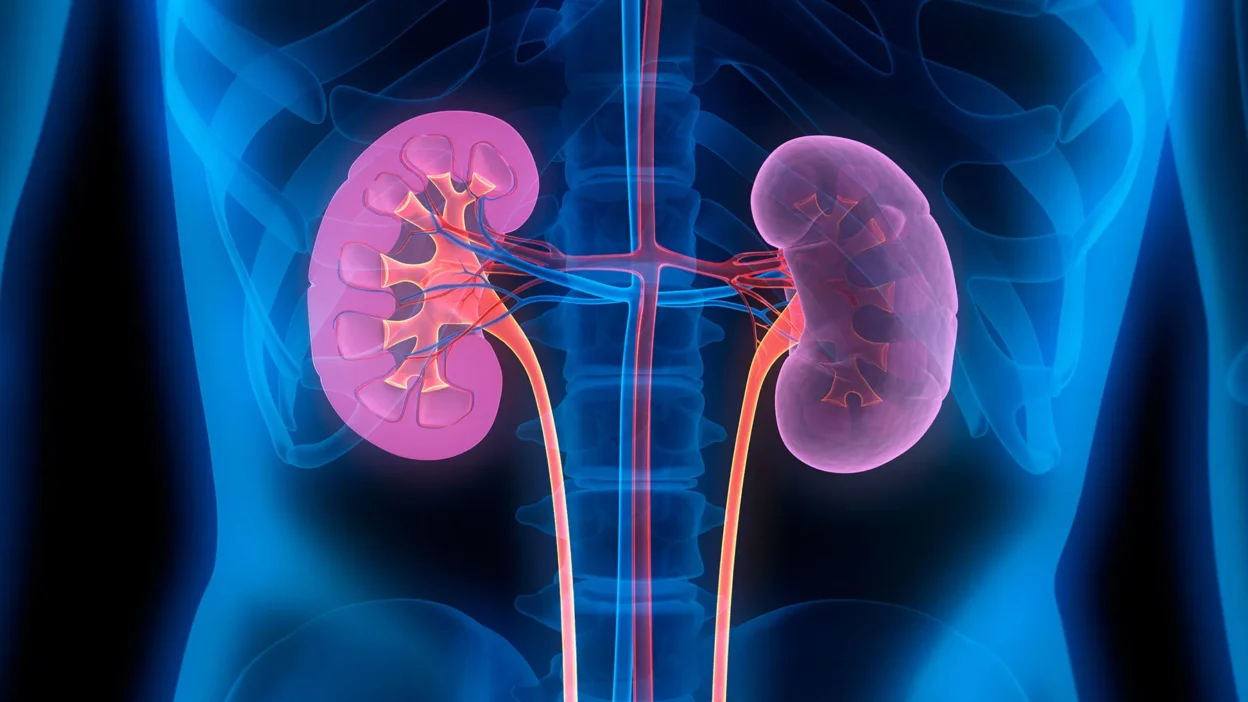
The kidneys are two bean-shaped organs, each roughly the size of a fist, located just below the ribcage on either side of the spine. Despite their modest size, they perform functions that are essential for life:
- Filter waste from the blood: removing urea, creatinine, and other metabolic waste products that would otherwise accumulate and poison the body
- Regulate fluid balance: controlling how much water the body retains or excretes as urine
- Control blood pressure: through a hormone system called the renin-angiotensin-aldosterone system
- Balance electrolytes: maintaining the right levels of sodium, potassium, calcium, and phosphate
- Produce hormones: including erythropoietin (which stimulates red blood cell production) and the active form of vitamin D (which supports bone health)
Each kidney contains approximately one million tiny filtration units called nephrons. Once nephrons are destroyed, they cannot regenerate. This is why kidney damage is permanent and why prevention and early detection matter so much.
What Is Chronic Kidney Disease?
Chronic Kidney Disease (CKD) is a long-term condition in which the kidneys gradually lose their ability to filter blood effectively. It is classified into five stages based on how well the kidneys are filtering, measured by a calculation called eGFR (estimated Glomerular Filtration Rate):
| Stage | eGFR | Description |
| Stage 1 | 90 or above | Normal or high function – kidney damage present but function preserved |
| Stage 2 | 60-89 | Mildly reduced function |
| Stage 3a / 3b | 30-59 | Moderately reduced function |
| Stage 4 | 15-29 | Severely reduced function |
| Stage 5 | Below 15 | Kidney failure – dialysis or transplant required |
Stages 1-3 produce little to no symptoms. Most people do not know they have CKD until Stage 3 or later, and by then, significant and irreversible damage has already occurred.
The Leading Causes of Kidney Disease in Nigeria
1. High Blood Pressure (Hypertension)
The leading cause of kidney disease in Nigeria. High blood pressure damages the delicate blood vessels inside the kidneys, reducing their ability to filter. As kidney function declines, it worsens blood pressure further, a destructive cycle. As covered in our hypertension article, an estimated 35 million Nigerians have high blood pressure, most undiagnosed.
2. Diabetes
Type 2 diabetes is the second major cause. Persistently high blood sugar damages the kidneys’ filtration units over time, a condition called diabetic nephropathy. It develops silently over years before becoming detectable without testing.
3. Herbal Medicines and Agbo
This is Nigeria’s most underappreciated cause of kidney disease. Many traditional herbal preparations agbo, herbal teas, “kidney cleaners”, and imported herbal products contain compounds that are directly toxic to the kidneys (nephrotoxic). Some contain heavy metals, aristolochic acid, or other substances that cause progressive kidney damage, sometimes rapidly.
The danger is that people taking these products believe they are “cleansing” or protecting their kidneys when the opposite may be happening. Kidney damage from herbal medicines is well-documented and increasingly reported in Nigerian hospitals.
4. Unprescribed and Overused Medications
NSAIDs, non-steroidal anti-inflammatory drugs such as ibuprofen, diclofenac, and aspirin, are among the most commonly overused medications in Nigeria. They are purchased without a prescription for pain, fever, and headache and are taken daily, in high doses, for long periods. NSAIDs reduce blood flow to the kidneys and, with chronic use, cause significant damage. Analgesic nephropathy is a recognised clinical entity in Nigerian hospitals.
5. Recurrent Infections and Malaria
Repeated severe malaria and untreated urinary tract infections that ascend to the kidneys (pyelonephritis) can cause cumulative renal damage, particularly in children.
6. Glomerulonephritis
Inflammation of the kidney’s filtration units, often triggered by infections including streptococcal throat infections, hepatitis B, and HIV, is a significant cause of kidney disease in Nigeria.
7. Kidney Stones
Large or recurrent kidney stones that block urine flow cause back-pressure damage to the kidney over time.
8. HIV and Hepatitis B
Both viruses can directly affect the kidneys. HIV-associated nephropathy is well described and disproportionately affects people of African descent.
Early Warning Signs Most Nigerians Miss
This is the most critical section of this article. The early signs of kidney disease are vague, easy to dismiss, and easy to attribute to tiredness, stress, or ordinary ill health. Knowing them and taking them seriously could make an enormous difference.
Fatigue and Weakness That Won’t Resolve
The kidneys produce erythropoietin, the hormone that tells the bone marrow to make red blood cells. As kidney function declines, erythropoietin production falls, causing anaemia. The result is persistent, unexplained fatigue and weakness often dismissed as “stress”, “malaria”, or ordinary tiredness.
Swelling of the Feet, Ankles, and Legs
When the kidneys cannot remove excess fluid, it accumulates in the body first in the lower limbs due to gravity. Swollen feet or ankles, particularly at the end of the day, is a classic sign that deserves investigation. In more advanced disease, swelling extends to the face and abdomen.
Puffiness Around the Eyes – Especially in the Morning
The kidneys normally keep protein inside the bloodstream. When they are damaged, protein leaks into the urine. Low blood protein causes fluid to shift out of blood vessels into tissues, classically causing puffiness around the eyes on waking. This is one of the earliest and most overlooked signs.
Changes in Urination
Changes in urine are often the first sign of kidney trouble:
- Foamy or bubbly urine: protein leaking into the urine creates foam that persists after flushing. Not the brief bubbles of fast-flowing urine — foam that lingers.
- Reduced urine output: making less urine than usual, or difficulty passing urine
- Increased urination at night: the kidneys lose their ability to concentrate urine and produce more of it overnight
- Blood in urine (haematuria): urine that is red, brown, or tea-coloured. This requires urgent evaluation.
High Blood Pressure That Is Difficult to Control
If your blood pressure is high and not responding well to treatment, kidney disease may be the cause or the consequence. The relationship between hypertension and kidney disease runs in both directions.
Loss of Appetite, Nausea, and Vomiting
As kidney function declines, waste products that the kidneys should be removing begin to accumulate in the blood, a state called uraemia. This causes nausea, loss of appetite, and eventually vomiting. These symptoms are often confused with gastritis, typhoid, or general malaise.
Persistent Itching
Waste products accumulating in the blood are deposited in the skin, causing persistent generalised itching with no skin rash to explain it. This is a sign of advanced kidney disease and requires urgent evaluation.
Muscle Cramps and Weakness
The kidneys regulate electrolytes including potassium, calcium, and phosphate. When these become imbalanced, muscle cramps, particularly in the legs at night, and generalised weakness develop.
Difficulty Concentrating and Mental Fog
Uraemia affects brain function, causing difficulty concentrating, impaired memory, and general mental slowing. People often attribute this to stress, age, or overwork.
Shortness of Breath
Fluid accumulation in the lungs (pulmonary oedema) from advanced kidney disease causes breathlessness, particularly when lying flat. Severe anaemia from kidney disease also causes breathlessness on exertion.
Symptoms That Require Immediate Medical Attention
Go to hospital the same day if you have:
- Sudden reduction or complete absence of urine output
- Severe swelling of the face, hands, or abdomen
- Blood in urine combined with pain
- Shortness of breath with leg swelling
- Confusion or altered consciousness combined with reduced urine output
How Kidney Disease Is Diagnosed
Early CKD is detectable with simple, affordable blood and urine tests long before symptoms appear.
Blood Tests
Serum Creatinine: the most commonly used marker of kidney function. Creatinine is a waste product of muscle metabolism normally cleared by the kidneys. When kidneys are damaged, creatinine accumulates in the blood.
eGFR (estimated Glomerular Filtration Rate): calculated from the creatinine result, age, and sex. This number directly tells you what percentage of kidney function remains. The staging table above is based on eGFR.
Urea and Electrolytes (U&E): a standard panel that includes urea, sodium, potassium, and bicarbonate. Together with creatinine, this gives a comprehensive picture of kidney function and electrolyte balance.
Urine Tests
Urine Dipstick: a quick test that detects protein and blood in urine. Protein in urine (proteinuria) is one of the earliest detectable signs of kidney damage, often appearing years before creatinine rises.
Urine Protein-to-Creatinine Ratio (UPCR): a more precise measurement of protein leaking into the urine. Used to monitor kidney disease progression.
Urine Microscopy and Culture: checks for infection, casts (microscopic debris from damaged nephrons), and red cells.
Imaging
Kidney Ultrasound: visualises the size, shape, and structure of the kidneys. Shrunken kidneys suggest chronic damage. Enlarged kidneys may indicate obstruction, cysts, or infiltrating disease.
At Pretty Healthcare, kidney function tests, including creatinine, urea, and urinalysis, are available as part of a wellness screen or kidney health panel. Walk in or book an appointment.
Who Should Get Tested?
The following people are at high risk and should have their kidney function checked:
- Anyone with high blood pressure – even if currently managed
- Anyone with diabetes or prediabetes
- Anyone who regularly takes NSAIDs (ibuprofen, diclofenac) or other painkillers
- Anyone who uses herbal medicines, agbo, or “kidney cleanser” supplements
- Anyone with a family history of kidney disease, kidney failure, or early dialysis
- Anyone over 40, even without known risk factors
- Anyone with recurrent urinary tract infections
- Anyone living with HIV or hepatitis B
- Anyone with a history of kidney stones
If you fall into any of these categories, do not wait for symptoms. A simple blood and urine test is all it takes.
Treatment and Management
Stage 1-3 (Mild to Moderate Kidney Disease)
The goal at this stage is to slow or stop progression:
- Control blood pressure aggressively: target below 130/80 mmHg. ACE inhibitors or ARBs (e.g., lisinopril, losartan) are the preferred medications because they also protect the kidneys directly.
- Control blood sugar tightly in people with diabetes
- Stop all nephrotoxic substances immediately: this includes NSAIDs, herbal medicines, and traditional preparations
- Reduce protein intake slightly: a moderate protein diet reduces the workload on the kidneys. Your doctor will advise on specific targets.
- Low-salt diet: reduces blood pressure and fluid retention
- Stay well hydrated: with clean water, not herbal drinks
- Treat anaemia: iron supplementation or, in later stages, erythropoietin injections
- Monitor potassium and phosphate: dietary adjustments as levels rise
Stage 4-5 (Advanced Kidney Disease)
At this stage, the focus shifts to preparing for renal replacement therapy:
- Haemodialysis: blood is filtered through a machine 3 times a week, each session lasting 3-4 hours. Available in several Nigerian tertiary hospitals and specialist dialysis centres, though access and cost remain significant challenges.
- Peritoneal Dialysis: dialysis fluid is instilled into the abdominal cavity and drained, using the body’s own membrane as a filter. Can be done at home.
- Kidney Transplant: the definitive treatment for kidney failure. A healthy kidney from a living or deceased donor replaces the failed kidneys. Nigeria’s transplant programme is limited but growing.
Prevention: What You Can Do Starting Today
Most kidney disease in Nigeria is preventable. These steps are practical and evidence-based:
Know your blood pressure. If you have never had it checked, do it this week. If you have hypertension, take your medication consistently every day, not just when you feel unwell.
Know your blood sugar. Uncontrolled diabetes is a kidney-destroying condition. A fasting blood glucose and HbA1c test can tell you where you stand.
Stop all herbal preparations. No herbal preparation has been shown to protect the kidneys. Many damage them. If you are taking any traditional medicine, agbo, or supplement marketed for kidney health, stop and discuss it with a clinician.
Use NSAIDs sparingly. Ibuprofen and diclofenac are not daily medications. Use them only when needed, at the lowest dose, for the shortest duration. Never take them long-term without medical supervision.
Stay hydrated. Drink sufficient clean water daily. Chronic dehydration concentrates toxins and stresses the kidneys.
Treat infections promptly. Urinary tract infections should be properly treated, not managed at home with herbs or incomplete antibiotic courses.
Test annually if you are at risk. A creatinine test and a urine dipstick are affordable, quick, and can catch kidney damage years before symptoms develop.
Nigeria-Specific Facts
- An estimated 25 million Nigerians have some degree of chronic kidney disease, most undiagnosed
- Hypertension and diabetes, both undertreated in Nigeria, account for the majority of CKD cases
- Dialysis costs in Nigeria range from ₦30,000-₦80,000 per session, and patients require it three times per week, making end-stage kidney disease financially catastrophic for most families
- Herbal and traditional medicine-associated kidney failure is increasingly documented in Nigerian hospitals and accounts for a significant, underreported proportion of cases
- HIV-associated nephropathy disproportionately affects Black Africans and is a specific concern in the Nigerian population
- Kidney transplant remains inaccessible for the vast majority of Nigerians who need it
Quick Summary
| What is CKD? | Progressive loss of kidney function over time |
| Leading causes in Nigeria | Hypertension, diabetes, herbal medicines, NSAID overuse |
| Early signs | Foam in urine, swollen feet, eye puffiness, fatigue, frequent night urination |
| How to detect it early | Creatinine, eGFR, and urine protein tests |
| Can it be reversed? | No, but progression can be slowed significantly |
| Who is at risk? | Anyone with hypertension, diabetes, or who uses herbal remedies or NSAIDs |
| Most important step | Stop nephrotoxic substances + control BP and blood sugar |
Bottom Line
Kidney disease develops silently. By the time most Nigerians seek help, exhausted, swollen, and unable to urinate, a large portion of their kidney function is already gone. The early signs are there: foam in the urine, puffy eyes in the morning, swollen ankles, fatigue that won’t shift. These signs are easy to dismiss and easy to miss if you are not looking for them. A simple blood and urine test can detect kidney damage years before symptoms appear and before the damage becomes irreversible. If you have high blood pressure, diabetes, or use herbal medicines or painkillers regularly, please get your kidneys checked. Today is the right time.
Book a kidney function screen at Pretty Healthcare, Ikeja Lagos. prettyhealthcare.com.ng/diagnostics or chat with our health advisor on WhatsApp. Monday – Friday: 8 am – 5 pm | Saturday: 9 am – 4 pm.