Tuberculosis (TB) is one of the world’s oldest infectious diseases and it is still a major public health challenge in Nigeria today. Despite being preventable and curable, TB continues to affect thousands of children and adults each year, largely because of delayed diagnosis, lack of awareness, and stigma.
This article provides a clear, detailed, and practical guide to TB – what it is, how it spreads, who is at risk, how it is diagnosed and treated, and what families, schools, and workplaces can do to prevent it.
What Is Tuberculosis (TB)?
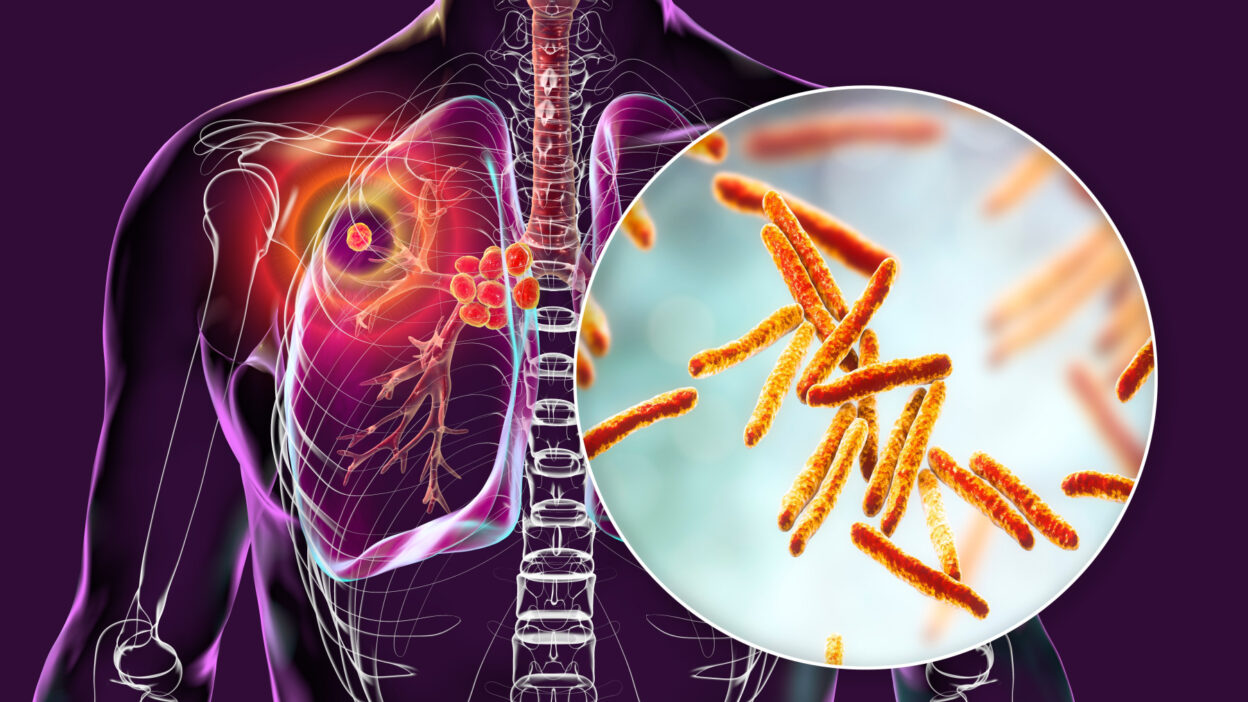
Tuberculosis is an infectious disease caused by a bacterium called Mycobacterium tuberculosis. It most commonly affects the lungs (pulmonary TB) but can also affect other parts of the body such as the brain, spine, kidneys, and lymph nodes (extrapulmonary TB).
TB is not a disease of the past. According to global health authorities, millions of people fall ill with TB every year, and Nigeria is among the countries with a high burden of the disease.
How TB Spreads
TB spreads through the air, not by touch.
When a person with active pulmonary TB:
- coughs
- sneezes
- talks
- sings
they release tiny droplets containing TB bacteria into the air. People nearby can inhale these droplets and become infected, especially in crowded, poorly ventilated spaces.
TB does not spread through:
- sharing food or utensils
- handshakes
- hugging
- sexual contact
TB Infection vs Active TB Disease
Understanding this difference is very important.
Latent TB Infection
- The bacteria are in the body but inactive
- The person has no symptoms
- The person is not contagious
- TB can become active later if immunity weakens
Active TB Disease
- The bacteria are multiplying and causing illness
- The person has symptoms
- The person can spread TB to others
- Immediate treatment is required
Common Symptoms of Tuberculosis
TB symptoms often develop slowly, which is why many people ignore them at first.
Common warning signs include:
- Persistent cough lasting 2 weeks or more
- Coughing up blood or sputum
- Chest pain
- Unexplained weight loss
- Persistent fever
- Night sweats
- Fatigue and weakness
- Loss of appetite
In children, symptoms may include:
- Poor weight gain or growth
- Persistent fever
- Chronic cough
- Reduced activity or playfulness
Any cough lasting more than two weeks should be tested.
Who Is Most at Risk of TB?
TB can affect anyone, but certain groups are more vulnerable:
- People living in crowded or poorly ventilated homes
- Children under 5 years
- People with HIV/AIDS
- People with diabetes or weakened immune systems
- Smokers and people exposed to indoor air pollution
- Healthcare workers
- People living or working in boarding schools, hostels, prisons, or factories
How TB Is Diagnosed
Early and accurate diagnosis saves lives and stops transmission.
Common TB tests include:
- Sputum test (to detect TB bacteria)
- Chest X-ray
- Molecular tests (such as GeneXpert)
- Tuberculin Skin Test (TST) or IGRA (for latent TB)
Doctors may use one or more tests depending on symptoms and age.
Treatment of Tuberculosis
The good news: TB is curable.
TB treatment involves:
- A combination of antibiotics
- Treatment duration of 6 months or longer
- Strict adherence to medication schedule
Stopping treatment early can lead to:
- Treatment failure
- Drug-resistant TB (which is harder and longer to treat)
- Continued spread to others
Many TB treatment programs in Nigeria are free or subsidised through national and partner initiatives.
Drug-Resistant TB (DR-TB)
Drug-resistant TB occurs when TB bacteria do not respond to standard medications—often due to incomplete or incorrect treatment.
DR-TB:
- Requires longer treatment
- Uses stronger medications
- Needs specialised care
This is why completing TB treatment exactly as prescribed is critical.
TB Prevention: What Works
1. Early Testing and Treatment
- Identifying and treating TB early stops spread
2. BCG Vaccination
- Given at birth
- Protects infants and young children from severe forms of TB
3. Good Ventilation
- Open windows and doors
- Avoid overcrowded indoor spaces
4. Infection Control in Schools and Workplaces
- Prompt referral of anyone with chronic cough
- Health education and awareness
- Routine screenings where appropriate
5. Supporting People on TB Treatment
- Reduce stigma
- Encourage treatment completion
TB in Schools and Workplaces
TB can spread easily in schools, offices, factories, and hostels if not addressed.
What institutions should do:
- Include TB awareness in health education programs
- Refer staff or students with persistent cough for testing
- Ensure classrooms and offices are well ventilated
- Partner with healthcare providers for screening and referrals
A structured School Health Program or Workplace Health Plan plays a key role in prevention.
When to See a Doctor
Seek medical care immediately if:
- A cough lasts more than two weeks
- There is unexplained weight loss or night sweats
- A child shows poor growth with persistent fever
- You have been in contact with someone diagnosed with TB
Key Takeaways
- TB is airborne, preventable, and curable
- Early testing saves lives and protects communities
- Completing treatment is essential
- Schools and workplaces play a critical role in TB control
- Awareness reduces stigma and improves outcomes
How Pretty Health Care Can Help
Pretty Health Care supports TB prevention and early detection through:
- Diagnostic services
- Clinic consultations
- School health programs
- Health education and screening referrals
📞 Call: +2348114346325
🌐 Visit: https://prettyhealthcare.com.ng/