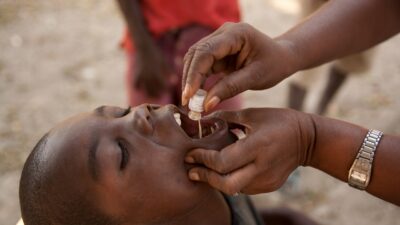
Measles is often mistaken as a “simple childhood illness,” but in reality, it is one of the most contagious and potentially deadly viral diseases known to humanity. Despite the availability of safe and effective vaccines, measles continues to cause outbreaks in many parts of the world, including Nigeria, largely due to low vaccination coverage and misinformation.
Understanding measles, how it spreads, and why vaccination remains critical is essential for parents, schools, businesses, and communities working to protect public health.
What Is Measles?
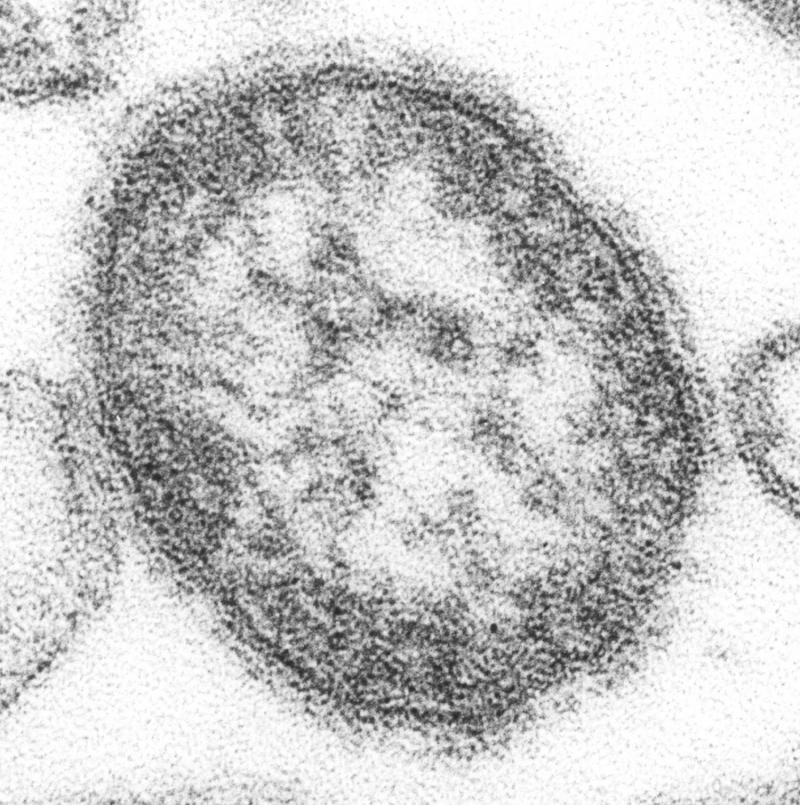
Measles is a highly contagious viral infection caused by the measles virus (a paramyxovirus). It primarily affects children but can occur at any age, especially in unvaccinated individuals.
According to the World Health Organization (WHO), measles remains a leading cause of vaccine-preventable deaths worldwide, despite decades of vaccination efforts.
How Measles Spreads
Measles spreads through:
- Coughing and sneezing
- Close personal contact
- Contact with contaminated surfaces
- Airborne droplets that can remain active for up to 2 hours in enclosed spaces
A single infected person can spread measles to 9 out of 10 unvaccinated people nearby, making it far more contagious than the flu or COVID-19.
Signs and Symptoms of Measles
Symptoms usually appear 7 – 14 days after exposure and occur in stages:
Early Symptoms
- High fever
- Runny nose
- Persistent cough
- Red, watery eyes (conjunctivitis)
- Fatigue and loss of appetite
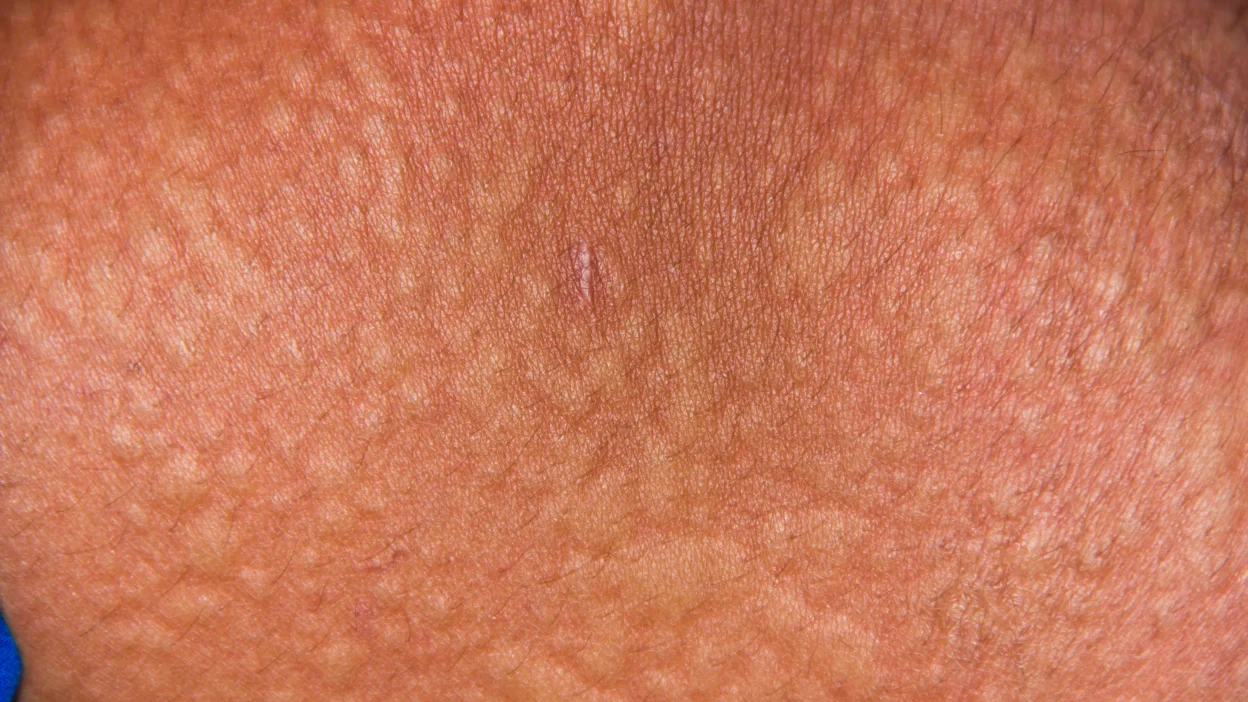
Distinctive Rash
- Red, blotchy rash starting on the face and spreading downward
- Rash typically appears 3 – 5 days after fever begins
Koplik Spots
- Tiny white spots inside the mouth
- A classic sign often seen before the rash appears
Why Measles Is Dangerous
Measles is not just a rash and fever. It can lead to serious and life-threatening complications, especially in children under five and adults over 30.
Possible Complications Include:
- Pneumonia (the most common cause of measles-related death)
- Severe diarrhoea and dehydration
- Ear infections leading to hearing loss
- Brain swelling (encephalitis)
- Blindness
- Death
The CDC reports that 1 – 3 out of every 1,000 infected children may die, even with proper medical care.
Why Vaccination Still Saves Lives
The Measles Vaccine Works
The measles vaccine is usually given as part of the MMR vaccine (Measles, Mumps, and Rubella).
- 1 dose: About 93% effective
- 2 doses: About 97% effective
Once fully vaccinated, most people are protected for life.
Herd Immunity: Protecting the Vulnerable
To prevent measles outbreaks, at least 95% of the population needs to be vaccinated. This protects:
- Infants too young to be vaccinated
- Pregnant women
- People with weakened immune systems
When vaccination rates drop, outbreaks return, a pattern seen globally in recent years.
Measles in Nigeria: Why It Still Matters
Nigeria continues to experience periodic measles outbreaks, particularly in areas with:
- Low routine immunisation coverage
- Poor access to healthcare
- Vaccine hesitancy and misinformation
According to WHO and UNICEF, measles outbreaks are often linked to missed vaccinations, especially in children.
Vaccination remains the most cost-effective and reliable way to prevent measles-related illness and death.
Common Myths About Measles Vaccination
“Measles is a mild childhood illness.”
Measles can cause severe complications and death.
“Vaccines are unsafe.”
Measles vaccines are among the most studied and safest vaccines worldwide.
“Natural infection is better than vaccination.”
Natural infection carries high risk; vaccination provides protection without danger.
Who Should Get Vaccinated?
Children
- First dose: 9 – 12 months (depending on national guidelines)
- Second dose: 15 – 18 months or as recommended
Adolescents and Adults
- Anyone unsure of their vaccination status
- Healthcare workers
- School staff and caregivers
The Role of Schools and Communities
Schools play a critical role in preventing measles outbreaks by:
- Ensuring vaccination records are up to date
- Promoting health education
- Partnering with healthcare providers for screening and immunisation programs
Community-wide vaccination efforts reduce the spread and protect everyone.
How Pretty Health Care Supports Measles Prevention
At Pretty Health Care, we are committed to:
- Promoting routine childhood immunisation
- Providing health education for parents and schools
- Supporting vaccination awareness programs
- Encouraging early testing and preventive healthcare
Prevention is always better and safer than treatment.
Final Thoughts
Measles is preventable, but only when communities commit to vaccination. Every missed vaccine creates an opportunity for the virus to spread, putting lives at risk.
Vaccination does not just protect individuals, it protects families, schools, workplaces, and entire communities. Understanding measles is the first step. Taking action through vaccination is what truly saves lives.