Meningitis is one of the most feared childhood diseases in Nigeria, and for good reason. It can kill within 24 hours of the first symptom. It can leave survivors with permanent deafness, brain damage, limb amputations, or developmental disabilities. And in its early hours, it can look deceptively like a common fever.
Nigeria sits in the heart of the African “Meningitis Belt”, a band of sub-Saharan Africa stretching from Senegal to Ethiopia where meningococcal meningitis is endemic and where major epidemics occur regularly. Every Nigerian parent, caregiver, teacher, and healthcare worker needs to know these signs. This is not optional knowledge. It is life-saving knowledge.
What Is Meningitis?
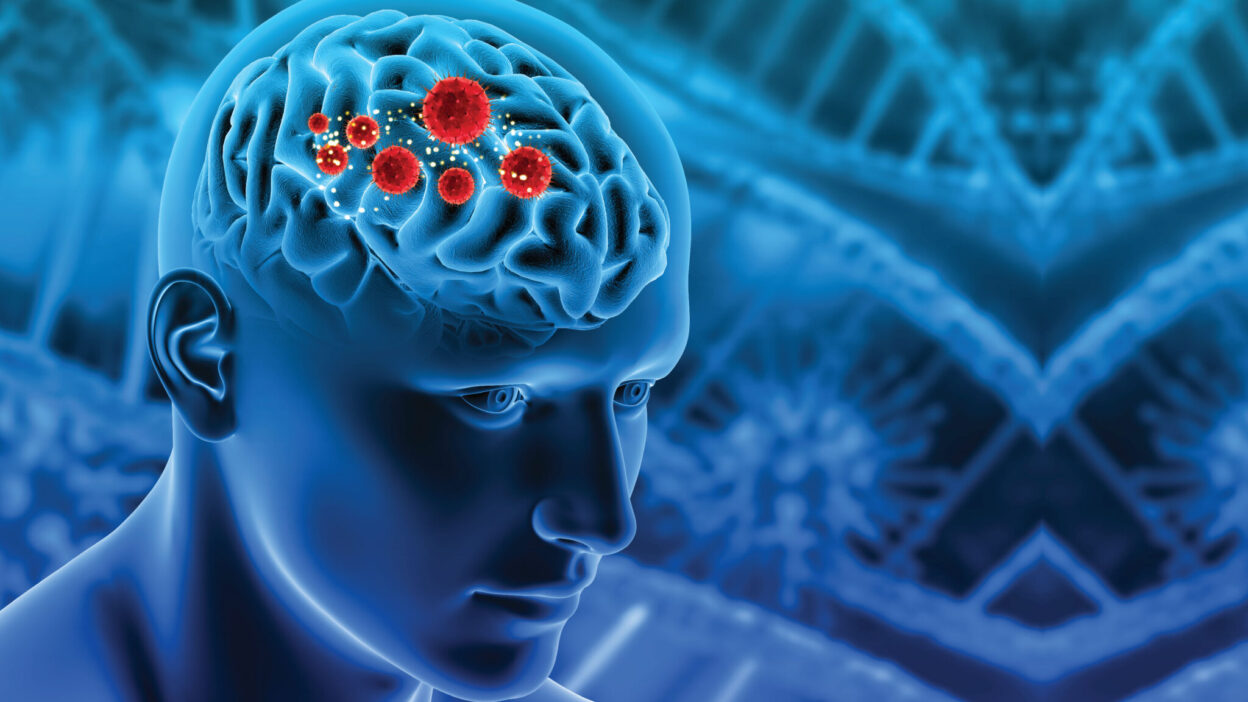
Meningitis is inflammation of the meninges, the three protective membranes that surround and cover the brain and spinal cord. This inflammation is almost always caused by infection.
When bacteria or viruses infect the meninges, they trigger an intense inflammatory response that increases pressure within the skull, disrupts blood flow to the brain, and, if untreated, causes permanent brain damage or death.
Meningitis can affect anyone at any age, but children under 5 and adolescents are at highest risk.
Types of Meningitis
Bacterial Meningitis – The Most Dangerous Type
The most severe and life-threatening form. Bacterial meningitis can kill within 24-48 hours and must be treated as a medical emergency. The main bacterial causes in Nigeria are:
Neisseria meningitidis (meningococcal meningitis): The most feared cause in Nigeria. Spreads through respiratory droplets from coughing, sneezing, or close contact. Responsible for major epidemics across the meningitis belt. Can cause septicaemia (blood poisoning) alongside meningitis, a combination that is rapidly fatal if untreated.
Streptococcus pneumoniae (pneumococcal meningitis): A leading cause of bacterial meningitis in children under 2 and older adults. The same bacteria that causes pneumonia and ear infections.
Haemophilus influenzae type b (Hib): Once a major cause of childhood meningitis; now largely preventable with the Hib vaccine.
Listeria monocytogenes: Affects newborns, pregnant women, elderly, and immunocompromised individuals.
Group B Streptococcus: A major cause of neonatal meningitis in newborns in the first month of life.
Viral Meningitis – Usually Less Severe
Caused by viruses, most commonly enteroviruses. Generally less severe than bacterial meningitis, often resolves on its own with supportive care, and rarely fatal in healthy individuals. However, some viral causes, including herpes simplex virus and mumps, can cause severe disease.
Tuberculous Meningitis
Meningitis caused by Mycobacterium tuberculosis, the TB bacterium. Develops slowly over days to weeks. A serious and important cause of meningitis in Nigeria given the country’s high TB burden. Requires prolonged anti-TB treatment.
Fungal Meningitis
Caused by Cryptococcus neoformans, it primarily affects people with severely weakened immune systems, particularly those with advanced HIV. A significant cause of meningitis-related death in Nigeria’s HIV-positive population.
Warning Signs of Meningitis
Speed is everything with meningitis. Knowing these signs and acting within hours, not days, determines the outcome.
Classic Signs in Older Children and Adults
1) Severe, Sudden Headache: Described as the worst headache of their life, an intense, crushing pain that comes on rapidly. Unlike typical headaches, it does not respond to ordinary painkillers.
2) High Fever: A high temperature that develops quickly, often with no obvious source. The combination of high fever and severe headache is a critical warning sign.
3) Neck Stiffness (Nuchal Rigidity): The hallmark clinical sign of meningitis. The inflammation of the meninges causes extreme stiffness of the neck; the person cannot bend their chin toward their chest without severe pain. Ask the person to try this. If they cannot, or resist because of pain, this is a medical emergency.
4) Sensitivity to Light (Photophobia): The person cannot tolerate bright light; they turn away from light, cover their eyes, or ask for the lights to be turned off. Even normal room light causes intense discomfort.
5) Sensitivity to Noise (Phonophobia): Loud sounds are painful and distressing.
6) Nausea and Vomiting: Often projectile, not related to eating. Caused by increased intracranial pressure.
7) Altered Consciousness and Confusion: Drowsiness, confusion, disorientation, difficulty waking. A person with meningitis who is unusually difficult to rouse is in a dangerous state.
8) Seizures: Can occur as the inflammation spreads and pressure within the skull increases. A new seizure in a person with fever and headache requires immediate emergency care.
The Meningococcal Rash – A Critical Sign
In meningococcal disease (when the bacteria enters the bloodstream causing septicaemia alongside meningitis), a characteristic rash develops:
- Starts as small, flat, pink or red spots similar to flea bites
- Rapidly spreads and turns into purple-red, non-blanching spots or patches called petechiae or purpura
- The glass test: Press a clear glass firmly against the rash. If the spots do not fade or disappear under pressure, this is a meningococcal rash. This is a life-threatening emergency; go to a hospital immediately.
On dark Nigerian skin, this rash can be difficult to see on the body; check the palms, soles, inside of the eyelids, and the roof of the mouth where it may be more visible.
The absence of a rash does not rule out meningitis. Not all meningitis cases produce a rash.
Signs in Babies and Young Children – Different and Harder to Recognise
Babies cannot tell you they have a headache or that light hurts. Signs in infants include:
- High-pitched, unusual cry: a distinctive, moaning cry unlike the baby’s normal cry
- Bulging fontanelle: the soft spot on the top of the baby’s head bulges outward (caused by increased pressure inside the skull)
- Extreme irritability: the baby cries more than usual and cannot be comforted; may cry more when picked up or handled
- Refusing feeds: a baby who normally feeds well suddenly refuses
- Pale, blotchy, or mottled skin: skin that looks uneven in colour
- Floppiness or limpness: the baby is unusually floppy when held
- Blank, staring expression: unresponsive to the parent’s face or voice
- Seizures: fits or jerking movements
- Cold hands and feet despite high fever
- The rash: as described above; check the whole body, palms, and soles
A baby does not need to have ALL of these signs to have meningitis. Even two or three of these signs together in a young infant warrants immediate hospital assessment.
How Meningitis Spreads
Bacterial meningitis (meningococcal): Spreads through respiratory droplets and saliva, coughing, sneezing, kissing, or sharing utensils or drinks with an infected person. Living in close quarters, dormitories, boarding schools, barracks, and crowded homes increases risk significantly.
Viral meningitis: Spreads through contact with saliva, mucus, or faeces of infected people through coughing, sneezing, or poor hand hygiene.
Meningitis is not as easily transmitted as the common cold. Casual contact, such as being in the same room, is generally not sufficient for transmission of bacterial meningitis. Prolonged close contact is the primary risk.
Nigeria’s Specific Meningitis Risk
Nigeria is in the African Meningitis Belt and experiences seasonal meningococcal epidemics, particularly during the dry season (December-June), when harmattan winds, dry air, and overcrowding create optimal conditions for the bacteria to spread.
Northern Nigeria, particularly states like Sokoto, Kebbi, Zamfara, Niger, and Katsina, has historically been most severely affected by epidemic meningococcal disease. However, sporadic cases occur throughout the country.
Risk factors specific to Nigeria:
- Boarding school students, close dormitory living
- Pilgrims travelling to Mecca for Hajj and Umrah are required to show meningococcal vaccination
- University students in shared hostels
- Military personnel
- Healthcare workers
- Communities in the meningitis belt during dry season outbreaks
Diagnosis
Meningitis diagnosis requires urgent hospital assessment. Tests include:
Lumbar puncture (spinal tap): The definitive diagnostic test. A needle is inserted into the lower back to collect a sample of cerebrospinal fluid (CSF), the fluid surrounding the brain and spinal cord. The CSF is analysed for white cells, bacteria, and other markers. In bacterial meningitis, the CSF is cloudy with high white cell counts and bacteria present.
Blood cultures: To identify the causative bacteria and guide antibiotic selection.
Full blood count and inflammatory markers: Elevated white cell count and CRP indicate severe infection.
CT scan: To assess for brain swelling before lumbar puncture, important when there are signs of severely raised intracranial pressure.
Important: If bacterial meningitis is strongly suspected, antibiotics should be started immediately before the results of investigations are back. The cost of delaying treatment to wait for results is measured in lives and brain cells.
Treatment
Bacterial Meningitis
Medical emergency requiring immediate hospitalisation and intravenous antibiotics. Treatment is started immediately without waiting for confirmation when bacterial meningitis is clinically suspected.
Common antibiotics used: ceftriaxone, cefotaxime, or penicillin depending on the suspected organism and local resistance patterns. Dexamethasone (a steroid) is given alongside antibiotics to reduce inflammation and lower the risk of complications like deafness.
Treatment lasts 7-21 days depending on the causative organism.
Viral Meningitis
Most cases are managed with rest, fluids, and pain relief. Hospitalisation is needed for severe cases or when bacterial meningitis cannot be ruled out. Antiviral medication (acyclovir) is used for herpes meningitis.
Tuberculous Meningitis
Long-course anti-TB treatment is typically 9-12 months alongside steroids to reduce inflammation.
Prevention: Vaccination Is the Most Powerful Tool
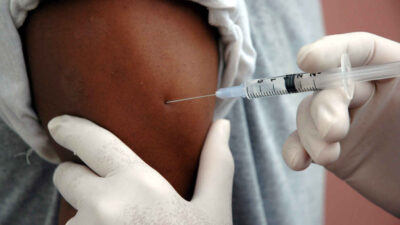
Meningococcal Vaccine
Protects against the most common epidemic-causing strains of Neisseria meningitidis. Particularly recommended for:
- Children in or travelling to the meningitis belt
- Students entering boarding school or university hostels
- Hajj and Umrah pilgrims, required by Saudi Arabia
- Military recruits
- Healthcare workers
Pneumococcal Vaccine (PCV)
The pneumococcal conjugate vaccine (PCV13) is now part of Nigeria’s routine childhood immunisation schedule. It protects against Streptococcus pneumoniae, a leading cause of bacterial meningitis in young children. Administered at 6, 10, and 14 weeks of age. Ensure your baby receives all three doses.
Hib Vaccine
Protects against Haemophilus influenzae type b meningitis. Also part of Nigeria’s routine childhood immunisation schedule (as part of the pentavalent vaccine). Has dramatically reduced Hib meningitis in countries with high vaccination coverage.
Meningitis B Vaccine
Newer vaccine protecting against meningococcal serogroup B – not yet widely available in Nigeria but available in selected private clinics. Discuss with your clinician.
At Pretty Healthcare, meningococcal and other childhood vaccines are available. Ensure your child’s vaccinations are complete and up to date.
Complications of Meningitis
Even with treatment, bacterial meningitis can cause serious long-term complications:
- Hearing loss: the most common complication; can range from partial to total deafness. All meningitis survivors should have their hearing tested.
- Brain damage: affecting memory, concentration, behaviour, and cognitive development
- Limb loss: in meningococcal septicaemia, blood supply to the extremities can be cut off, requiring amputation
- Vision loss
- Epilepsy: recurrent seizures following brain inflammation
- Learning and developmental difficulties in children
- Waterhouse-Friderichsen syndrome: catastrophic adrenal gland failure in severe meningococcal septicaemia; often fatal
These complications reinforce why speed of treatment is everything; every hour of delay worsens outcomes.
What to Do If You Suspect Meningitis
Do not wait. Do not give paracetamol and monitor at home. Do not go to a pharmacy first.
If you see:
- A child or adult with high fever + severe headache + neck stiffness
- A baby with high-pitched cry + bulging fontanelle + extreme irritability + rash
- Any non-blanching rash (does not fade under glass) in anyone with fever
Go directly to the nearest hospital emergency department immediately.
Tell the triage staff: “I think this may be meningitis.” This will ensure the person is seen and treated without delay.
Quick Summary
| What is it? | Inflammation of membranes surrounding the brain, usually from infection |
| Most dangerous type? | Bacterial can kill within 24 hours |
| Classic signs (older children/adults) | Severe headache, high fever, neck stiffness, light sensitivity |
| Signs in babies | High-pitched cry, bulging fontanelle, extreme irritability, floppiness |
| Emergency sign | Non-blanching rash; go to hospital immediately |
| Nigeria-specific risk | Meningitis Belt, especially dry season, northern states |
| Prevention | Vaccination – PCV, Hib, meningococcal vaccines |
| Most important action | Go to hospital immediately – do not wait |
Bottom Line
Meningitis is rapid, brutal, and often mistaken for something less serious until it is too late. In Nigeria, a country sitting in the world’s meningitis belt, awareness of these signs is not just useful; it is urgent. Know the signs. Act immediately. And vaccinate your children fully and on time. A vaccine given today could prevent a tragedy tomorrow.
Book meningococcal vaccination or check your child’s immunisation schedule at Pretty Healthcare, Ikeja, Lagos – prettyhealthcare.com.ng/vaccine/ or chat with our health advisor on WhatsApp. Monday – Friday: 8 am – 5 pm | Saturday: 9 am – 4 pm.