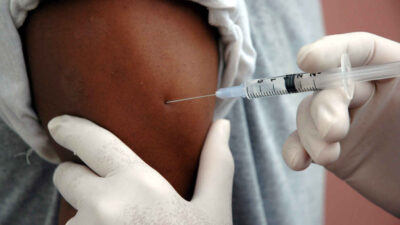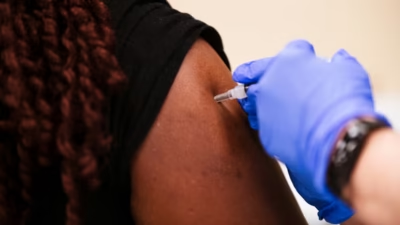
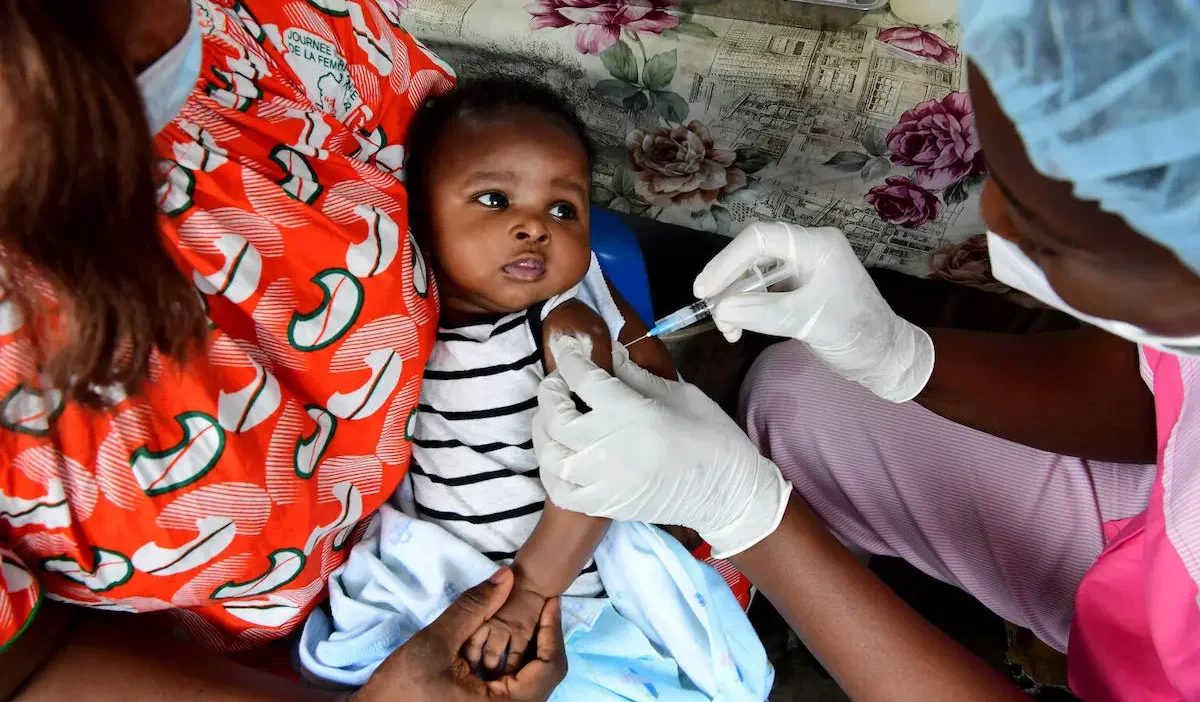
Every parent wants to protect their child. Yet every day in Nigeria, children die from diseases that a simple, affordable vaccine could have prevented. Measles. Meningitis. Whooping cough. Diphtheria. Diseases that have been largely eliminated in other parts of the world continue to kill and disable Nigerian children not because vaccines are unavailable, but because too many children do not receive them on time, or at all.
This article is a complete guide to the Nigerian childhood vaccination schedule, what each vaccine protects against, when it is due, what to expect, and how to make sure your child does not miss a single dose.
Why Vaccines Matter: The Basic Science
When a baby is born, their immune system is immature. They carry some temporary protection from their mother’s antibodies, but this fades within the first few months of life, leaving them vulnerable to serious infections at exactly the age when those infections are most dangerous.
Vaccines work by introducing the immune system to a harmless version of a pathogen a weakened or killed form, or just a piece of its protein so the body can build a defence without the child ever having to suffer the disease. If the vaccinated child later encounters the real pathogen, their immune system recognises and destroys it quickly.
The protection is real, measurable, and lifesaving. Countries that achieve high vaccination coverage see dramatic falls in child mortality. Nigeria’s Expanded Programme on Immunisation (EPI) has been delivering vaccines since the 1970s, but coverage gaps remain, particularly in rural areas and in families who miss follow-up visits.
Nigeria’s Routine Childhood Vaccination Schedule
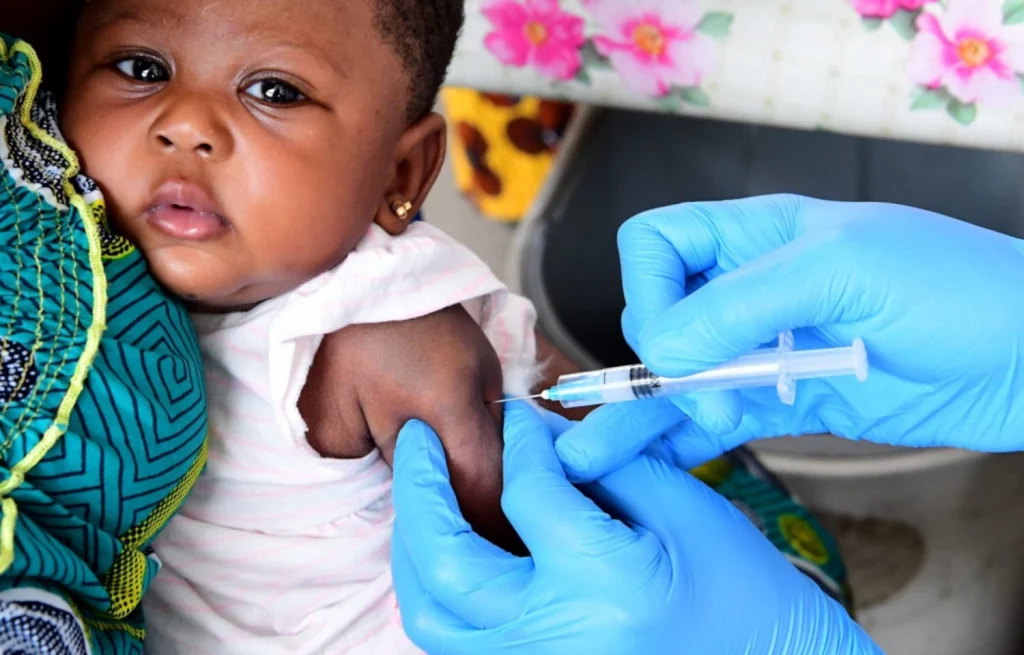
The schedule below is based on the Nigerian National Primary Health Care Development Agency (NPHCDA) routine immunisation schedule, aligned with WHO recommendations.
At Birth (Within 24 Hours)
BCG (Bacillus Calmette-Guérin) Protects against: Tuberculosis (TB), particularly the most severe forms that affect young children, including TB meningitis. Given as: A single injection into the skin of the upper left arm. Leaves a small scar — this is normal and expected. Why now: TB is endemic in Nigeria. Newborns are highly vulnerable to its most dangerous forms.
Oral Polio Vaccine (OPV0) – “Birth Dose” Protects against: Poliomyelitis (polio), a viral disease that can cause permanent paralysis. Given as: Drops by mouth. Why now: Early priming of gut immunity before the child leaves the hospital or birth facility.
Hepatitis B (HBV1) – Birth Dose Protects against: Hepatitis B, a viral liver infection that can cause cirrhosis and liver cancer in adulthood. Given as: Injection. Why now: Hepatitis B is common in Nigeria. A mother with hepatitis B can pass the virus to her baby during delivery. The birth dose given within 24 hours dramatically reduces this risk. This is one of the most time-critical vaccines in the schedule.
6 Weeks (1½ Months)
OPV1 Second polio dose Pentavalent Vaccine (Penta1): A single injection that protects against five diseases:
- Diphtheria: a bacterial infection causing a membrane in the throat that can suffocate a child
- Pertussis (Whooping Cough): a severe respiratory infection causing violent, prolonged coughing fits. Deadly in infants under 6 months.
- Tetanus: causes severe, painful muscle spasms. Neonatal tetanus remains a cause of infant death in Nigeria.
- Haemophilus influenzae type b (Hib): a leading cause of bacterial meningitis and pneumonia in children under 5
- Hepatitis B: second dose
Pneumococcal Conjugate Vaccine (PCV1) Protects against: Streptococcus pneumoniae, the most common cause of bacterial pneumonia and a significant cause of meningitis in young children. Pneumonia kills more children in Nigeria than almost any other disease.
Rotavirus Vaccine (RV1) Protects against: Rotavirus, the most common cause of severe diarrhoea in children under 5. Rotavirus gastroenteritis causes dangerous dehydration and kills thousands of Nigerian children annually. Given as: Drops by mouth.
Meningococcal C Vaccine (MenC1) (where available) Protects against: Serogroup C meningococcal meningitis.
10 Weeks (2½ Months)
OPV2 – Third polio dose Penta2 – Second pentavalent dose PCV2 – Second pneumococcal dose RV2 – Second rotavirus dose
14 Weeks (3½ Months)
OPV3 – Fourth polio dose; Penta3 Third pentavalent dose; PCV3 Third pneumococcal dose IPV (Inactivated Polio Vaccine) is an injectable polio vaccine given alongside OPV to strengthen immunity and provide additional protection. This combination approach reflects Nigeria’s commitment to polio eradication.
6 Months
Vitamin A Supplementation: Not a vaccine, but a critical supplement given at 6 months and every 6 months thereafter until age 5. Vitamin A deficiency is common in Nigeria and significantly increases susceptibility to severe infections, measles complications, and blindness.
OPV Booster: Where indicated in supplementary immunisation activities.
9 Months
Measles-Rubella (MR) Vaccine – First Dose Protects against:
- Measles: a highly contagious viral disease that causes fever, rash, and in serious cases, pneumonia, encephalitis (brain inflammation), and death. Measles outbreaks continue to occur in Nigeria.
- Rubella: a viral infection that is dangerous not in children but in pregnant women, where it can cause severe birth defects (congenital rubella syndrome) in the unborn baby.
Yellow Fever Vaccine Protects against: Yellow fever, a mosquito-borne viral haemorrhagic fever. Nigeria is in the yellow fever endemic zone. This is a lifelong vaccine; one dose protects for life. The yellow card issued at vaccination is an important travel document.
Meningococcal A Vaccine (MenAfriVac) Protects against: Serogroup A meningococcal meningitis. Nigeria sits in Africa’s Meningitis Belt, which runs across the sub-Saharan region from Senegal to Ethiopia. As covered in our meningitis article, meningitis can kill a child within 24 hours of first symptoms.
12 Months
Vitamin A Supplementation – Second dose
15 Months
Measles-Rubella (MR) – Second Dose. The second MR dose closes the immunity gap. A single dose protects approximately 85–95% of children; the second dose protects the remaining group and strengthens immunity across the board.
Quick Reference: Complete Vaccination Schedule
| Age | Vaccines |
| Birth (0–24 hrs) | BCG, OPV0, HBV1 |
| 6 Weeks | OPV1, Penta1, PCV1, RV1 |
| 10 Weeks | OPV2, Penta2, PCV2, RV2 |
| 14 Weeks | OPV3, Penta3, PCV3, IPV |
| 6 Months | Vitamin A |
| 9 Months | MR1, Yellow Fever, MenA |
| 12 Months | Vitamin A |
| 15 Months | MR2 |
Vaccines Available at Private Clinics (Beyond the Government Schedule)
The government EPI schedule covers the most critical vaccines. However, some additional vaccines not yet fully integrated into the government programme are available at private clinics and are recommended by WHO and paediatric associations:
Varicella (Chickenpox) Vaccine: Given at 12-15 months, with a second dose at 4-6 years. Chickenpox is highly contagious and, while usually mild, can cause serious complications including bacterial skin infections, pneumonia, and encephalitis.
Hepatitis A Vaccine: Two doses starting at 12 months. Hepatitis A spreads through contaminated food and water, extremely relevant in Nigeria’s context.
Typhoid Conjugate Vaccine (TCV): A newer typhoid vaccine offering longer-lasting protection than older formulations. Recommended from 6 months in typhoid-endemic areas — which includes most of Nigeria.
Influenza (Flu) Vaccine: Annual vaccine for children 6 months and above. Influenza causes significant illness in young children and can lead to serious complications including pneumonia.
HPV Vaccine: Recommended for girls aged 9–14. Protects against the HPV strains that cause cervical cancer. As covered in our HPV article, cervical cancer is one of the leading cancer killers of Nigerian women, and it is preventable. This vaccine, given before sexual debut, is one of the most important cancer-prevention tools available.
At Pretty Healthcare, all recommended childhood vaccines, including those outside the government schedule, are available. Our team can advise on catch-up schedules for children who have missed doses.
What to Expect After Vaccination
Normal reactions: most are mild and resolve within 1-2 days:
- Mild fever (especially after Penta vaccine)
- Soreness, redness, or swelling at the injection site
- Fussiness, crying, or unsettled sleep
- Reduced appetite
What to do:
- Breastfeed or offer fluids frequently
- A light wrap of the injection site if swollen
- Paracetamol (at the correct infant dose as advised by your clinician) for fever or discomfort
Seek medical advice if your child has:
- High fever above 39°C that does not come down
- Persistent crying for more than 3 hours
- Seizures or convulsions
- Significant swelling beyond the injection site
- Any symptom that worries you
Serious adverse reactions to vaccines are rare, far rarer than the serious complications of the diseases the vaccines prevent.
Common Concerns Nigerian Parents Have About Vaccines
“My child has a mild cold; should I postpone the vaccine?” A minor illness like a cold or mild fever is not a reason to postpone vaccination. Children with mild illness should still be vaccinated on schedule. Only significant illness high fever, serious infection is a reason to delay and discuss with your doctor.
“The injection made my baby sick; vaccines cause disease.” Mild reactions after vaccination (fever, fussiness, soreness) are the immune system responding and building protection, not the child getting the disease. These reactions are brief and far preferable to the diseases themselves.
“My child missed a dose; do we have to start from scratch?” No. Missed doses should be caught up as soon as possible. You do not need to restart the schedule. Catch-up vaccination is as effective as on-schedule vaccination. Bring your child’s vaccination card to the clinic.
“The vaccines in government clinics are expired or not stored properly.” Vaccine cold chain management is a real challenge in Nigeria’s public health system. Private clinics with dedicated refrigeration equipment and trained staff offer assurance of proper vaccine storage. If you have concerns about public clinic vaccine quality, a private clinic is a reliable alternative.
“So many injections at once; isn’t it too much for my baby?” A baby’s immune system can handle multiple vaccines simultaneously. The schedule is designed this way deliberately to provide protection early and to reduce the number of clinic visits families need to make. The safety profile of combination vaccination is well established by decades of research.
The Vaccination Card: Protect It Like a Document
Every child in Nigeria should have a vaccination card. This card is:
- The official record of every vaccine your child has received
- Required for school enrolment
- Required for travel (especially the yellow fever card)
- Essential for any healthcare provider managing your child
Keep it safe, dry, and accessible. Bring it to every clinic visit for routine care, illness, or vaccination. If it is lost, visit the clinic where your child was vaccinated to have records traced and a replacement issued.
Nigeria-Specific Facts You Should Know
- Nigeria has one of the largest unvaccinated child populations in the world
- Nigeria was endemic for wild poliovirus until 2020, when it was officially declared polio-free. Maintaining this status requires sustained vaccination coverage
- Measles outbreaks occur regularly in Nigeria because vaccination coverage remains below the 95% threshold needed for herd immunity
- Many Nigerian children receive birth vaccines but miss the 6-week and subsequent doses; the follow-up visits are as important as the birth vaccinations
- The yellow fever vaccine card is required for international travel from Nigeria and is checked at borders; children should receive this vaccine at the 9-month visit
When to See a Clinician
- If your child has not received any vaccines and is past the due age, come in for a catch-up assessment
- If you are unsure which vaccines your child has had
- If your vaccination card is lost
- If your child missed any scheduled dose
- If you want to add vaccines beyond the government schedule (chickenpox, Hepatitis A, typhoid, influenza, HPV)
Quick Summary
| When does vaccination start? | At birth within 24 hours |
| Most time-critical birth vaccine | Hepatitis B, must be given within 24 hours |
| Most common first-year visits | Birth, 6 weeks, 10 weeks, 14 weeks, 9 months |
| Yellow fever vaccine | At 9 months – protects for life |
| What if a dose is missed? | Catch up as soon as possible; do not restart |
| Vaccination card | Keep it safe; it’s your child’s official record |
Bottom Line
Every vaccine on the Nigerian childhood schedule protects against a disease that can kill or permanently disable a child. The schedule is built around a child’s most vulnerable months because the diseases it protects against are most dangerous in those early months. No dose is unimportant. No visit should be skipped. If your child has missed doses, it is not too late to bring them in and catch up. A few clinic visits in the first 15 months of life could be the most important thing you ever do for your child’s health.
Book your child’s vaccinations at Pretty Healthcare, Ikeja, Lagos. prettyhealthcare.com.ng/vaccine/ or chat with our health advisor on WhatsApp. Monday – Friday: 8am – 5pm | Saturday: 9am – 4pm.