Sexually transmitted infections (STIs) are far more common in Nigeria than most people realize, and far more silent. The majority of people living with an STI have no symptoms at all. No pain, no sores, no unusual discharge. Nothing that signals something is wrong. Yet left undetected and untreated, many STIs cause serious long-term harm including infertility, chronic pain, increased cancer risk, and complications in pregnancy.
The stigma around STIs in Nigeria means many people avoid testing, delay seeking care, or treat themselves with over-the-counter antibiotics without a proper diagnosis. This article breaks through the silence with straightforward, factual information about the most common STIs in Nigeria; what they are, how they spread, what symptoms to watch for (or not expect), and what to do if you think you may be at risk.
How STIs Spread
STIs are infections passed from one person to another primarily through:
- Vaginal, anal, or oral sex with an infected person
- Skin-to-skin genital contact even without penetration (herpes, HPV)
Other ways most STIs can also be transmitted are:
- Blood-to-blood contact sharing needles, unscreened blood transfusions (HIV, Hepatitis B and C)
- From mother to child during pregnancy, childbirth, or breastfeeding (HIV, syphilis, herpes, gonorrhoea)
STIs do not spread through casual contact like hugging, sharing food or toilets, handshakes, or swimming pools.
The Most Common STIs in Nigeria
1) Chlamydia
What it is: A bacterial infection caused by Chlamydia trachomatis. It is one of the most common STIs globally and highly prevalent in Nigeria, particularly among young sexually active adults.
Why it is dangerous: Chlamydia is called a “silent infection” because up to 70-80% of women and 50% of men have no symptoms. It can quietly damage the reproductive tract for months or years without detection.
Symptoms when present:
- Unusual vaginal or penile discharge
- Burning sensation when urinating
- Pain or swelling in the testicles (men)
- Pain during sex or bleeding between periods (women)
- Rectal pain or discharge (if anal infection)
Complications if untreated:
- Pelvic inflammatory disease (PID) in women is a leading cause of infertility and chronic pelvic pain
- Epididymitis in men – inflammation that can affect fertility
- Increased risk of HIV transmission
- Premature birth and eye infections in newborns
Treatment: Antibiotics (azithromycin or doxycycline). Highly effective when caught early. Both partners must be treated.
2) Gonorrhoea
What it is: A bacterial infection caused by Neisseria gonorrhoeae. Like chlamydia, it is very common and often occurs alongside it.
Symptoms:
- Thick yellow, white, or green discharge from the penis or vagina
- Burning or pain when urinating
- Increased vaginal discharge
- Sore throat (if oral infection)
- Rectal discomfort or discharge
Many women and some men have no symptoms at all.
Complications if untreated:
- PID and infertility in women
- Epididymitis and infertility in men
- Spread to joints and blood (disseminated gonococcal infection) causes fever, joint pain, and skin sores
- Blindness in newborns if passed during delivery
Treatment: Antibiotics, but gonorrhoea has developed significant antibiotic resistance globally. Self-medication with random antibiotics is a major driver of resistance. Always test and treat with the correct prescribed medication.
3) Syphilis
What it is: A bacterial infection caused by Treponema pallidum. Syphilis progresses in stages and can cause severe, life-threatening complications if not treated.
Stages and symptoms:
Primary syphilis (week 1-3 after exposure):
- A single painless sore (chancre) at the site of infection – genitals, anus, lips, or mouth. Because it is painless and may be hidden inside the vagina or rectum, many people never notice it. It heals on its own within 3-6 weeks but this does not mean the infection is gone.
Secondary syphilis (weeks to months later):
- A rash on the body, including palms of hands and soles of feet (distinctive)
- Flu-like symptoms like fever, fatigue, sore throat, swollen lymph nodes
- Sores in the mouth, vagina, or anus
Latent syphilis:
- No symptoms but the bacteria remain in the body and can reactivate
Tertiary syphilis (years later if untreated):
- Damage to the heart, brain, nerves, eyes, and other organs
- Can be fatal
Congenital syphilis: Syphilis passed from mother to baby during pregnancy is a serious and sadly common problem in Nigeria, causing stillbirth, premature birth, and severe infant disability.
Treatment: Penicillin injection is highly effective at all stages. Early treatment prevents all long-term complications.
4) Herpes (HSV-1 and HSV-2)
What it is: A viral infection caused by Herpes Simplex Virus. HSV-1 typically causes oral herpes (cold sores); HSV-2 typically causes genital herpes but either type can affect either location.
Key facts:
- Herpes is extremely common – the WHO estimates that two-thirds of people under 50 globally carry HSV-1
- Most people with genital herpes have mild or no symptoms and do not know they are infected
- Herpes is a lifelong infection – the virus stays in the body and can reactivate periodically
- It spreads through skin contact even when no sores are visible (asymptomatic shedding)
Symptoms when present:
- Painful blisters or sores on or around the genitals, buttocks, or thighs
- Tingling, itching, or burning before sores appear
- Flu-like symptoms during the first outbreak (fever, body aches, swollen lymph nodes)
- Sores heal within 2-4 weeks; recurrences are usually milder
Complications:
- Neonatal herpes – a serious, potentially fatal infection in newborns if the mother has an active genital herpes outbreak during delivery
- Increased risk of HIV transmission
- Psychological distress due to stigma
Treatment: There is no cure, but antiviral medications (acyclovir, valacyclovir) reduce the frequency, severity, and duration of outbreaks and lower (but do not eliminate) transmission risk.
5) HPV (Human Papillomavirus)
Already covered in depth in our HPV article, HPV is the most common STI in the world. Most infections clear on their own, but high-risk strains cause cervical cancer, and other strains cause genital warts.
Key reminder: The HPV vaccine is available at Pretty Healthcare and is the most effective prevention tool. Regular cervical screening detects cell changes before they become cancer.
6) Hepatitis B
What it is: A viral liver infection spread through blood, sexual contact, and from mother to child. Hepatitis B is highly prevalent in Nigeria; the country has one of the highest hepatitis B burden rates in Africa.
Symptoms:
- Many people have no symptoms in the acute phase
- When symptoms occur: jaundice (yellowing of eyes and skin), dark urine, fatigue, nausea, abdominal pain, fever
- Chronic hepatitis B (lasting more than 6 months) often produces no symptoms until liver damage is advanced
Complications if untreated:
- Chronic liver disease
- Liver cirrhosis
- Liver cancer is one of the leading causes of cancer death in Nigeria
Prevention: A safe and effective vaccine exists for hepatitis B. It is part of Nigeria’s routine childhood immunisation schedule, but many adults remain unvaccinated. Testing and vaccination are available at Pretty Healthcare.
Treatment: No cure for chronic hepatitis B, but antiviral medications manage the virus and prevent liver damage. Regular monitoring is essential.
7) HIV (Human Immunodeficiency Virus)
HIV deserves its own detailed article and we have covered it in depth separately. In brief:
- HIV is spread through blood, sexual fluids, and breast milk
- It attacks the immune system, and if untreated, progresses to AIDS
- Most people have no symptoms for years after infection, the only way to know is to test
- With antiretroviral therapy (ART), people with HIV can live long, healthy lives and have undetectable viral loads that cannot be transmitted to others
- Testing is the critical first step. Know your status.
How to Know If You Have an STI: The Only Reliable Way Is to Test
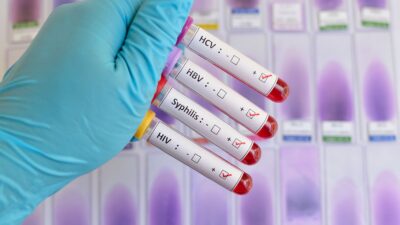
This is the most important message in this entire article. You cannot reliably tell if you have an STI based on symptoms alone and in most cases, there are no symptoms at all.
Testing is the only way to know.
Who should get tested:
- Anyone who is sexually active and has not been tested recently
- Anyone with a new sexual partner
- Anyone whose partner has been diagnosed with an STI
- Anyone experiencing unusual discharge, sores, burning, or pelvic pain
- Pregnant women – STI screening is a standard part of antenatal care
- Anyone who has had unprotected sex
How often:
- At least once a year if you are sexually active
- Every 3-6 months if you have multiple partners
- Immediately if you have had a potential exposure
STI Prevention: What Actually Works
- Condoms: used correctly and consistently, condoms significantly reduce the risk of most STIs. They are not 100% effective (herpes and HPV can spread from uncovered skin) but are still the most accessible prevention tool.
- Vaccination: available for HPV and Hepatitis B. Get vaccinated if you have not already.
- Mutual testing: both partners testing before a new sexual relationship removes uncertainty
- Limit number of partners: the more partners, the higher the cumulative exposure risk
- Regular screening: catching infections early prevents complications and stops onward transmission
- Avoid sharing needles or razors: relevant for HIV, Hepatitis B and C
Nigeria-Specific Context
- STI stigma in Nigeria is a significant barrier to testing and treatment; many people treat themselves at pharmacies without a diagnosis, which drives antibiotic resistance and delays proper care
- Gonorrhoea antibiotic resistance is a growing problem across Nigeria due to widespread antibiotic self-medication
- Congenital syphilis remains a serious public health problem, pregnant women should be tested for syphilis at their first antenatal visit
- HIV and Hepatitis B co-infection is common in Nigeria and requires specialised management
- Many STIs disproportionately affect young people aged 15-34; the age group least likely to seek testing due to stigma and lack of awareness
When to See a Clinician
See a healthcare provider promptly if you:
- Notice unusual discharge, sores, rashes, or burning during urination
- Have had unprotected sex with a new or unknown partner
- Have been told a recent partner has been diagnosed with an STI
- Are pregnant and have not been screened for STIs
- Have not been tested for STIs in the past 12 months and are sexually active
At Pretty Healthcare, confidential STI testing and treatment is available. You can walk in or book an appointment; no judgment, just care.
Bottom Line
The most common STIs in Nigeria are chlamydia, gonorrhoea, syphilis, herpes, HPV, hepatitis B, and HIV – share one thing in common: most cause no obvious symptoms, and most can be managed or cured when caught early. The barrier is not treatment.
The barrier is testing. Getting tested is not an admission of wrongdoing, it is a responsible act of care for your own health and the health of your partner. Do not wait for symptoms. Test regularly, treat promptly, and protect yourself.
Book a confidential STI screening at Pretty Healthcare, Ikeja Lagos – prettyhealthcare.com.ng/diagnostics or chat with our health advisor on WhatsApp. Monday – Friday: 8am – 5pm | Saturday: 9am – 4pm.