If someone asked you right now, what is your blood group? Could you answer without hesitation? Many Nigerians cannot. And while it may seem like a minor detail, not knowing your blood group is a gap in your health knowledge that can have serious, even life-threatening consequences.
Your blood group is not just a fact for your medical file. It is information that becomes urgently relevant in emergencies, during pregnancy, before surgery, when donating blood, and even when planning a family. This article explains everything you need to know about blood groups; what they are, why they matter, and why every Nigerian should know theirs today.
What Is a Blood Group?
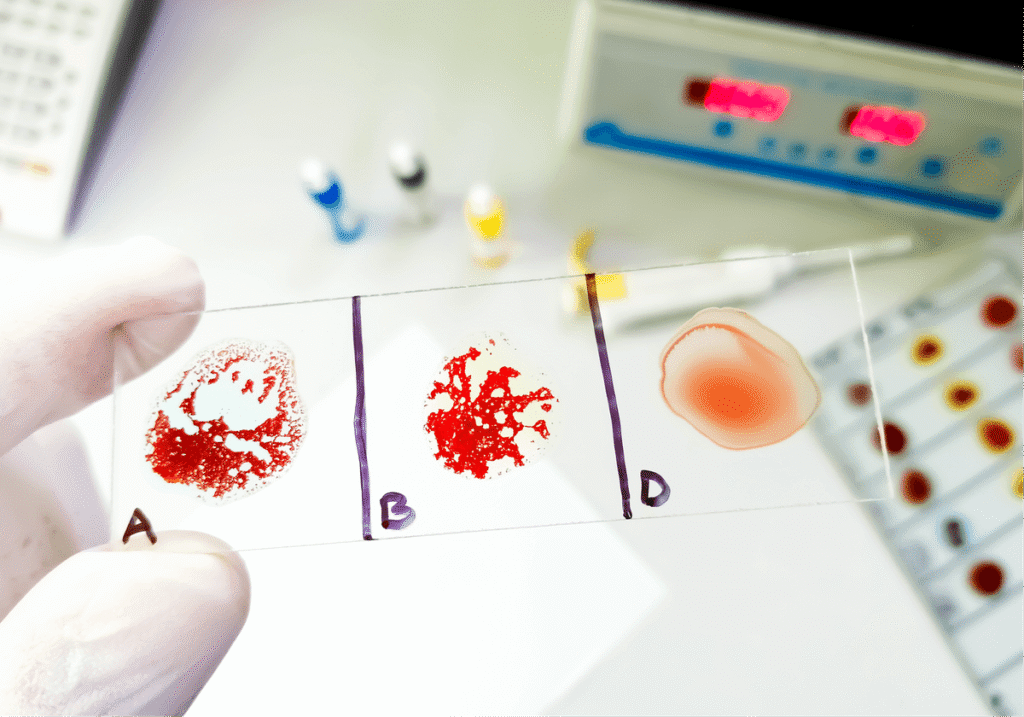
Your blood group (also called blood type) is determined by the presence or absence of specific proteins called antigens on the surface of your red blood cells. These antigens help your immune system identify which blood cells belong to your body and which are foreign.
Two main blood group systems matter most clinically:
The ABO System
This classifies blood into four main types based on which antigens are present:
| Blood Group | Antigens on Red Blood Cells | Antibodies in Plasma |
| A | A antigens | Anti-B antibodies |
| B | B antigens | Anti-A antibodies |
| AB | Both A and B antigens | Neither anti-A nor anti-B |
| O | Neither A nor B antigens | Both anti-A and anti-B |
The Rhesus (Rh) System
In addition to ABO grouping, your blood is also classified by the presence or absence of the Rhesus factor (Rh factor), a specific antigen called RhD.
- If RhD is present on your red blood cells, you are Rh positive (+)
- If it is absent, you are Rh negative (−)
Combined, this gives you your complete blood type – for example: A+, O−, AB+, B−, and so on. There are 8 common blood types in total: A+, A−, B+, B−, AB+, AB−, O+, O−.
Blood Group Distribution in Nigeria
Understanding how blood types are distributed helps explain why certain types are easier or harder to find donors for in emergencies.
In Nigeria, the approximate distribution is:
| Blood Group | Approximate Prevalence |
| O+ | ~50% – the most common |
| A+ | ~25% |
| B+ | ~15% |
| AB+ | ~5% |
| O− | ~3% |
| A−, B−, AB− | Rare – less than 2% combined |
O+ is the most common blood type in Nigeria, which is important for blood donation campaigns. O− is the rarest and also the universal donor for red blood cells, making O− donors exceptionally valuable in emergencies.
Why Knowing Your Blood Group Matters
1) Emergency Situations and Blood Transfusions
This is the most critical reason. If you are in a road accident, undergo emergency surgery, or experience severe bleeding during childbirth, you may need a blood transfusion urgently. Receiving the wrong blood type triggers a life-threatening immune reaction, your body attacks the transfused blood as foreign, causing haemolysis (destruction of red blood cells), kidney failure, shock, and death.
Knowing your blood group in advance means:
- Medical staff can source compatible blood faster
- You can communicate your type if you are conscious and in emergency care
- Your family can donate specifically for you if needed
In Nigerian public hospitals, blood supply shortages are common. Families are frequently asked to provide blood for donation before surgery. Knowing your blood type and the types of close family members can save precious time.
2) Pregnancy and Rhesus Incompatibility
This is one of the most important and least understood blood group issues in Nigeria.
Rhesus incompatibility occurs when a Rh-negative mother carries a Rh-positive baby (inherited from the father). During delivery or sometimes during pregnancy; small amounts of the baby’s Rh-positive blood can enter the mother’s bloodstream. Her immune system, seeing the RhD antigen as foreign, produces anti-RhD antibodies.
This is not a problem for the first pregnancy. But in subsequent pregnancies with an Rh-positive baby, those antibodies cross the placenta and attack the baby’s red blood cells, a condition called haemolytic disease of the newborn (HDN). This can cause:
- Severe anaemia in the baby
- Jaundice
- Brain damage
- Stillbirth in severe cases
Prevention: An injection called anti-D immunoglobulin (Rhogam), given to Rh-negative mothers during or after pregnancy, prevents the formation of antibodies. But this only happens if the mother’s Rh status is known. Many Nigerian women discover their Rh-negative status too late or not at all.
Every pregnant woman in Nigeria must know her blood group and Rh factor from her first antenatal visit.
3) Blood Donation
Nigeria has a chronic shortage of safe blood. The World Health Organization estimates that Nigeria needs about 1.8 million units of blood annually, but less than 500,000 units are collected. Most donations come from family replacement donors rather than voluntary donors – meaning people only donate when a family member is in crisis.
Knowing your blood group means:
- You know whether you are a universal donor (O−) or can donate to specific groups
- You can register as a voluntary blood donor, a genuinely life-saving act
- You can respond quickly when a family member or community member needs your specific type of help
4) Pre-Marital and Family Planning
When planning to have children, blood group compatibility, specifically Rh factor compatibility, matters. An Rh-negative woman whose partner is Rh-positive faces the incompatibility risk described above. Knowing this in advance allows couples to plan for appropriate medical care during pregnancy from the very beginning; not as a crisis response.
This is why blood group testing should be part of every pre-marital health screening, alongside genotype testing.
5) Medical Procedures and Surgery
Before any planned surgery, blood group testing is routine. But if you already know your blood group, your medical team can prepare compatible blood in advance, a critical advantage in settings where blood bank supplies are limited. It also allows you to pre-donate your own blood before elective surgery (autologous donation), eliminating transfusion complications.
What Is the Universal Donor and Universal Recipient?
Universal donor (red blood cells): O− O− red blood cells can be given to patients of any blood type in emergencies when there is no time to cross-match. This is why O− donors are the most urgently needed in blood banks.
Universal recipient: AB+ AB+ individuals can receive red blood cells from any blood type. They can also receive plasma from any type, making them the most flexible recipients.
Universal plasma donor: AB AB plasma can be given to patients of any blood type, making AB donors particularly valuable for plasma donation.
How Is Blood Group Testing Done?
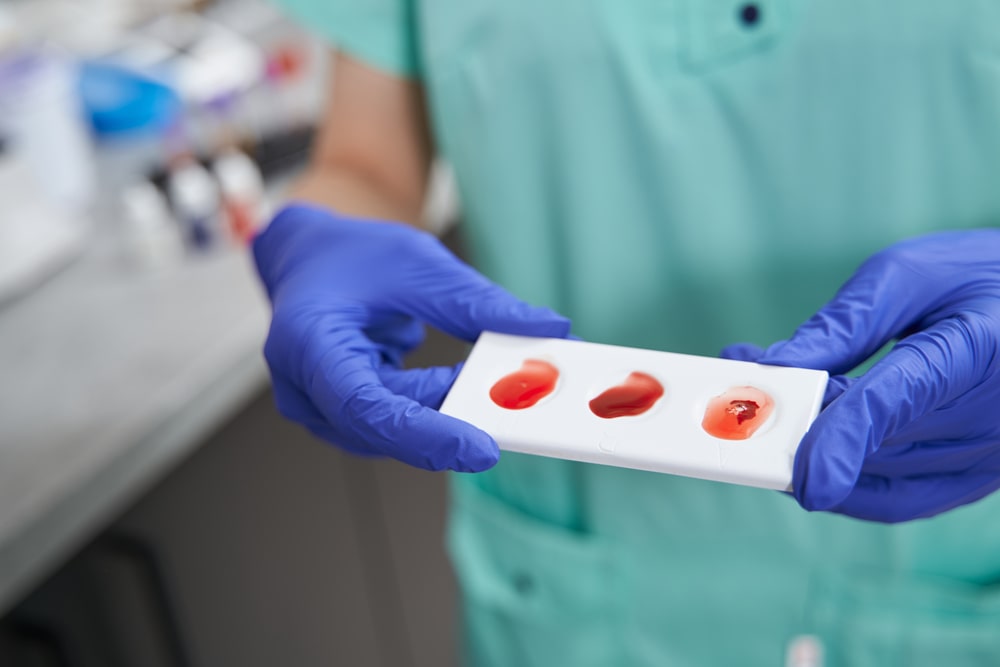
Blood group testing is a simple, quick, and affordable blood test. A small blood sample is taken either from a finger prick or a vein and tested against antibodies that react to specific antigens. Results are available within minutes.
- Test name: ABO and Rh blood grouping
- Time: Results in 10-15 minutes
- Cost: Very affordable at most diagnostic laboratories in Nigeria
- Accuracy: Extremely high at reputable labs
At Pretty Healthcare, blood group testing is available. You can walk in without an appointment.
Blood Group Myths – Debunked
“My blood group can change over time. Your genetics determine your blood group, and it does not change throughout your life. Rare exceptions occur in bone marrow transplant recipients, but this is a medical exception, not the norm.
“O blood group people are stronger or healthier.” False. Blood group does not determine general health, strength, or immunity as this myth suggests. Each blood type has its own considerations.
“Blood group determines personality.” This is a popular belief in some cultures and online communities, but there is no scientific evidence supporting it. Your blood type is a biological classification – nothing more.
“I had a test before – I don’t need to test again.” Generally true – blood group does not change. However, ensure you have a documented result from a reputable laboratory. Card tests done in informal settings may be unreliable. If you are not 100% certain of your result, retest at a quality diagnostic center.
What to Do With Your Blood Group Information
Once you know your blood group:
- Write it down and keep it accessible in your phone, wallet, or medical records
- Share it with immediate family members, especially spouse, parents, and adult children
- Include it in your emergency contact information
- Discuss it with your doctor, especially if you are pregnant, planning surgery, or have a condition that may require a transfusion.
- Register as a blood donor; contact the National Blood Transfusion Service (NBTS) or your nearest teaching hospital
Nigeria-Specific Context
- Blood shortages are a daily reality in Nigerian hospitals – voluntary blood donation saves lives.
- Rhesus incompatibility is underdiagnosed in Nigeria due to inadequate antenatal screening, contributing to preventable infant deaths.
- Many Nigerians discover their blood group only when they are already in a health crisis; testing in advance removes this risk entirely.
- The NBTS and various NGOs periodically organize free blood group screening and donation drives across Nigerian states.
Bottom Line
Your blood group is one of the most fundamental pieces of health information you can have, and one of the easiest to find out. A quick, affordable test tells you something that could one day save your life, protect your baby, or help you save someone else’s life through donation. In a country where blood shortages are common and emergency health situations can arise suddenly, knowing your blood group is not optional – it is responsible.
Get your blood group tested at Pretty Healthcare in Ikeja, Lagos: prettyhealthcare.com.ng/diagnostics or chat with our health advisor on WhatsApp. Monday – Friday: 8 am – 5 pm | Saturday: 9 am – 4 pm.