The liver is one of the hardest-working organs in the human body and one of the most silent when things go wrong. It performs over 500 functions daily: filtering toxins from the blood, producing bile for digestion, metabolising medications, storing energy, and manufacturing the proteins that allow blood to clot. Yet liver disease rarely announces itself until significant damage has already occurred.
In Nigeria, liver disease is a serious and growing public health problem. Hepatitis B, which infects an estimated 20 million Nigerians, is the leading cause of liver cirrhosis and liver cancer in the country. Add to this the burden of alcohol-related liver disease, fatty liver disease driven by poor diet, and widespread use of herbal concoctions that are directly toxic to the liver, and you have a country with an enormous hidden liver disease problem.
Most people who develop liver disease feel completely fine in the early stages. By the time symptoms become obvious, the liver may already be significantly damaged. This is why knowing the early warning signs and acting on them is genuinely life-saving.
How the Liver Gets Damaged
Liver damage typically progresses through stages:
1. Inflammation (Hepatitis): The liver becomes inflamed in response to infection, toxic substances, or immune attack. At this stage, damage is potentially reversible if the cause is removed.
2. Fibrosis: Repeated or ongoing inflammation causes scar tissue to replace healthy liver cells. The liver begins to lose function gradually. Still potentially reversible in early stages.
3. Cirrhosis: Extensive scarring replaces most healthy liver tissue. The liver shrinks and hardens. At advanced cirrhosis, damage is largely irreversible, and the risk of liver failure and liver cancer rises sharply.
4. Liver Failure / Liver Cancer: End-stage liver disease. The liver can no longer perform its essential functions. Liver cancer (hepatocellular carcinoma) is a common endpoint of untreated chronic hepatitis B and cirrhosis in Nigeria.
The tragedy is that this progression from inflammation to cirrhosis to cancer can take 20–30 years, during much of which the person feels essentially well. Early detection interrupts this progression.
The Most Common Causes of Liver Disease in Nigeria
Hepatitis B
The single most important cause of liver disease in Nigeria. An estimated 1 in 10 Nigerians carries chronic hepatitis B; most without knowing it. Chronic infection silently damages the liver over decades, leading to cirrhosis and liver cancer. Nigeria has one of the highest rates of hepatitis B-related liver cancer in the world.
Hepatitis C
Less common than hepatitis B in Nigeria, but significant. Spread primarily through blood-to-blood contact, shared needles, unscreened transfusions, and unsafe medical procedures. Unlike hepatitis B, hepatitis C is now curable with direct-acting antiviral medications.
Alcohol
Chronic heavy alcohol consumption is a leading cause of fatty liver, alcoholic hepatitis, and cirrhosis. Even moderate drinking causes cumulative liver damage over time.
Non-Alcoholic Fatty Liver Disease (NAFLD)
Increasingly common as Nigeria’s dietary patterns shift toward processed foods, refined carbohydrates, and sugary drinks. Excess fat accumulates in liver cells, causing inflammation and eventually fibrosis. Strongly linked to obesity, diabetes, and high cholesterol. Many Nigerians with NAFLD have no idea they have it.
Herbal Medicines and Concoctions
This is a critically underappreciated cause of liver damage in Nigeria. Many herbal preparations, agbo (traditional herbal mixtures), and unregulated supplements contain compounds that are directly toxic to liver cells (hepatotoxic). Cases of acute liver failure from herbal concoctions are regularly seen in Nigerian hospitals. Yet, the connection between the herbal remedy and liver damage is rarely made by the patient.
Medications
Certain medications, particularly when overused or combined, are toxic to the liver. Paracetamol (acetaminophen) in high doses is a leading cause of acute liver failure globally. Anti-tuberculosis drugs, some antifungals, and certain herbal supplements also carry hepatotoxic risk.
Autoimmune Liver Disease
The immune system attacks liver cells. Less common but important to diagnose, as it requires specific treatment.
Early Warning Signs of Liver Disease
Because the liver has an enormous reserve capacity, early-stage liver disease often produces vague, easily dismissed symptoms. Here is what to watch for:
1) Persistent Fatigue and Weakness
Not ordinary tiredness but a deep, persistent exhaustion that does not improve with rest. The liver plays a central role in energy metabolism; when it is impaired, energy production falters. This is often the very first symptom of liver disease, and because it is so non-specific, it is almost universally ignored or attributed to stress, malaria, or overwork.
2) Loss of Appetite and Unexplained Weight Loss
A persistently reduced appetite, particularly when accompanied by nausea or a feeling of fullness after small amounts of food, can indicate liver disease. Unexplained weight loss alongside digestive changes should always be investigated.
3) Nausea and Vomiting
The liver processes toxins and waste products. When it is not functioning properly, nausea, particularly in the morning or after eating, is common. Some people also experience vomiting without an obvious cause.
4) Discomfort or Pain in the Upper Right Abdomen
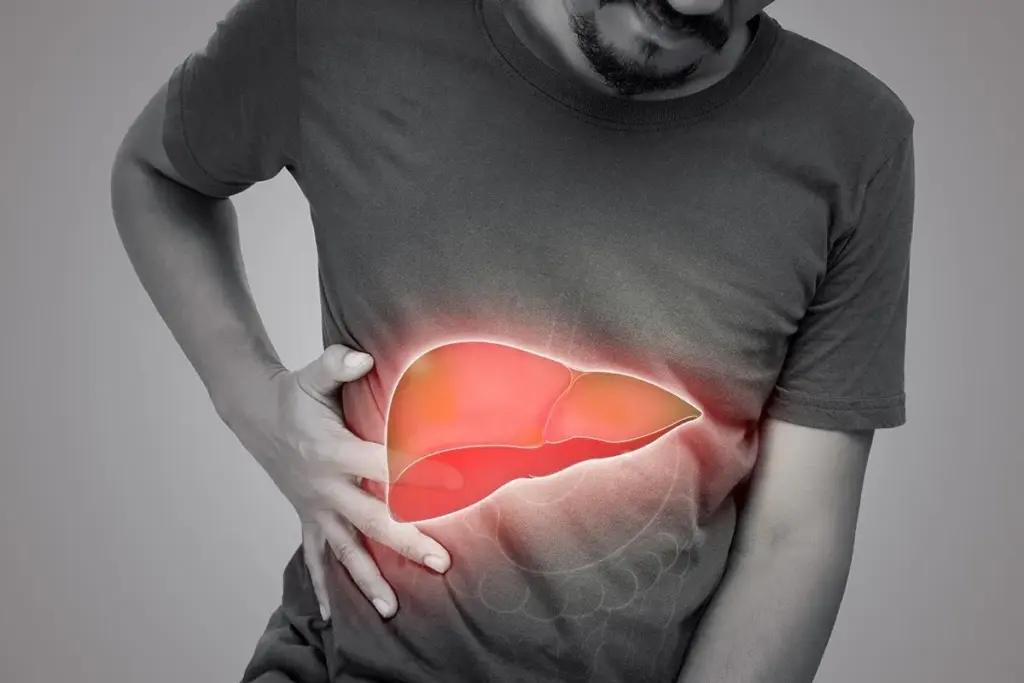
The liver sits in the upper right portion of the abdomen, beneath the ribs. An enlarged or inflamed liver may cause a dull ache, heaviness, or tenderness in this area. Many people mistake this for stomach pain or muscular discomfort and ignore it for months.
5) Yellowing of the Eyes or Skin (Jaundice)
One of the most recognisable signs of liver disease. Jaundice occurs when the liver cannot process bilirubin, a yellow waste product from the breakdown of red blood cells, fast enough. It accumulates in the blood and deposits in the skin and whites of the eyes, turning them yellow.
Jaundice is a significant warning sign that should always be investigated immediately. In Nigeria, jaundice is sometimes managed at home or attributed to spiritual causes. This delay can be life-threatening.
6) Dark Urine
Bilirubin that the liver cannot process is excreted in the urine, turning it dark brown or tea-coloured. Dark urine alongside yellowing of the eyes is a clear signal of liver dysfunction.
7) Pale or Clay-Coloured Stools
Bile produced by the liver gives stool its normal brown colour. When bile flow is blocked or the liver is failing, stools become pale, grey, or clay-coloured. This change, particularly alongside dark urine and jaundice, is a classic triad of liver or bile duct disease.
8) Swollen Abdomen (Ascites)
In advanced liver disease, fluid accumulates in the abdominal cavity, a condition called ascites. The abdomen becomes visibly swollen and may feel tight or uncomfortable. Ascites indicates significant liver disease and requires urgent medical evaluation.
9) Swelling in the Legs and Ankles
The liver produces albumin, a protein that keeps fluid inside blood vessels. When liver function declines, albumin levels fall and fluid leaks into surrounding tissues, causing swelling (oedema) in the legs, ankles, and feet.
10) Easy Bruising and Prolonged Bleeding
The liver produces clotting factor proteins essential for blood to clot after injury. Liver damage reduces clotting factor production, causing easy bruising, bleeding gums, prolonged bleeding from cuts, or frequent nosebleeds.
11) Itchy Skin (Pruritus)
Bile salts that accumulate under the skin when the liver is not functioning properly cause intense, persistent itching, often without a visible rash. This is a commonly missed early sign of liver or bile duct disease.
12) Confusion, Forgetfulness, or Personality Changes
In advanced liver disease, toxins that the liver normally filters, such as ammonia, particularly accumulate in the blood and affect brain function. This is called hepatic encephalopathy. It causes confusion, memory problems, poor concentration, mood changes, and, in severe cases, loss of consciousness. This is a serious, late-stage sign requiring emergency care.
High-Risk Groups in Nigeria Who Should Screen Regularly
You are at higher risk of liver disease and should be screened proactively if you:
- Have never been tested for Hepatitis B or C
- Were not vaccinated against Hepatitis B in childhood
- Have a family member with Hepatitis B, liver cirrhosis, or liver cancer
- Drink alcohol regularly or heavily
- Have diabetes, obesity, or high cholesterol (risk factors for fatty liver)
- Take herbal concoctions or agbo regularly
- Have had a blood transfusion, especially before modern blood screening was widespread
- Work in healthcare and have had needle-stick exposure
- Have HIV – HIV and Hepatitis B/C co-infection is common and accelerates liver damage
How Liver Disease Is Diagnosed
Liver Function Tests (LFTs)
A blood panel that measures liver enzymes (ALT, AST, ALP, GGT), proteins (albumin, total protein), and bilirubin. Elevated liver enzymes signal liver cell damage or inflammation. This is the most accessible first-line test and is widely available in Nigeria.
Hepatitis B and C Serology
Blood tests that detect hepatitis B surface antigen (HBsAg) and hepatitis C antibodies. Essential for anyone who has not been tested, regardless of symptoms.
Liver Ultrasound
An imaging test that assesses liver size, texture, and structure. Detects fatty liver, cirrhosis, liver masses, and abnormalities of the bile ducts. Non-invasive and widely available.
FibroScan (Transient Elastography)
A specialised ultrasound that measures liver stiffness, a proxy for the degree of fibrosis (scarring). Allows assessment of liver damage without a biopsy. Available in selected centres in Nigeria.
Liver Biopsy
A small tissue sample taken from the liver for examination under a microscope. The most definitive way to assess the degree and type of liver damage. Used when non-invasive tests are inconclusive.
Alpha-Fetoprotein (AFP)
A tumour marker in the blood. Elevated levels can indicate liver cancer. Used alongside ultrasound for liver cancer surveillance in high-risk individuals (those with cirrhosis or chronic hepatitis B).
At Pretty Healthcare, liver function tests, hepatitis B and C testing, and abdominal ultrasound are available. If you have never been screened for hepatitis B, today is the day to start.
Treatment and Management
Treatment depends entirely on the cause and stage of liver disease:
Hepatitis B: No cure, but antiviral medications (tenofovir, entecavir) suppress the virus and prevent progression to cirrhosis and cancer. Regular monitoring is essential. Vaccination prevents infection entirely if you are negative for hepatitis B; get vaccinated.
Hepatitis C: Now curable in most cases with a short course of direct-acting antiviral medications (8-12 weeks). Testing is the critical first step.
Fatty Liver Disease (NAFLD): No specific medication yet approved treatment is lifestyle change. Weight loss of 7-10% of body weight significantly reduces liver fat. Reducing refined carbohydrates, sugary drinks, and processed foods, combined with regular exercise, is the most effective intervention.
Alcohol-related liver disease: Stopping alcohol is the single most important step. Early-stage damage can be reversed. Cirrhosis cannot be reversed, but progression can be slowed.
Herbal toxicity: Stop the offending substance immediately. Supportive care allows the liver to recover in many cases if caught before irreversible damage occurs.
Cirrhosis: Management focuses on preventing complications, monitoring for liver cancer, and, in end-stage disease, liver transplantation.
What You Can Do Right Now
- Get tested for Hepatitis B if you do not know your status. Find out today
- Get vaccinated for Hepatitis B if you test negative and are unvaccinated
- Stop or significantly reduce alcohol consumption
- Use medications, including paracetamol, at the correct doses only
- Be cautious with herbal concoctions if you use them regularly. Tell your doctor and get your liver enzymes checked
- Maintain a healthy weight, reduce refined carbohydrates, and sugary drinks
- Exercise regularly – 30 minutes of moderate activity 5 days a week reduces fatty liver risk significantly
- Report persistent fatigue, right-sided abdominal discomfort, or any yellowing to a clinician promptly
Quick Summary
| Leading cause in Nigeria | Hepatitis B |
| Other major causes | Hepatitis C, alcohol, fatty liver, and herbal toxicity |
| Earliest symptoms | Fatigue, loss of appetite, right-sided discomfort |
| Serious warning signs | Jaundice, dark urine, swollen abdomen |
| Emergency signs | Vomiting blood, confusion, and collapse |
| Key screening tests | Liver function tests, Hepatitis B/C serology, and ultrasound |
| Most important action | Test for Hepatitis B today if you have never had |
Bottom Line
Liver disease is common, largely silent in its early stages, and frequently advanced by the time Nigerians seek care. The good news is that the most common cause of Hepatitis B is preventable with a vaccine and manageable with medication when detected. Fatty liver disease is reversible with lifestyle changes. Hepatitis C is now curable. The barrier is almost always awareness and testing. Know your hepatitis status. Know your liver enzyme levels. Do not wait for jaundice to tell you something is wrong; by then, the disease has already progressed much further than it needed to.
Book a liver function test or Hepatitis B screening at Pretty Healthcare, Ikeja, Lagos – prettyhealthcare.com.ng/diagnostics or chat with our health advisor on WhatsApp. Monday – Friday: 8 am – 5 pm | Saturday: 9 am – 4 pm.