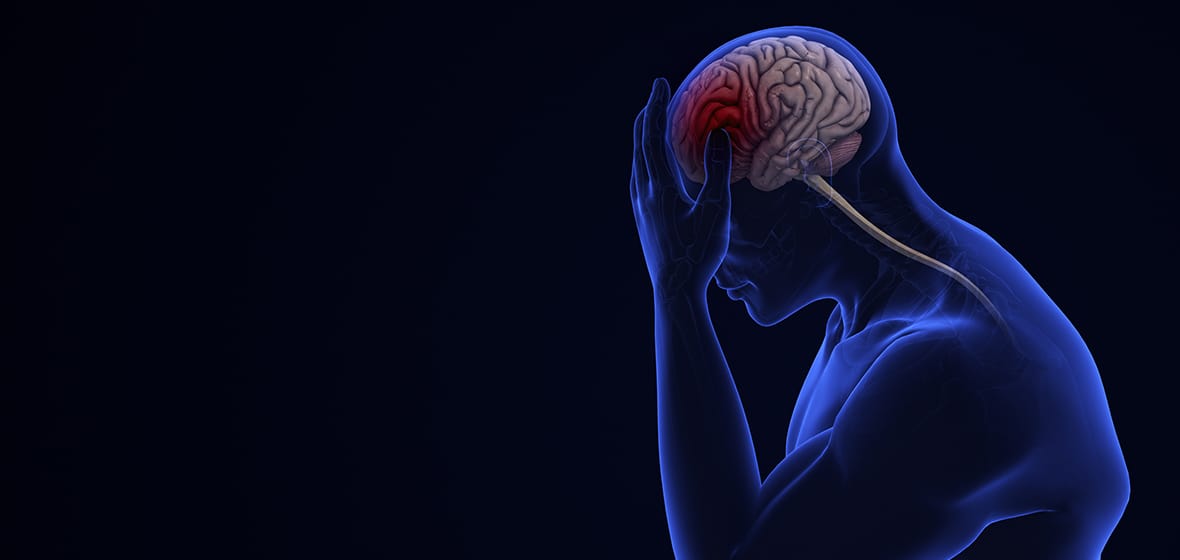
Every two seconds, someone in the world has a stroke. In Nigeria, stroke is one of the leading causes of death and the single most common cause of adult disability. Yet when a stroke happens in a home, at a market, in a church, at work, the people around the patient often do not recognise what is happening. Time is wasted. The window for life-saving treatment closes. And a person who could have walked out of the hospital instead leaves with permanent paralysis, loss of speech, or does not leave at all.
This article could save a life, possibly yours, possibly someone you love. Read it. Share it. Make sure the people around you know these signs.
What Is a Stroke?
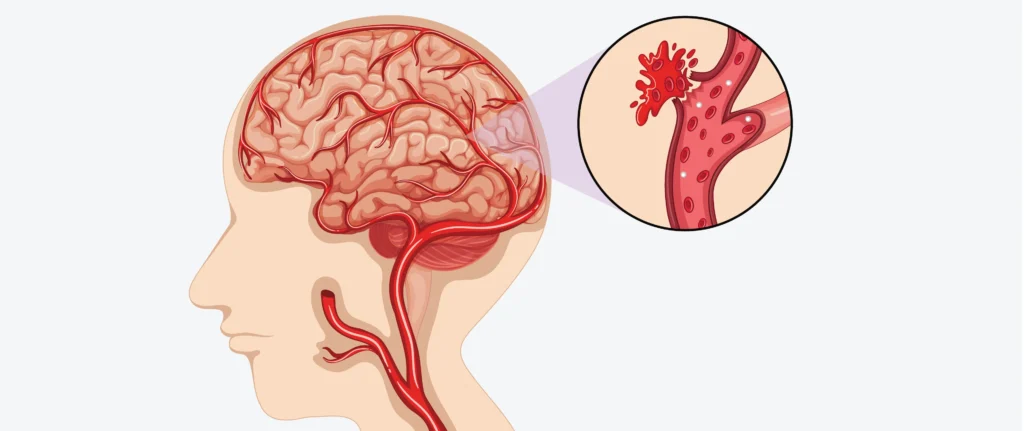
A stroke occurs when the blood supply to part of the brain is suddenly cut off, depriving brain cells of oxygen. Brain cells begin to die within minutes. The faster blood flow is restored, the more brain tissue can be saved and the better the outcome.
There are two main types:
Ischaemic stroke (about 85% of strokes): A blood clot blocks an artery supplying the brain. This is the most common type and is treatable with clot-dissolving medication, but only within a narrow time window of 4.5 hours from symptom onset.
Haemorrhagic stroke (about 15% of strokes): A blood vessel in or around the brain ruptures, causing bleeding into the brain tissue. Often more severe. Linked strongly to uncontrolled high blood pressure.
TIA – The Warning Stroke
A Transient Ischaemic Attack (TIA), often called a mini-stroke, produces the same symptoms as a stroke but resolves completely within minutes to hours, leaving no permanent damage. A TIA is a medical emergency and a critical warning sign. Up to 10–15% of people who have a TIA will have a full stroke within 3 months, many within 48 hours. A TIA must be treated as an emergency, not dismissed because the symptoms passed.
The FAST Test: Recognise a Stroke in Seconds
The internationally recognised FAST acronym is the fastest way to identify a stroke:
F – Face drooping
Ask the person to smile. Does one side of the face droop or appear uneven? Is the mouth pulled to one side?
A – Arm weakness
Ask the person to raise both arms. Does one arm drift downward or feel weak? Can they raise both arms equally?
S – Speech difficulty
Ask the person to repeat a simple sentence: “The sky is blue.” Is their speech slurred, garbled, or strange? Are they unable to speak or unable to understand what you are saying?
T – Time to call for help
If you observe ANY of these signs, even if they seem to resolve, get the person to a hospital immediately. Do not wait. Do not give them food, water, or medication. Time is brain.
All the Warning Signs of a Stroke
Beyond the FAST signs, a stroke can present with any of the following, often suddenly, without warning:
Sudden Numbness or Weakness
On one side of the body, face, arm, or leg. The person may drop things suddenly, drag one foot, or feel that one side of their body has “gone to sleep” and will not wake up.
Sudden Confusion
Abrupt confusion, disorientation, or inability to understand what people are saying. The person may look bewildered, not respond normally to questions, or seem suddenly “not themselves.”
Sudden Trouble Speaking or Understanding Speech
Speech may become slurred (dysarthria), and words sound garbled or thick-tongued. Or the person may lose the ability to produce language at all (aphasia); they know what they want to say but cannot get the words out, or they speak in jumbled, nonsensical sentences.
Sudden Vision Problems
Sudden blurred vision, double vision, loss of vision in one or both eyes, or a curtain-like loss of vision in one visual field. The person may cover one eye, squint suddenly, or complain that they cannot see clearly.
Sudden Severe Headache
A headache described as “the worst headache of my life” – sudden in onset, severe in intensity, unlike any previous headache. This is the classic presentation of a subarachnoid haemorrhage (bleeding around the brain). Do not give painkillers and wait; go to a hospital immediately.
Sudden Loss of Balance or Coordination
Unexplained dizziness, loss of balance, unsteady walking, or sudden inability to coordinate movements. The person may stagger, fall, or be unable to stand.
Sudden Difficulty Swallowing
Difficulty swallowing – drooling, choking, or food or liquid going down the wrong way can be an early stroke sign, particularly in strokes affecting the brainstem.
What to Do When You Recognise a Stroke
Act immediately; every minute matters. Brain cells die at a rate of approximately 1.9 million per minute during a stroke. The difference between acting in 30 minutes versus 3 hours can mean the difference between full recovery and permanent disability.
Do:
- Note the exact time symptoms started; this is critical information for the medical team.
- Get the person to the nearest hospital with a stroke or emergency unit as fast as possible.
- Keep the person calm and still.
- If they are unconscious and breathing, place them in the recovery position (on their side).
- Stay with them.
Do NOT:
- Give food, water, or any medication; a stroke patient may have swallowing difficulties and can choke.
- Wait to see if symptoms improve on their own, even if symptoms resolve, go to the hospital.
- Assume it is malaria, exhaustion, or a spiritual attack and delay hospital.
- Drive recklessly in panic; call ahead to the hospital if possible, so they can prepare.
Who Is at Risk of Stroke in Nigeria?
High Blood Pressure (Hypertension) – The #1 Risk Factor
Uncontrolled hypertension is the single biggest risk factor for stroke in Nigeria. It is responsible for the majority of strokes seen in Nigerian hospitals. The tragedy is that hypertension is silent, and most people do not know their blood pressure is dangerously high until a stroke occurs. Checking your blood pressure regularly is stroke prevention.
Diabetes
Diabetes damages blood vessels and significantly increases stroke risk. Poorly controlled blood sugar accelerates vascular disease throughout the body, including in the brain.
Heart Disease
Atrial fibrillation (irregular heartbeat) is a major stroke risk factor; it causes blood clots to form in the heart that can travel to the brain. Other heart conditions, including heart failure and heart valve disease, also increase stroke risk.
High Cholesterol
Excess cholesterol builds up in artery walls, narrowing them and making clots more likely.
Smoking
Smoking damages blood vessels, accelerates atherosclerosis (artery hardening), and doubles the risk of ischaemic stroke.
Obesity
Excess weight raises blood pressure, blood sugar, and cholesterol, all independent stroke risk factors.
Excessive Alcohol Consumption
Heavy drinking raises blood pressure and increases the risk of haemorrhagic stroke.
Age
Stroke risk increases significantly with age, but in Nigeria, strokes are occurring in increasingly younger people, often in their 40s and 50s, largely due to uncontrolled hypertension and diabetes.
Family History
A parent or sibling who has had a stroke increases your risk. Some inherited conditions affecting blood clotting or blood vessel structure also raise stroke risk.
Previous Stroke or TIA
Having had a stroke or TIA dramatically increases the risk of another. This is why post-stroke care and secondary prevention (medication, lifestyle change) are so important.
Stroke Prevention: What You Can Do
Up to 80% of strokes are preventable through the management of risk factors. The most important steps:
1. Know and control your blood pressure
Check your blood pressure regularly. If it is elevated, work with your doctor to bring it down through lifestyle changes, medication, or both. This single action prevents more strokes than anything else.
2. Manage diabetes
If you have diabetes or prediabetes, controlling your blood sugar protects your blood vessels and significantly reduces stroke risk.
3. Know your cholesterol levels
Get a lipid profile test. High LDL cholesterol should be managed with diet, exercise, and medication if needed.
4. Exercise regularly
30 minutes of moderate activity (brisk walking, swimming, cycling) 5 days a week reduces blood pressure, blood sugar, and weight; all stroke risk factors.
5. Eat a heart-healthy diet
Reduce salt, refined carbohydrates, fried foods, and processed meats. Increase vegetables, fruits, whole grains, fish, and legumes. The foods in our blood sugar article benefit stroke prevention, too.
6. Stop smoking
If you smoke, stopping reduces stroke risk rapidly within 2 years of quitting, risk drops significantly.
7. Limit alcohol
Reduce or eliminate alcohol consumption.
8. Take prescribed medications
If you are already on blood pressure, diabetes, or anticoagulant medication, take it consistently. Stopping medication, even temporarily, is a major trigger for stroke in Nigeria.
9. Treat atrial fibrillation
If you have been diagnosed with an irregular heartbeat, ensure it is properly managed. Anticoagulant medication reduces stroke risk in atrial fibrillation dramatically.
Stroke Treatment: Why Time Is Everything
The clot-dissolving medication tPA (tissue plasminogen activator) can reverse an ischaemic stroke but only if given within 4.5 hours of symptom onset. Many Nigerian patients arrive at the hospital 12, 24, or 48 hours after symptoms begin, far outside this window.
In Nigeria, barriers to timely stroke care include:
- Failure to recognise stroke symptoms
- Attributing symptoms to malaria, exhaustion, or spiritual causes
- Attempting home treatment or visiting a traditional healer first
- Transport challenges in reaching a hospital quickly
- Limited availability of stroke units and CT scanners outside major cities
Knowing the signs and acting immediately is the single most powerful thing you can do to improve stroke outcomes for yourself or someone around you.
Recovery After Stroke
Stroke recovery varies widely depending on the severity and location of the stroke and how quickly treatment was received. Many stroke survivors require:
- Physiotherapy – to regain movement and strength on the affected side.
- Speech therapy – for language and swallowing difficulties.
- Occupational therapy – to relearn daily activities.
- Psychological support – depression affects up to 30% of stroke survivors.
- Long-term medication – to prevent a second stroke.
Recovery can continue for months to years. Early and intensive rehabilitation gives the best outcomes. Family support is critical in Nigeria, where formal rehabilitation services are limited, and families often carry the primary burden of post-stroke care.
Quick Reference: FAST + More
| Sign | What to Look For |
| Face | One side drooping, uneven smile |
| Arms | One arm weak or drifting down |
| Speech | Slurred, garbled, or absent |
| Time | Act immediately; call for help now |
| Also watch for | Sudden severe headache, vision loss, balance loss, confusion, numbness |
Bottom Line
A stroke can happen to anyone, but it does not have to end in death or permanent disability. Recognising the signs and acting within minutes dramatically changes outcomes. In Nigeria, where uncontrolled hypertension silently raises stroke risk in millions of people, prevention and awareness together are the most powerful tools we have. Know the FAST signs. Check your blood pressure. Manage your risk factors. And if you ever see someone show these signs, act immediately. Every minute counts.
Check your blood pressure and stroke risk factors at Pretty Healthcare, Ikeja, Lagos – prettyhealthcare.com.ng/diagnostics or chat with our health advisor on WhatsApp. Monday – Friday: 8am – 5pm | Saturday: 9am – 4pm.